
For Angel Xiao, a Chinese operations strategist who lives in Mexico City’s Nuevo Polanco neighborhood, it’s easy to satisfy her cravings for food that reminds her of home.
That’s because authentic Chinese food options in Nuevo Polanco, an upper-class cluster of corporate buildings, high-rise apartments, and luxury stores, are everywhere. She can grab a bowl of biang biang noodles — thick, hand-pulled noodles in a spicy, garlicky sauce — at Shaanxi Sabor, a two-floor noodle shop nearby. Or a bowl of Lanzhou beef noodle soup at Yiwan Ramen. If she’d rather cook, she walks over to the Nueva Era Chinese Supermarket to pick up corkscrew chili, oyster sauce, and fermented red bean paste to make her signature dish: Hunan-style pork belly stir fry.
Genuine Chinese supermarkets and restaurants weren’t always available to residents in Nuevo Planco and nearby neighborhoods. The abundance of Chinese food and commerce options has arrived hand in hand with big Chinese tech corporate offices in the last decade. Between 2020 and 2024, China’s direct investment in Mexico jumped from $85 million to $710 million. Huawei opened its office in Nuevo Polanco in 2017. TikTok’s offices are located here, as are those of other Chinese tech companies including Oppo, BYDBYDBYD Auto is a Chinese carmaker that became the world’s leading EV manufacturer in 2023, competing with Tesla for market share and global attention.READ MORE, SheinSheinFounded in China in 2008 and headquartered in Singapore, Shein is a fast fashion brand that grew rapidly through exposure on social media.READ MORE, XiaomiXiaomiXiaomi is a Chinese consumer electronics company that leads the country in smartphone manufacturing and sales.READ MORE, and Alibaba Cloud’s local partner Contpaqi. Xiao, who now works at TikTok, previously worked at Huawei’s Nuevo Polanco office.
Although most of the workers in these offices are locals — Mexican federal labor laws require 90% of employees to be Mexican — there’s also been a clear growth in the Chinese population. Between 2020 and 2024, the number of temporary resident cards granted to Chinese nationals in Miguel Hidalgo, the borough where Nuevo Polanco is located, increased by 623%, according to data from the country’s National Migration Institute. People from China now make up the fourth largest immigrant group with temporary or permanent status in Mexico after Americans, Colombians, and Hondurans.
Nuevo Polanco has been a preferred destination for Chinese tech workers since as early as 2017, when Chinese telecom giant Huawei set up shop in Plaza Carso, the neighborhood’s landmark galleria. Owned by Mexican telecom tycoon Carlos Slim, Carso is a massive complex that includes a shopping mall, residential buildings, and office floors. Telcel and América Móvil, Mexico’s largest telecom companies and Huawei’s main customers in Latin America, are headquartered here.
When Chinese consumer electronics companies Oppo and Xiaomi entered the Mexican market in the late 2010s and early 2020s, respectively, they also opened offices in Carso. The companies brought with them Chinese employees.
“Most Chinese companies like to appoint their own CEOs and CFOs and fly them in. These expats move into Mexico for two or three years, but they’re later substituted by another expat,” Alonso Coronado, general manager of Shaoyao Consulting, a consultancy firm for Chinese companies in Mexico, told Rest of World.
-

-

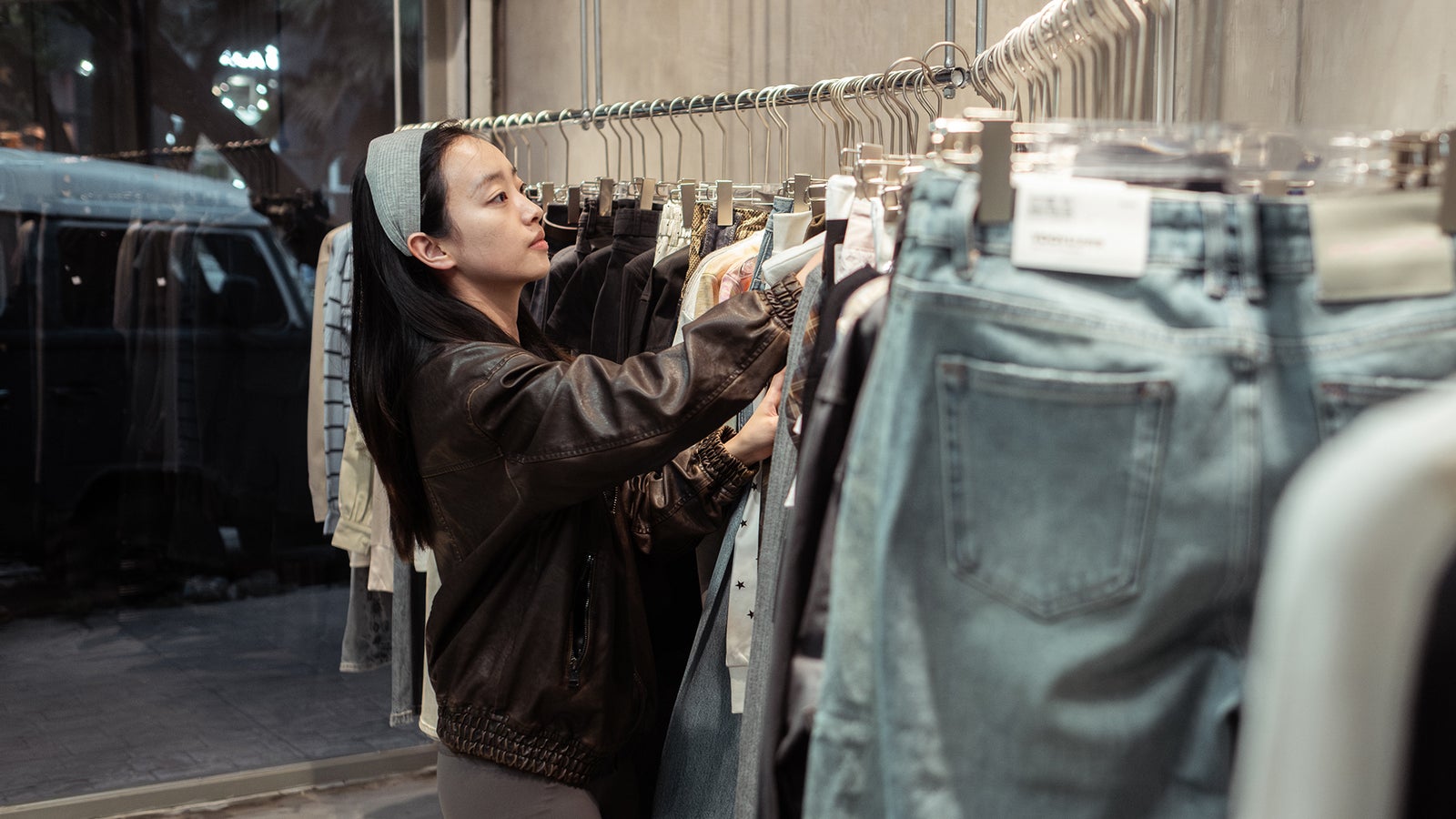
Billboards for major Chinese brands such as Shein dot Nuevo Polanco. Chinese immigrants have opened a variety of businesses. -
Alejandra Rajal for Rest of World
Lower-ranking workers, like engineers and data analysts, also come from China for a couple of years, and tend to live together in the same building or apartment, said Coronado. “They find it more convenient because they cook and share meals together and find support in each other.”
Chinese companies have expanded substantially in Mexico and across Latin America in recent years. Although Huawei was banned from the U.S. market in 2019, it’s a best-selling brand in countries including Peru and Colombia.
BYD and Shein, also headquartered in Nuevo Polanco, are immensely popular in Mexico. Although BYD only entered the Mexican market in 2023, the company claims it has already sold 80,000 cars in the country since then. That would be more cars than established brands like Volvo and BMW, according to Mexico’s National Institute of Statistics and Geography. Shein has been among the top three most-downloaded apps in the country since 2021. The brand has an almost cult-like following in Mexico, prompting the rise of brick-and-mortar resellers across the country.
-

-
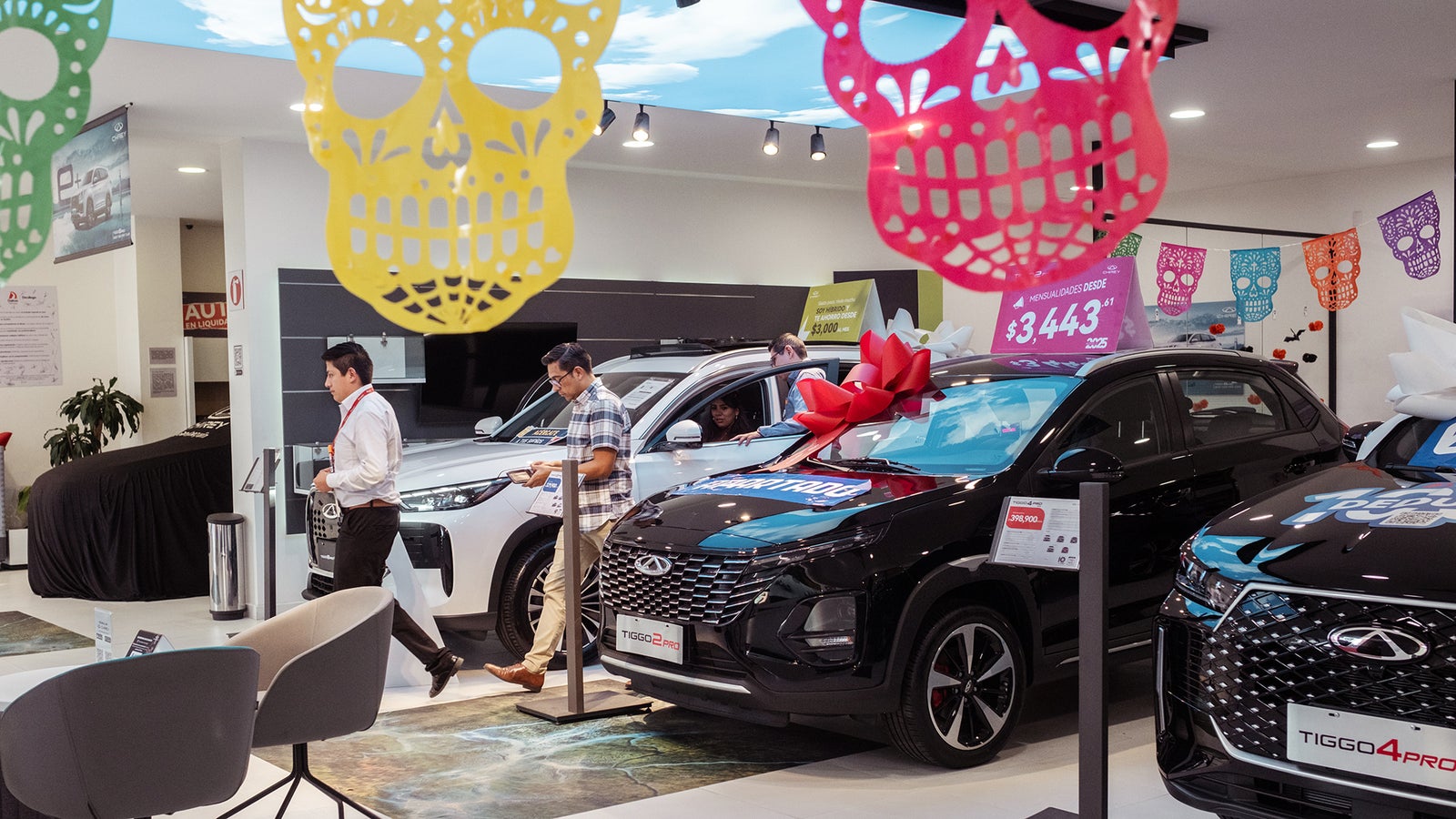
Geely and Chirey, two major Chinese carmakers, have opened showrooms in Polanco.
Alejandra Rajal for Rest of World
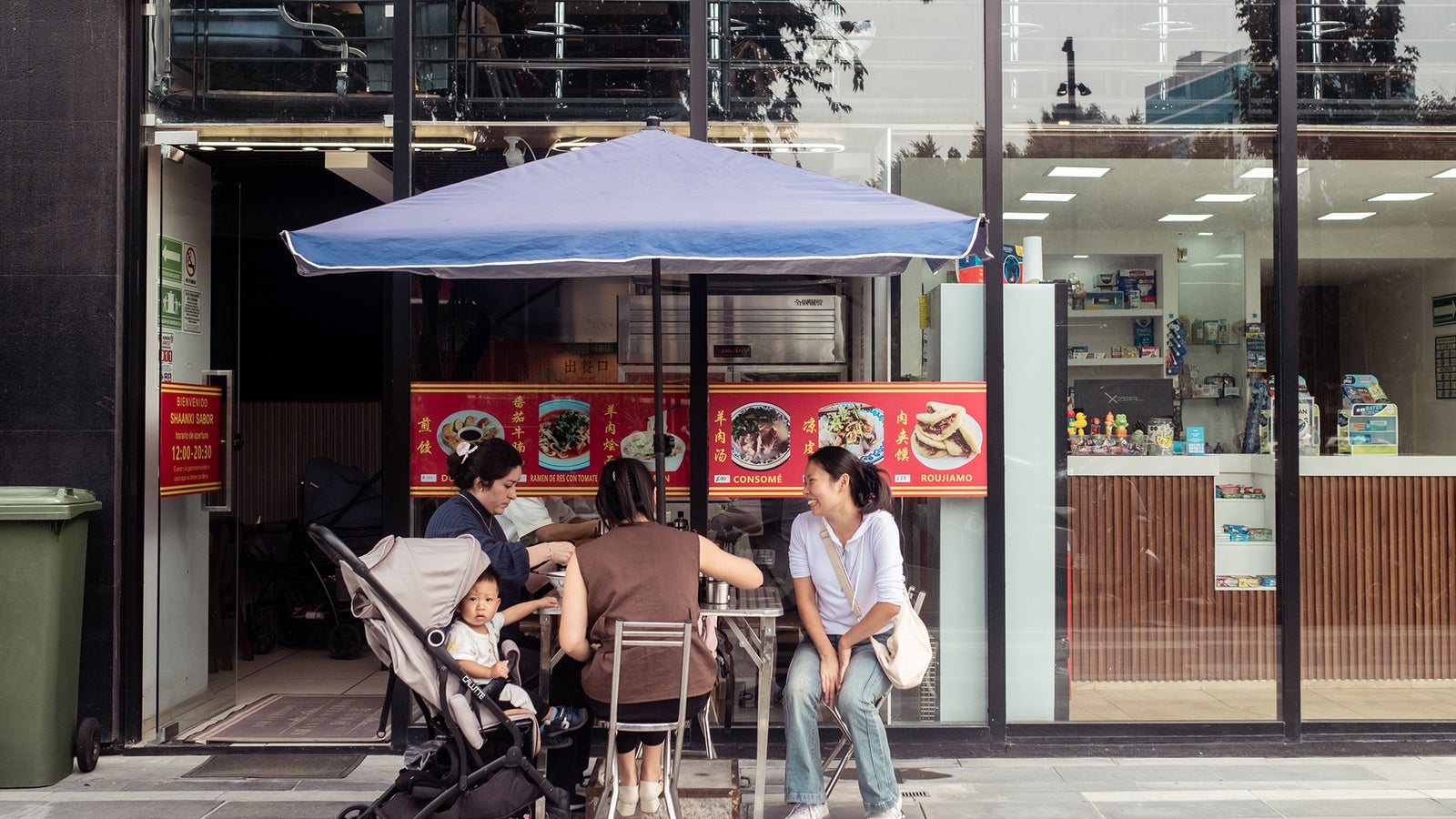
The Chinese tech workers, in turn, are attracting Chinese food workers and store owners to serve them. Mu Lan, a Cantonese restaurant that opened earlier this year, is walking distance from Carso. On Saturday mornings, Chinese workers hang freshly cooked Peking ducks behind a large window for passersby to see.
One block away from Mu Lan, Buenos Vecinos, or Good Neighbors, attracts Chinese workers with Sichuan dishes like Yuxiang shredded pork and kung pao chicken. The store is run by a husband-wife team who moved from Beijing to Mexico City two decades ago, and their two Mexican employees.
Chinese immigrants have been in Mexico City for decades, concentrated downtown or in other neighborhoods like Viaducto Piedad. The new wave of arrivals has prompted a renewed interest among locals. Daniel Wehbe, a Mexican worker at a Chinese device company in Nuevo Polanco, recently found a restaurant that serves malatang — a Sichuan dish of soup with vegetables, noodles, and meat. “It’s a healthier lunch alternative than what we find nearby,” he told Rest of World. Sometimes he brings colleagues to try the food.
Alejandra Rajal for Rest of World
Chinese companies’ growing presence in Mexico comes at a time of economic tension between the two countries. In January, Mexico raised import taxes twice on fast fashion products from China, and proposed a 50% tariff on cars from the country. Last year, BYD paused its plans to build a factory in Mexico due to geopolitical tension between China and the U.S.
Despite that, Chinese companies continue to grow their footprint in the country. TikTok has tens of job openings for its TikTok Shop division in Mexico, which launched earlier this year. Chinese manufacturers hold about 35% of the local smartphone market — a significant growth from the 0.6% they had six years ago. And this past March, Huawei launched a new flagship store in Carso. Chinese workers, and their appetites, are certain to follow.