
One morning in October, Luciano Galfione walked through his family’s textile factory in Buenos Aires, a cavernous warehouse where some of the more than 100 employees spin, knit, and dye synthetic fabrics for sportswear. Once a symbol of Argentina’s thriving industrial base, the factory now operates at a fraction of its capacity.
“We grew for decades and invested in world-class machinery,” Galfione told Rest of World. “Today those plants are museums, with six of every 10 machines sitting idle.”
One of the main reasons for the factory’s slowdown is the rise of Chinese online marketplaces like SheinSheinFounded in China in 2008 and headquartered in Singapore, Shein is a fast fashion brand that grew rapidly through exposure on social media.READ MORE and Temu, whose flood of ultracheap clothing has upended Latin American retail.
We’re not afraid to compete — but it has to be on equal terms.”
In response, Argentina has joined the growing global backlash against ultrafast fashion and legislative efforts to contain it. The country’s textile industry is pushing for an “anti-Shein” bill that would impose import controls and apply a flat 30% customs duty levy on e-commerce parcels to shield local manufacturers from cheap Chinese imports — a push that has gained cross-party support. Textile trade groups in Brazil and Mexico are coordinating similar efforts as part of a wider regional response.
“We’re not afraid to compete — but it has to be on equal terms,” said Galfione, who is also the president of the ProTejer trade association. “When I sell a T-shirt online from my factory, I pay every tax imaginable. Shein sells the same way and pays none.”
The rise of Asian ultrafast fashion powerhouses has been meteoric. Between late 2022 and late 2023, Shein launched 1.5 million new products, compared to about 40,000 from Zara and 23,000 from H&M. In the first half of 2025, Temu’s monthly active users in Latin America soared 143% from the previous year to 105 million, according to market intelligence firm Sensor Tower.
Countries around the world are pushing back in an effort to protect their own textile industries. In October, the French Senate passed a bill that will sanction Asian fast fashion companies by scoring their environmental impact. Last year, Indonesia lowered the threshold below which goods are exempt from import duties from $100 to $3, while South Africa began taxing small parcels under $27. In August, the U.S. scrapped its $800 duty-free exemption, meaning even the smallest imports now face tariffs.
Governments across Latin America are also moving to shield domestic industries, which are highly labor-intensive and especially vulnerable to foreign competition. Mexico recently raised tariffs on small packages from China to 33.5%, while Chile is moving toward applying a 19% value-added tax on low-cost imports. Ecuador began implementing a $20 fee on small packages in June.
The Chinese phenomenon is devastating. Today, people are buying through platforms … and this is lethal for Argentina.”
In Argentina, where textile output has plunged more than 20% in the past year as cheap imports surged, industry leaders are pushing for Shein and Temu imports to undergo inspections verifying that fabrics are non-toxic and environmentally safe. Under the proposed bill, the garments would be subject to standard import duties and taxes. The proposal mirrors France’s new ultrafast fashion law, which adds a progressive “eco tax” and requires labels to disclose key environmental information. Shein, for its part, denies qualifying as fast fashion.
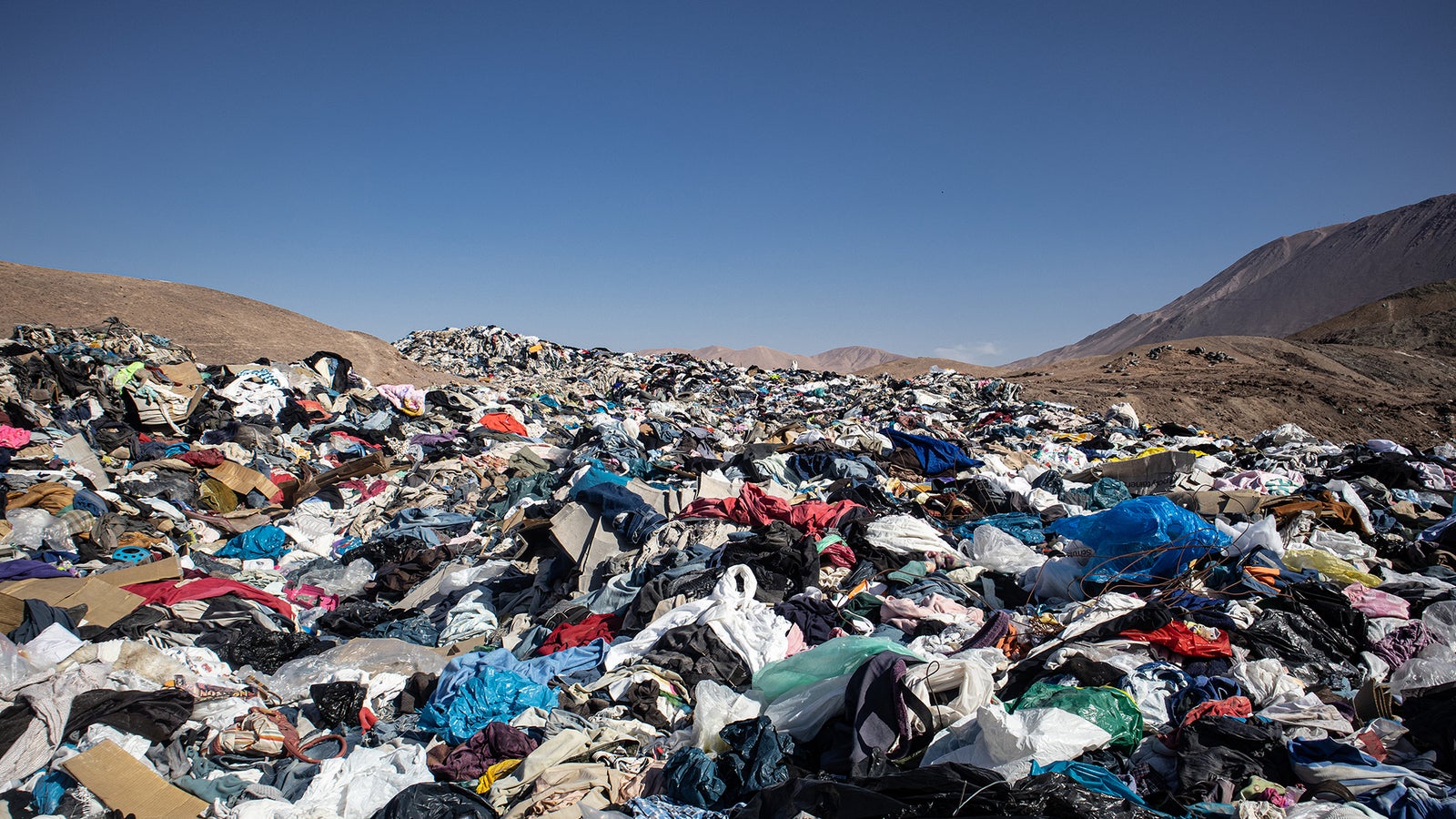
Antonio Cossio/Getty Images
“We have to put a stop to these policies of indiscriminate openness that will destroy national industry and leave thousands of Argentines unemployed,” Miguel Ángel Pichetto, an Argentine senator who introduced the so-called anti-Shein law to Congress in December, wrote on social media in August. “The Chinese phenomenon is devastating. Today, people are buying through platforms … and this is lethal for Argentina.”
Until recently, Shein wasn’t even an option in Argentina. The country’s textile and apparel industry — alongside footwear and automobiles — was for decades shielded by tariffs of up to 35% and complex import rules, a policy intended to protect nearly 300,000 local jobs. But these measures also kept prices among the highest in the world, and more than 35% above the Latin American average.
That changed in 2024, when President Javier Milei rolled back restrictions, cut tariffs to 20%, scrapped licenses, and raised the duty-free limit for door-to-door imports to $400 per package, from $50. The move unleashed a flood of online deliveries — dazzling consumers who had long been resigned to exorbitant prices, but enraging local textile makers who say the playing field is now anything but level.
“Opening the economy cannot mean making it precarious,” a press release from Argentina’s Apparel Chamber said in August.
There are also other concerns. Studies show that many garments from ultrafast fashion brands like Shein are worn only a handful of times before being discarded. Investigations have revealed grueling labor conditions in supplier factories and risks of significant environmental damage tied to ultracheap production.
Shein has disputed claims of labor and environmental abuses, arguing that the reports often rely on “small and unrepresentative samples,” which “do not convey the reality of Shein as an organization.” It has said its regular supplier audits showed “consistent improvement” in compliance, and claimed that factory workers at its Chinese suppliers earn on average more than twice the local minimum wage. When the French Senate advanced its fast-fashion legislation, Shein countered that it is “not a fast-fashion company” but a technology-driven retailer that is “part of the solution.”
The push for an anti-Shein law in Argentina highlights a divide: While it resonates with factory owners and unions, it is deeply unpopular among consumers who are able to access cheap clothing after years of high prices. The anti-Shein proposal has drawn backlash from Argentines who see it as an attempt to take away their affordable options.
At a small clothing shop in central Buenos Aires that resells Shein items, women recently crowded around a bucket overflowing with Shein clothes, tearing open clear plastic bags stamped with the brand’s logo, and jostling to grab dresses and tops. Few bothered to try them on, delighting in the bargains as they left the shop.
“Our target is people with tighter budgets who can’t spend more than 100,000 pesos [$70] on an outfit,” Camila Di Cesare, who runs the Moda Sustentable store, told Rest of World. “The prices are extremely affordable — there’s no comparison with any other shop in the area.”
“Some people grab a piece and don’t let go,” said Di Cesare, who began selling Shein’s overstock two years ago. “Now we sell almost nothing else. It moves too fast — we can’t keep up.”