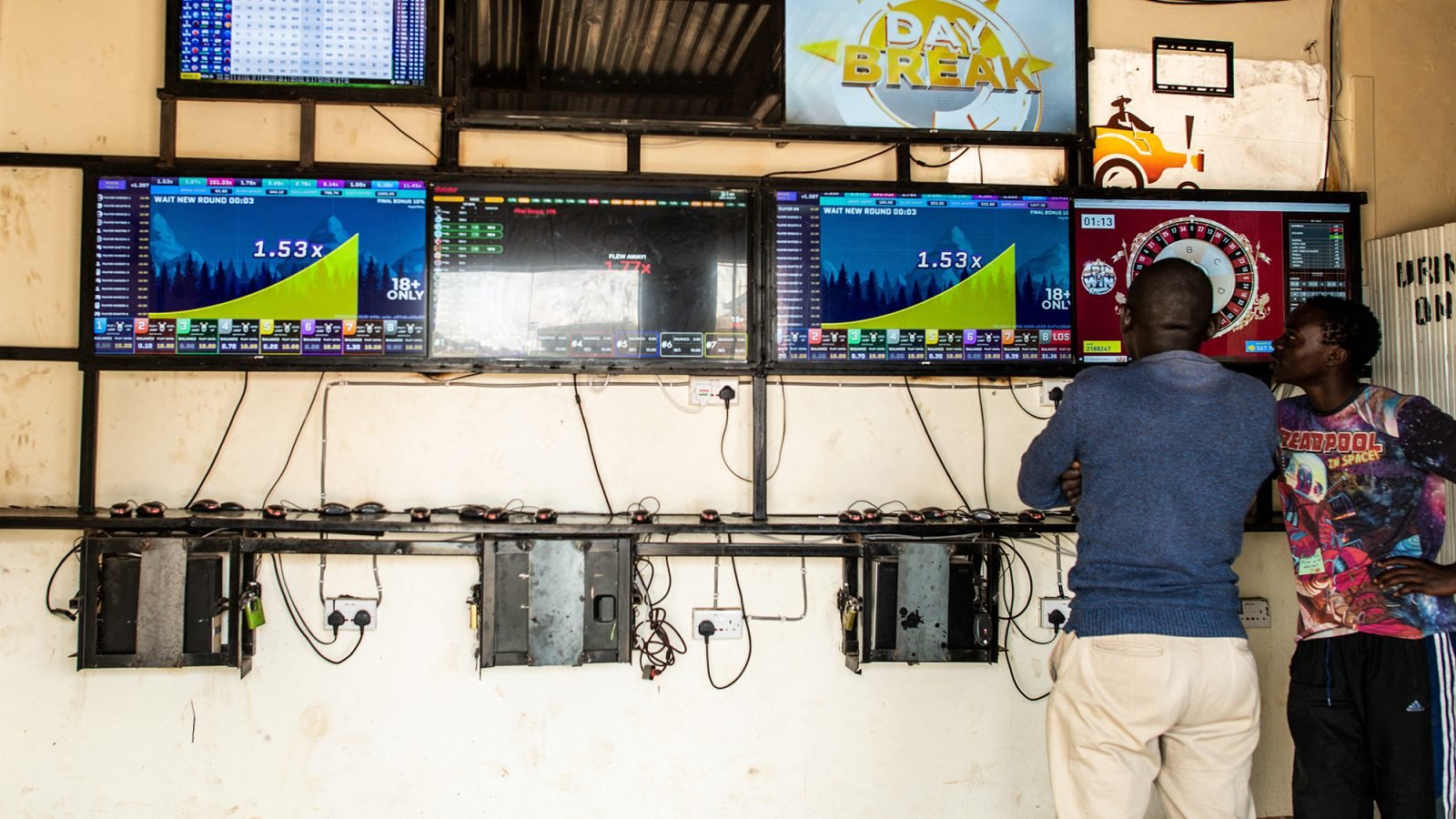
The online gambling industry has exploded in popularity since the pandemic. Estimates suggest that its total market value has more than doubled from $37.5 billion to $81 billion between 2015 and 2023. Major players in the industry are doing exceptionally well: the U.S.-based betting platform DraftKings signed a $350 million deal with the UFC in 2021, and the Indian betting app Mobile Premier League became a unicorn that same year with a valuation of $2.3 billion.
In response to the growth, Brazil and Mexico have loosened their gambling laws to encourage further investment.
But other nations, including Cambodia and India, have restricted online gambling. Legislators in both countries, responding to concerns about rising scams, crippling debt and media reports linking gambling losses to suicides, have introduced sweeping bans. The Philippines and Thailand have cracked down on illegal operations and ads. A recent Rest of World investigation documented how Meta continues to host ads for gambling sites, despite its own policies and local legislation that prohibits them.
Here are some examples of how other countries are cracking down on online gambling.
Cambodia
The Cambodian government banned online gambling in 2019, leading to job losses for nearly 7,000 Cambodians and a significant revenue loss from taxes, according to Reuters.
But illegal operations persist, and the government regularly conducts aggressive raids to crack down on them. In February 2024, the government arrested 187 people in a single week during raids tied to illegal gambling.
China
All forms of gambling, except state-run lotteries, are considered criminal offenses in China. In 2024, China’s Ministry of Public Security blocked more than 4,500 illegal gambling websites and arrested more than 11,000 people involved in their operations.
Philippines
The president of the Philippines, Ferdinand Marcos Jr., banned offshore gambling websites in July 2024, and a discussion regarding a total ban on online gambling is ongoing. The government is responding to several issues that may stem from illegal online gambling, such as depression, significant debt, and addiction to betting.
The country’s Cybercrime Investigation and Coordinating Center consistently takes down illegal gambling websites, including 10,000 sites in September last year. The agency also flags influencers who promote such websites to local authorities and social media platforms.
Azerbaijan
In Azerbaijan, all forms of gambling, including physical casinos and online platforms, require a license from the Ministry of Finance. The majority of online gambling websites in Azerbaijan are run by international operators and enforcement against illegal sites has remained a challenge.
Since 2024, authorities have carried out raids against operations running gambling websites illegally, leading to arrests and seizure of goods.
Thailand
Gambling has been banned in Thailand since 1935, and efforts to introduce physical casinos through the Entertainment Complex Bill have failed so far due to concerns related to their social and economic impact.
Last October, the government launched an operation to crack down on large-scale networks of illegal online gambling, arresting individuals running websites with a combined sales revenue of 15.2 billion baht (about $480 million).
India
Last August, India issued a sweeping ban on all forms of online gambling and gaming involving real money — an industry estimated to be worth 2 trillion rupees (about $2 billion).
Major players, including Dream11 and other fantasy sports platforms, switched to free-to-play models almost overnight to adapt to the changing regulation. Between 2022 and 2025, the central government took down more than 1,500 websites and apps running gambling operations illegally.
Nepal
While gambling has largely been restricted for Nepali citizens, a recent proliferation of offshore websites led the government to issue stricter regulations, including a total ban on online gambling websites.
India’s online gambling ban is believed to have contributed to the rise of offshore sites in Nepal.