US signals high-level Cuba contacts as energy pressure campaign widens
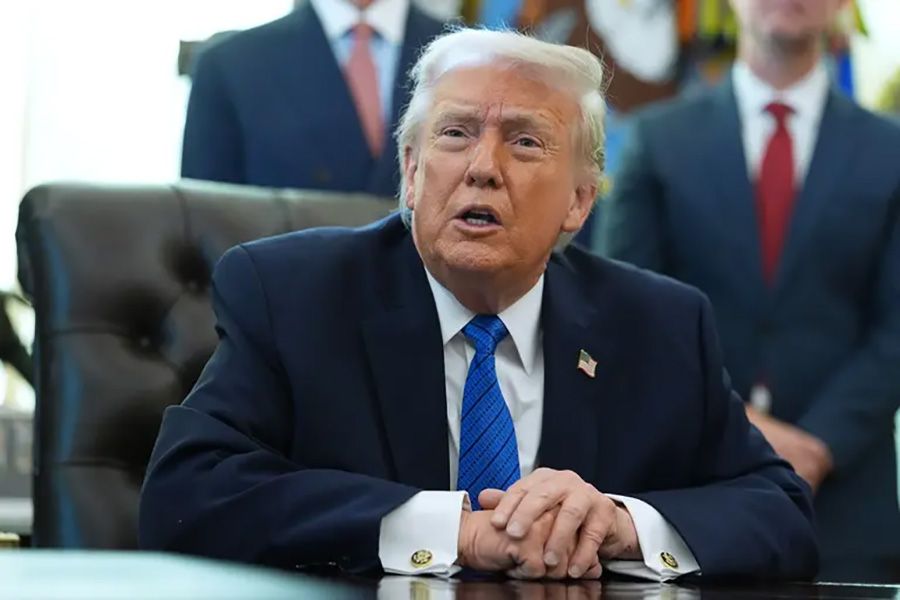
“I think we’re going to make a deal with Cuba… we’ll see what happens,” Trump said
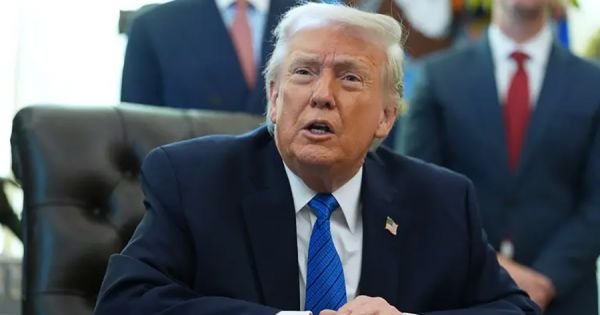
US President Donald Trump said his administration is talking with “the highest people” in Cuba and voiced confidence that a deal could be reached, even as Washington tightens economic pressure aimed at restricting the island’s fuel lifeline.
“I think we’re going to make a deal with Cuba… we’ll see what happens,” Trump told reporters, arguing that a humanitarian emergency “doesn’t have to happen” if Havana chooses negotiation. The comments come amid an intensified push to squeeze Cuba’s access to imported oil and refined products.
Days earlier, Trump signed an executive order that authorizes tariffs on imports from any country that supplies oil to Cuba. The measure does not set a fixed rate, leaving the tariff level to be determined by the president on a case-by-case basis after assessments by the Treasury and Commerce departments—an approach designed to deter or raise the cost of third-country shipments to the island.
Claudia Sheinbaum, the president of México, warned that cutting fuel flows could trigger a humanitarian crisis and said her government would continue to support Cuba through alternative channels, while Trump countered that Havana would “probably come to us” to strike a bargain.
Washington has also sharpened its public criticism after incidents involving US chargé d’affaires Mike Hammer. In a social media statement, the State Department’s Western Hemisphere bureau accused Cuba’s government of “failed intimidation tactics” and said US diplomats would keep meeting “with the Cuban people.” Hammer said he was heckled by a group outside the Iglesia San Francisco de Paula and argued the agitators did not represent ordinary Cubans.
US messaging framed 2026 as a year in which Cubans should be able to “exercise their fundamental freedoms,” underscoring that the standoff is being presented in both political and economic terms.
Separately, some regional outlets have pointed to backchannel discussions in Ciudad de México involving senior Cuban figures and financial arrangements tied to remittance-related funds, but no official confirmation has been issued by either government.