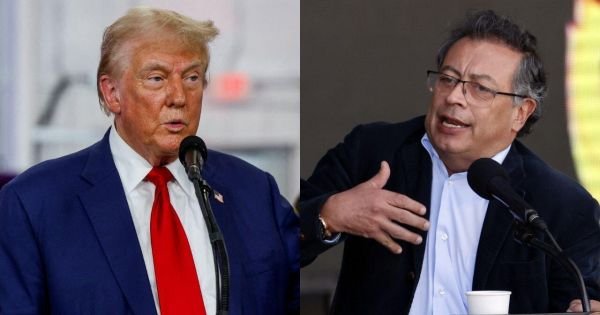
Petro’s high-stakes Trump meeting tests a strained U.S.–Colombia partnership
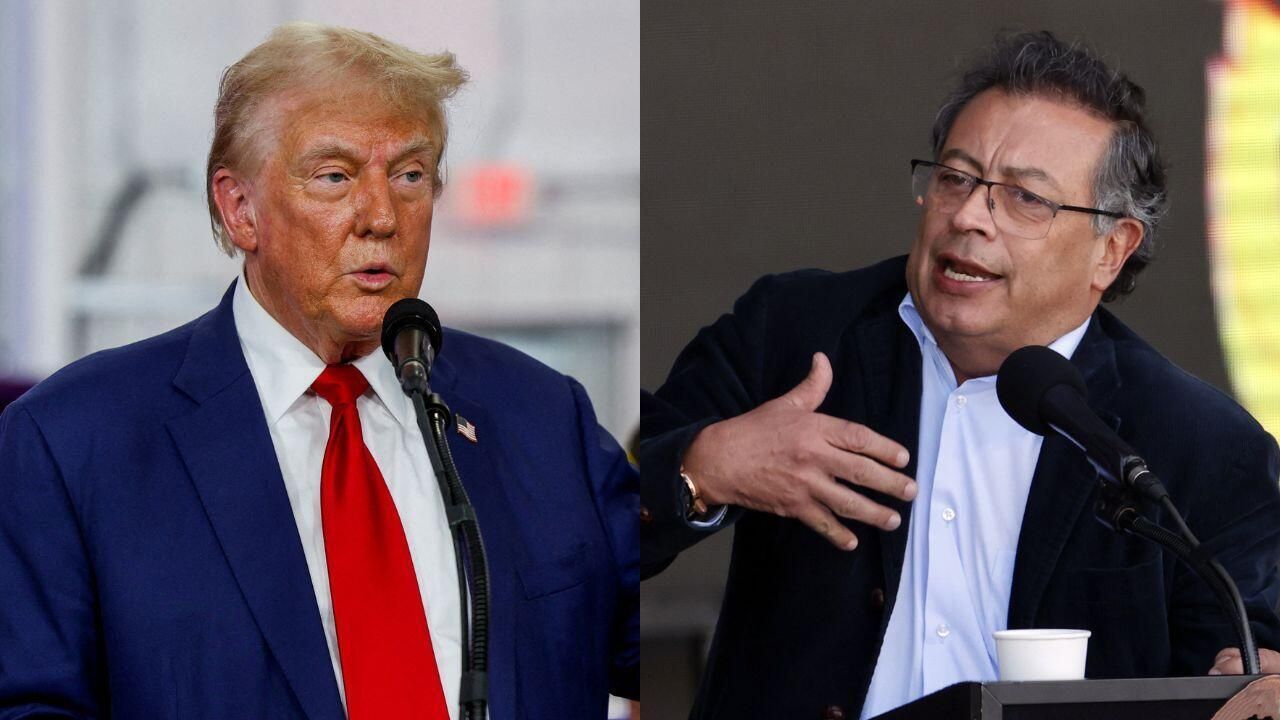
The visit comes after Washington revoked Petro’s visa in September and, in October, imposed financial sanctions through the U.S. Department of the Treasury and its OFAC sanctions program
Colombian President Gustavo Petro will meet U.S. President Donald Trump at the White House on Tuesday, Feb. 3, in what both capitals frame as an attempt to steady a relationship under pressure from disputes over counternarcotics policy, regional security and trade.
The visit comes after Washington revoked Petro’s visa in September and, in October, imposed financial sanctions through the U.S. Department of the Treasury and its OFAC sanctions program, alleging links to illicit drug activity. Treasury Secretary Scott Bessent said the administration was taking “strong action” and accused Petro of allowing cartels to flourish—claims the Colombian government has rejected.
Separately, the State Department said in October it would not certify Colombia’s counternarcotics efforts and paired that decision with sanctions-related actions, adding institutional weight to the bilateral dispute.
Public messaging ahead of the meeting has swung between de-escalation and confrontation. After an early-January phone call, Trump wrote that it was a “Great Honor” to speak with Petro, praising the “tone” and confirming plans for a White House meeting. Petro, for his part, called the talks “decisive” for him and “for the life of humanity,” according to EFE, while also renewing criticism of U.S. actions in Venezuela.
Outcomes range from a pragmatic reset—potentially conditioned on tougher anti-drug measures and broader geopolitical alignment—to a tense encounter that could spill into trade, security cooperation and travel restrictions.
Underlying the diplomacy is a renewed focus on Colombia’s coca and cocaine indicators, with competing narratives around eradication, seizures and extraditions shaping Washington’s demands and Bogotá’s defense ahead of the Oval Office talks.