Paraguay courts AI data centers and green hydrogen with discounted power rates
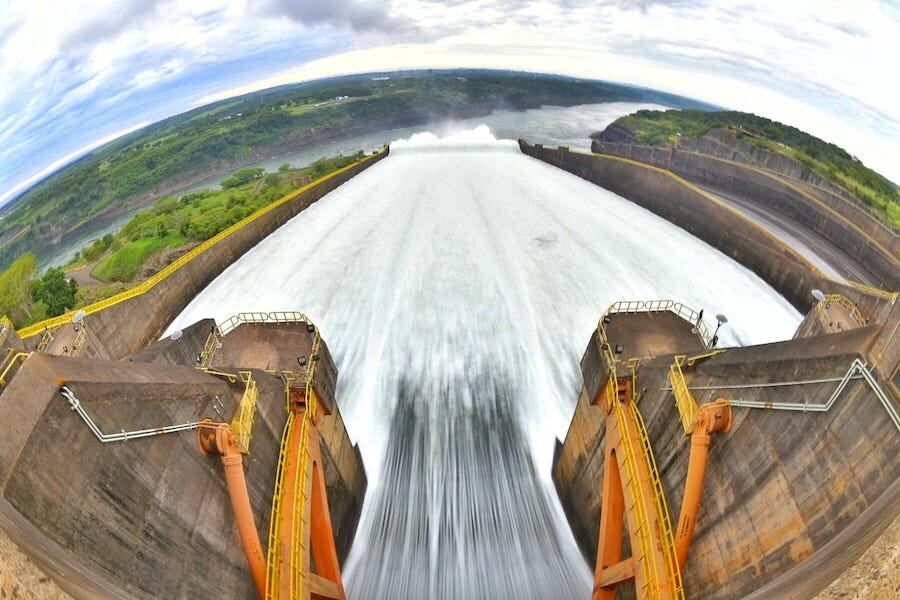
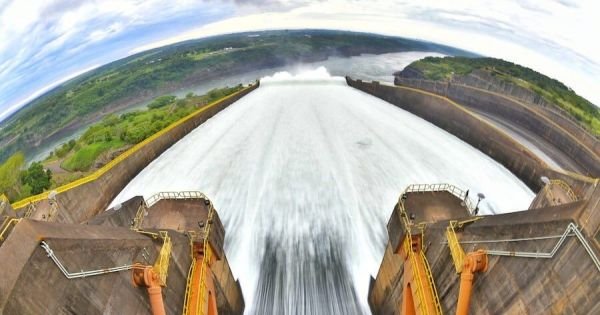
Using Paraguay’s low-carbon hydropower advantage to attract globally mobile digital infrastructure and emerging decarbonization industries
Paraguay’s government has rolled out a pair of decrees offering preferential electricity pricing to energy-hungry industries—ranging from AI-linked data centers and cloud computing to green hydrogen and other “Power-to-X” projects—betting that the country’s hydroelectric surplus can be converted into investment and higher-value production. The move, however, has triggered pushback from energy experts and a fast-moving labor dispute inside the state utility ANDE.
As reported by Última Hora, Decree No. 5306 creates a new category of “convergent industries” and sets a special tariff for activities such as artificial intelligence, high-performance computing and cloud services. It also establishes a bi-ministerial accreditation commission to determine which projects qualify. A second measure, Decree No. 5307, covers “Energy-to-X (Power to X)” initiatives that convert renewable electricity into other energy carriers or industrial inputs, including green hydrogen, green fertilizers, ammonia, methanol and electrometallurgy.
Criticism has focused on pricing levels, governance, and ANDE’s role in decision-making. Former ANDE technical manager Pedro Ferreira told Última Hora the new rates appear “comparatively much lower” than what other job-creating industries pay, warning that underpricing large new loads could undermine service quality and force hidden subsidies. Energy specialist Victorio Oxilia, also quoted in the report, said a large-consumer strategy can make sense, but tariffs over long horizons should still cover current costs and future investment needs, while delivering clear economic and social returns.
Tensions spilled into public protests in early February. ABC Color reported nationwide demonstrations called by Sitrande, the ANDE workers’ union, demanding the resignation of ANDE president Félix Sosa. Union leader Adolfo Villalba argued that the decrees effectively leave key eligibility decisions to the MIC and the Mitic, while ANDE would be required to guarantee the special tariff for an extended period. “They are trying to force the sell-off of ANDE,” Villalba said.
Using Paraguay’s low-carbon hydropower advantage to attract globally mobile digital infrastructure and emerging decarbonization industries. The domestic argument now is whether the tariff design and oversight mechanisms can balance foreign investment incentives with ANDE’s financial sustainability—and ensure that promised benefits translate into measurable jobs, grid upgrades and broader productivity gains.