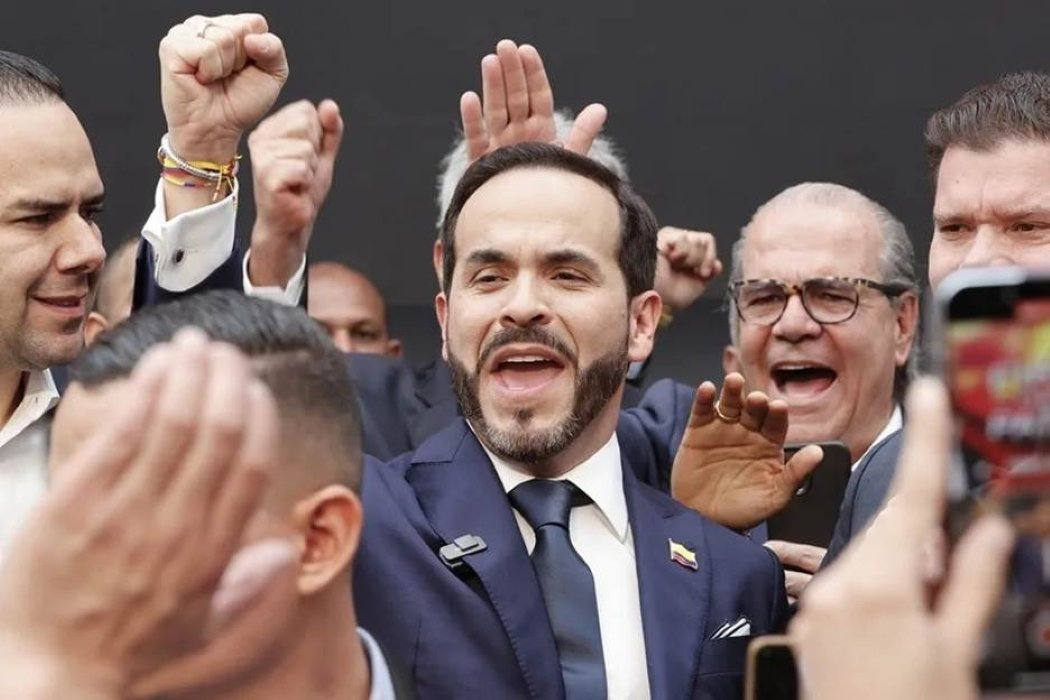
Criminal lawyer Abelardo De La Espriella, known as “the tiger,” leads a Semana poll as Colombia nears May 31, highlighting his outsider campaign that combines homeland messaging with security policies, including coca fumigation, and raises questions about power, law, and press freedom.
A Slogan in the Air, Bodyguards on the Curb
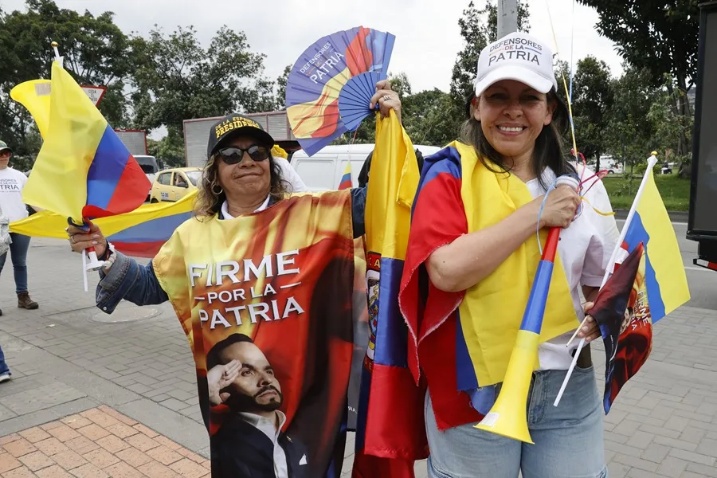
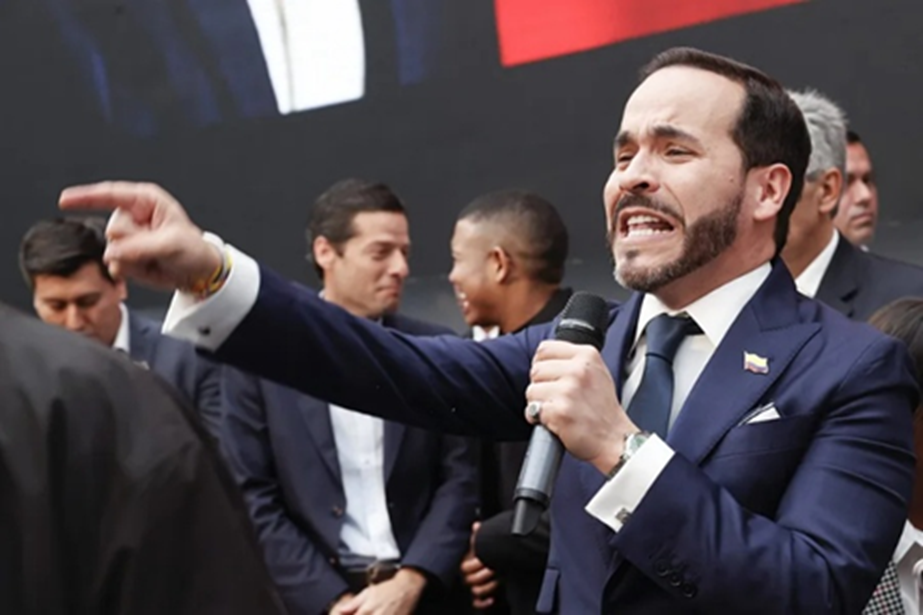
He salutes, then shouts: “Stand firm for the Nation!” People close in for a quick handshake, then step back as the security detail tightens the lane again. Since the assassination of presidential hopeful Senator Miguel Uribe Turbay last year, protection has become part of campaign life.
Abelardo De La Espriella calls himself “the tiger,” saying the nickname means big heart, strength, endurance, and character. He speaks of la patria constantly and offers a “defender of the homeland” kit to anyone who requests it online. In Colombia, a slogan is rarely just a slogan.
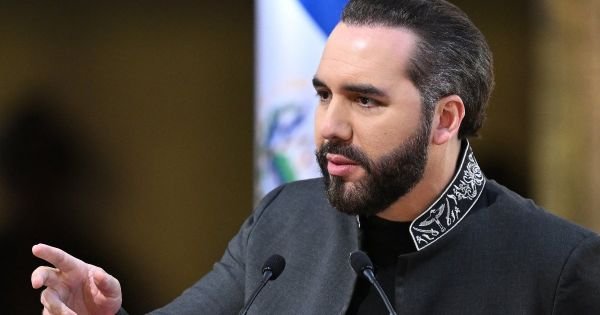
A poll published by Semana on February 7 put him first with 32%, ahead of Senator Iván Cepeda of the ruling Pacto Histórico coalition. Political strategist Miguel Silva told AQ that De La Espriella is “clearly the main outsider in this race,” and he compares the candidate’s security emphasis to El Salvador’s President Nayib Bukele, underscoring its significance in his campaign and its potential impact on Colombian politics.
For some observers, the surge comes with a flinch. De La Espriella is a 47-year-old criminal lawyer with no government experience, a private jet, a lavish lifestyle, and an unorthodox campaign that has shocked parts of the establishment. But being different is also his strength, in a country that almost elected Rodolfo Hernández in 2022. Clearly, he is not politics as usual.
Fumigation Collides with Courts and the Coca Economy
De La Espriella says he will “save” the health system in fewer than 90 days after taking office and impose “democratic authority,” framed as a reformulation of Álvaro Uribe’s 2002 “seguridad democrática.” It is a familiar Colombian wager: order first, prosperity later.
On coca, he offers a clear first move. “The first thing we have to do to retake control of security is to eradicate coca crops using different means, including fumigation,” he told AQ in Bogotá last week. “Cocaine is our worst cancer.” He points to record cultivation, more than 262,000 hectares in 2024, and to production likely surpassing the 2,664 tons the United Nations calculated for 2023. Yet fumigation with glyphosate was prohibited by the Constitutional Court in 2015. He wants stronger ties with the U.S. for drug control and investment, praising Donald Trump’s interdiction stance. He visited Madrid to meet VOX leader Santiago Abascal and joined the Foro de Madrid.
A Flashy Life, a Contested Past, and Press Freedom Questions
Colombia holds presidential primaries on March 8 alongside legislative elections, with contenders including Claudia López and Paloma Valencia. Sergio Fajardo says he will go directly to the May 31 first round, with a June 21 runoff expected if no one clears 50%. The right’s internal math, especially Valencia’s strength, could determine how much room De La Espriella keeps to himself.
De La Espriella holds Colombian, American, and Italian passports and lives in Miami with his wife and four kids. Though born in Bogotá, he presents himself as a costeño and projects success without apology, including a private plane. “Acting discreetly is not one of his trademarks,” said someone who knows him well, adding that marketing is his other specialty alongside being a ferocious lawyer.
His law career is also where controversy sits. His former clients include artists, politicians, and individuals with alleged links to paramilitary groups. The most controversial is Alex Saab, the Colombian national, particularly close to Nicolás Maduro, who served as a minister in Venezuela until recently. Saab was arrested in Cape Verde in 2020, held in the U.S. on bribery charges, then exchanged in 2023 for Americans held in Venezuela, and reports cited in the notes say he is now detained in Caracas. De La Espriella denies wrongdoing, stating he last spoke to Saab six years ago and that their work happened when Saab lived in Barranquilla, before Caracas, which adds complexity to his political profile and public perception.
The press has its own file. From 2008 to 2019, he filed more than 100 insult and slander complaints, according to Colombia’s Foundation for Press Freedom, FLIP. Professor Juan David Rivero wrote last year that De La Espriella “does not represent a democratic alternative.” Fajardo wrote on X: “If you become president, it would be a calamity for Colombia.” De La Espriella replies that he is not authoritarian, that he respects the Constitution and the law, and that elections will remain free and fair. He says he will transfer power to whoever is elected in 2030.
His slogan keeps returning, as if repetition could settle the question. Stand firm. Stand firm. Asked about the rising heat, he offers the line he seems to trust most: “Another stripe for the tiger.”
This article was adapted from AQ’s original report titled Colombia’s Bukele? Abelardo De La Espriella Surges Ahead by Ricardo Avila.
Also Read:
Panama Court Ruling on Canal Ports Reopens Sovereignty and Trust Debate