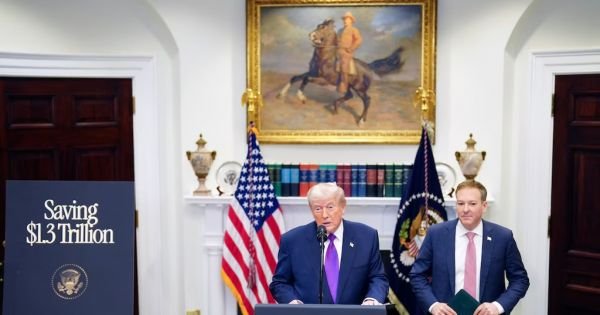
Trump moves to scrap EPA climate finding and unwind federal vehicle emissions rules
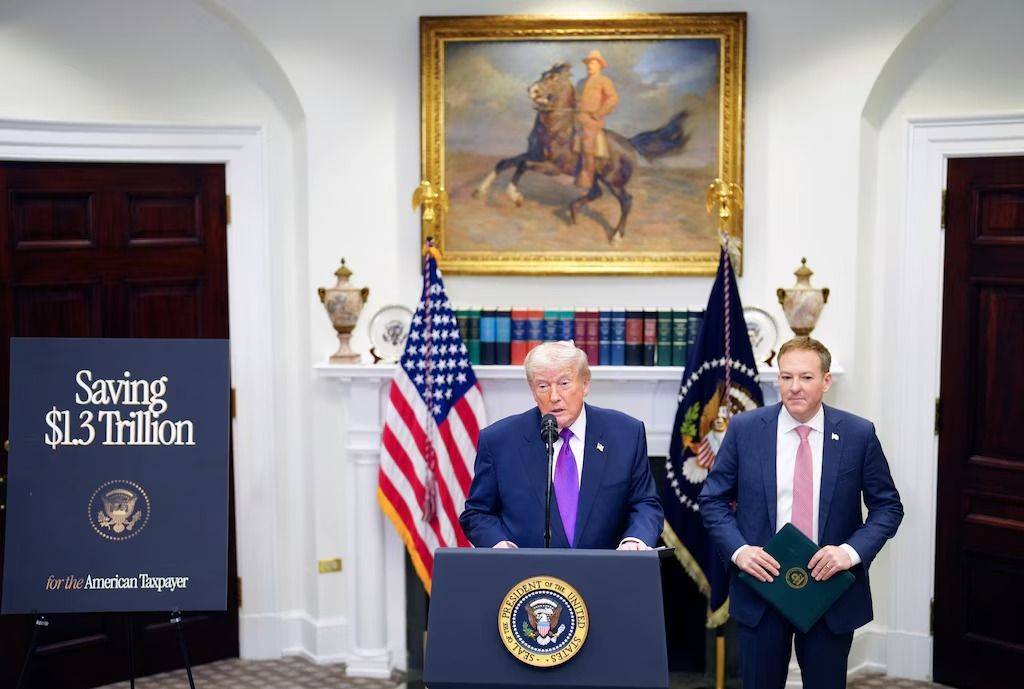
Appearing alongside EPA Administrator Lee Zeldin, Trump said the action would end federal emissions rules for vehicles and engines covering model years 2012–2027 and beyond
U.S. President Donald Trump said on Thursday his administration has withdrawn the Environmental Protection Agency’s 2009 “endangerment finding,” a determination that has long provided the legal foundation for regulating greenhouse gases under the Clean Air Act. The White House and the EPA framed the move as a major shift in federal climate policy and a broad deregulatory push affecting the auto sector.
Appearing alongside EPA Administrator Lee Zeldin, Trump said the action would end federal emissions rules for vehicles and engines covering model years 2012–2027 and beyond. He argued the rollback would cut costs for automakers and consumers, repeating figures circulated by his administration, including an estimated average reduction of nearly $3,000 in the price of a new vehicle and total compliance savings put at about $1.3 trillion.
Adopted in 2009, the endangerment finding concluded that carbon dioxide, methane and other heat-trapping gases threaten public health and welfare, enabling the EPA to set greenhouse-gas standards for cars and other sources. Its removal targets the core legal rationale that has underpinned federal limits on transportation emissions for more than a decade.
The announcement is expected to trigger fresh court battles. California Governor Gavin Newsom said the state will sue, calling the move an attempt to weaken environmental protections. Environmental groups also signaled legal challenges, warning the change could usher in a period of regulatory uncertainty for industry and for states that align their standards with federal rules.
The decision follows other steps taken since Trump returned to office. A presidential order dated Jan. 20, 2025 directed formal notification of a U.S. withdrawal from the Paris Agreement and ordered related actions affecting international climate finance commitments.
EPA data show transportation is the largest source of U.S. greenhouse-gas emissions, while electricity generation is among the major contributors. How quickly and how broadly the rollback takes effect will depend on implementation through rulemaking and the outcome of the legal challenges now taking shape.