
What does Argentina’s new lower age of criminal responsibility law entail?
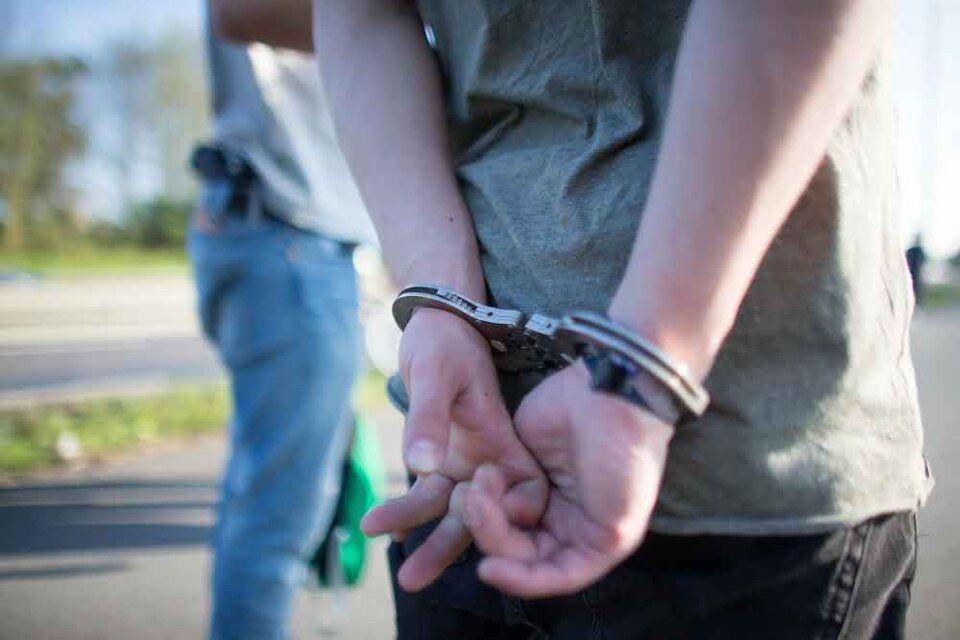
The bill would allow criminal responsibility from age 14, while framing detention as exceptional and limited to serious offences. In those cases, it sets a maximum prison sentence of up to 15 years
Argentina’s debate over a “lower age of criminal responsibility” centres on the minimum age at which the State can formally prosecute a minor. The lower house of Congress (Chamber of Deputies) has given initial approval to a new Juvenile Criminal Regime that would lower that threshold from 16 to 14 and redefine procedures and sanctions for adolescents.
The bill passed with 149 votes in favour and 100 against. It still requires Senate approval to become law, and senators can amend the text.
How the current framework works
Argentina’s existing rules are based on the Minor’s Criminal Regime (decree-law 22,278). Broadly, children under 16 are not criminally punishable, while 16- and 17-year-olds fall under a special set of procedural and sentencing rules different from adults.
What the proposed Juvenile Criminal Regime changes
The bill would allow criminal responsibility from age 14, while framing detention as exceptional and limited to serious offences. In those cases, it sets a maximum prison sentence of up to 15 years, for crimes such as homicide, violent robbery, sexual abuse or kidnapping. For less severe cases, it establishes non-custodial options (formal warnings, community service, electronic monitoring and reparation), plus restrictions on approaching the victim or attending certain places. For minor infractions, it adds probation-type mechanisms and juvenile penal mediation, with mandatory participation of the parties and the victim’s express consent.
Detention conditions, safeguards and victims’ rights
The text calls for dedicated juvenile facilities staffed by specialised personnel and prohibits holding minors alongside adult detainees. It also underscores access to education, healthcare and, where relevant, addiction treatment. Another pillar is a stronger role for victims in juvenile proceedings: the right to be informed and heard, to have legal representation and psychological assistance, and to take part in restorative mechanisms.
Political debate and the international yardstick
Government lawmaker Laura Rodríguez Machado argued that the current system “does not prevent, does not resocialise and does not repair”. Critics, including Juan Grabois, countered that “it’s not a question of lowering or not lowering the age” and called for a broader approach. Internationally, the UN Committee on the Rights of the Child recommends setting the minimum age of criminal responsibility at 14 at least, and advises against lowering it where a country already sets it above that threshold.
Implementation and next steps
Deputies added funding provisions to help implement the regime, a sensitive issue for provinces expected to bear part of the cost. The Senate will now decide whether to approve, amend or block the proposal; until then, the lower age remains an initial approval rather than a change in force.