Colombia’s 2026 World Cup group schedule splits matches between Mexico and the United States, forcing fans into two immigration systems while prices climb. Tickets, visas, flights, and fear of inspections collide, turning passion into paperwork and risk.
A Suitcase Packed With Paperwork
In the days before a big trip, a home takes on a different texture. Documents migrate from drawers to tabletops. A passport gets checked, then checked again. Someone prints confirmations that already exist on a phone because the battery might die at the wrong moment. The suitcase lies open like a question.
For Colombian fans chasing their national team through the 2026 World Cup group stage, that suitcase has to carry more than shirts and scarves. It has to carry proof. Proof for Mexico, where entry is simpler on paper but not always simple in practice. Proof for the United States, where a visa is mandatory, and where the rules of the moment, and the mood of enforcement, can turn a tourist into a target.
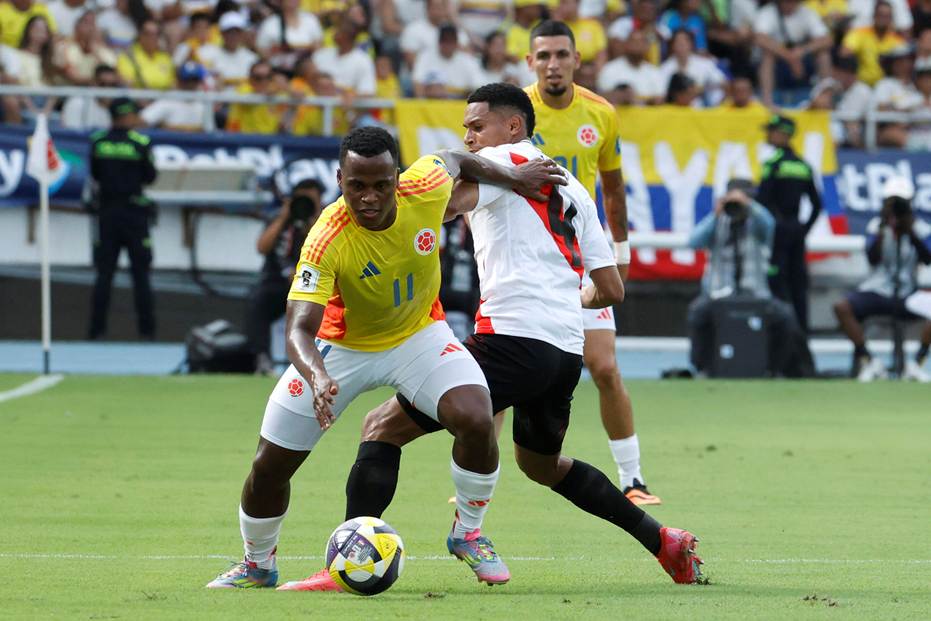
Colombia will play two group matches in Mexico and one in the United States. It will debut on Wednesday, June 17, against Uzbekistan at the Azteca in Mexico City, then play on Tuesday, June 23, in Guadalajara at the Akron stadium against one of the teams from the first playoff round, and close the group stage on Saturday, June 27, against Portugal at Miami’s Hard Rock Stadium.
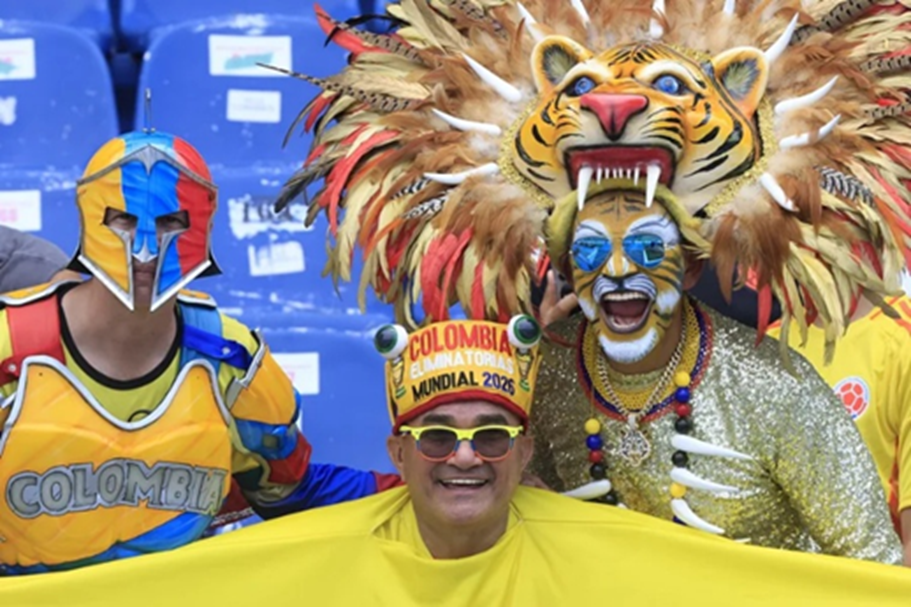
The trouble is that this itinerary asks thousands of supporters to do something that sounds trivial until you live it: cross into two different countries during the same tournament, under two different migration regimes, with two different kinds of risk. It is football, yes. It is also a border policy, in real time, with a whistle.
The economic side lands hard, too. A consulting agency cited in the notes estimates that the total cost of the trip, including visa, flights, lodging, and tickets, can range from $4,000 to $6,000, depending on how many matches and which city you stay in. That is the kind of range that turns a dream into a family negotiation.
And then there is the price of the game people want most. According to FIFA, the match against Portugal was the most requested of the entire championship, even more than the final. The cheapest ticket cost about $265, and the most expensive reached $700, which at the current exchange rate is roughly 2.6 million Colombian pesos, almost 1.5 times the country’s monthly minimum wage.
So the question is not only who can travel. It is those who can afford to take the risk of traveling.
The U.S. Visa Clock and FIFA Pass Promise
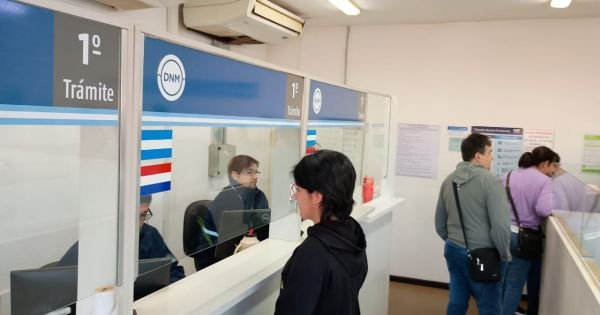
The first obstacle is the United States. Colombian fans need a B1/B2 tourist and business visa. Milena García, an adviser at a travel agency that specializes in these processes, explained the basics, saying the process begins by filling out a form and paying the consular fee, currently $185, she told EFE.
Then comes the part that feels like a closed door disguised as a calendar. Because demand is high, ordinary appointments can be scheduled as far out as 2027. In other words, too late to matter for 2026.
For the World Cup, the notes say FIFA enabled a FIFA Pass, a mechanism that allows those who buy official tickets to access priority visa appointments for the first half of 2026. García made two limits clear. It does not make the visa more expensive or guarantee approval, she told EFE.
What this does is split fans into categories that are not about love of the game. Fans with official tickets might access earlier appointments, but they still face the same judgment about whether they will return home. That judgment, the notes emphasize, often comes down to stable employment in Colombia, sufficient income, and family ties.
Even with tickets in hand, denial is still possible. Carlos Olarte, an immigration attorney, warned that World Cup ticket holders remain exposed to rejection and must meet the usual requirements, he told EFE.
The wager here is brutal in its simplicity: the World Cup is global, but movement is not. The sport sells itself as a shared belonging, while the border demands proof that you do not belong.
Raids, Profiling, and the Anxiety Between Games
Olarte’s advice to travelers is shaped by something beyond ordinary tourism caution. He recommends carrying a physical or digital copy of the visa and the registration form, because, as he put it, ‘the burden of demonstrating that one is legally in the country currently falls on the tourist,’ he told EFE. This helps travelers feel more confident and ready for any situation.
That line carries a certain chill. It turns a holiday into a constant readiness drill.
Concern about raids by U.S. Immigration and Customs Enforcement has intensified after the death of two protesters in Minneapolis in operations that involved agents from ICE and Border Patrol, the notes say. Los Angeles Mayor Karen Bass asked the federal government for guarantees for foreign attendees at the World Cup. This highlights the need for travelers to stay alert and cautious, which can help them feel more in control of their safety.
Olarte warned that in the event of a raid, if a person cannot immediately prove they entered the country legally, they can be detained and taken to a detention center. Travelers should carry digital or physical copies of their visa and registration forms, and know their legal rights, such as requesting to contact their embassy, to better navigate these situations.
This is where sports collide with enforcement politics. A tournament that fills stadiums also fills airports, highways, and hotel lobbies. It creates a visible population of foreign visitors moving in waves. For travelers already anxious about papers, that visibility can feel like exposure.
Then there is Mexico, which looks easier on the official checklist. Colombians only need a valid passport to enter as tourists. But the notes add a history of complaints of mistreatment, and Olarte says the risk of migration profiling persists for Colombian citizens, especially because Mexico borders the United States.
He warned of the possibility of stricter controls or secondary inspections based on nationality, even if documentation is in order. “Historically, Colombians have been subjected to profiling in Mexico, with cases of detentions and inadmissions, so during the World Cup, it will be key to demonstrate the purpose of the trip clearly,” he told EFE.
So the advice becomes its own small ritual of defense. Travel with round-trip tickets. Bring hotel confirmations. Show economic solvency. Carry match tickets. Reduce the chance of being denied entry or held in waiting rooms.
A fan should spend the hours before kickoff thinking about lineups and tactics. Instead, many will be thinking about whether their documents are complete, whether an official will deem them suspicious, and whether a second inspection results in a missed flight.
That is the lived reality inside a global spectacle. The stadium chant may be the same, but the path to the seat is not. For Colombian supporters, the 2026 group stage is not only a set of matches across Mexico and the United States. It is a test of movement itself, and a reminder that borders, unlike football, do not pretend to be fair.
Also Read:
Cuba Eyes Rugby Dreams as Football Fields Host a New Scramble