Lagarde says Trump’s ‘kick in the butt’ has pulled European leaders closer
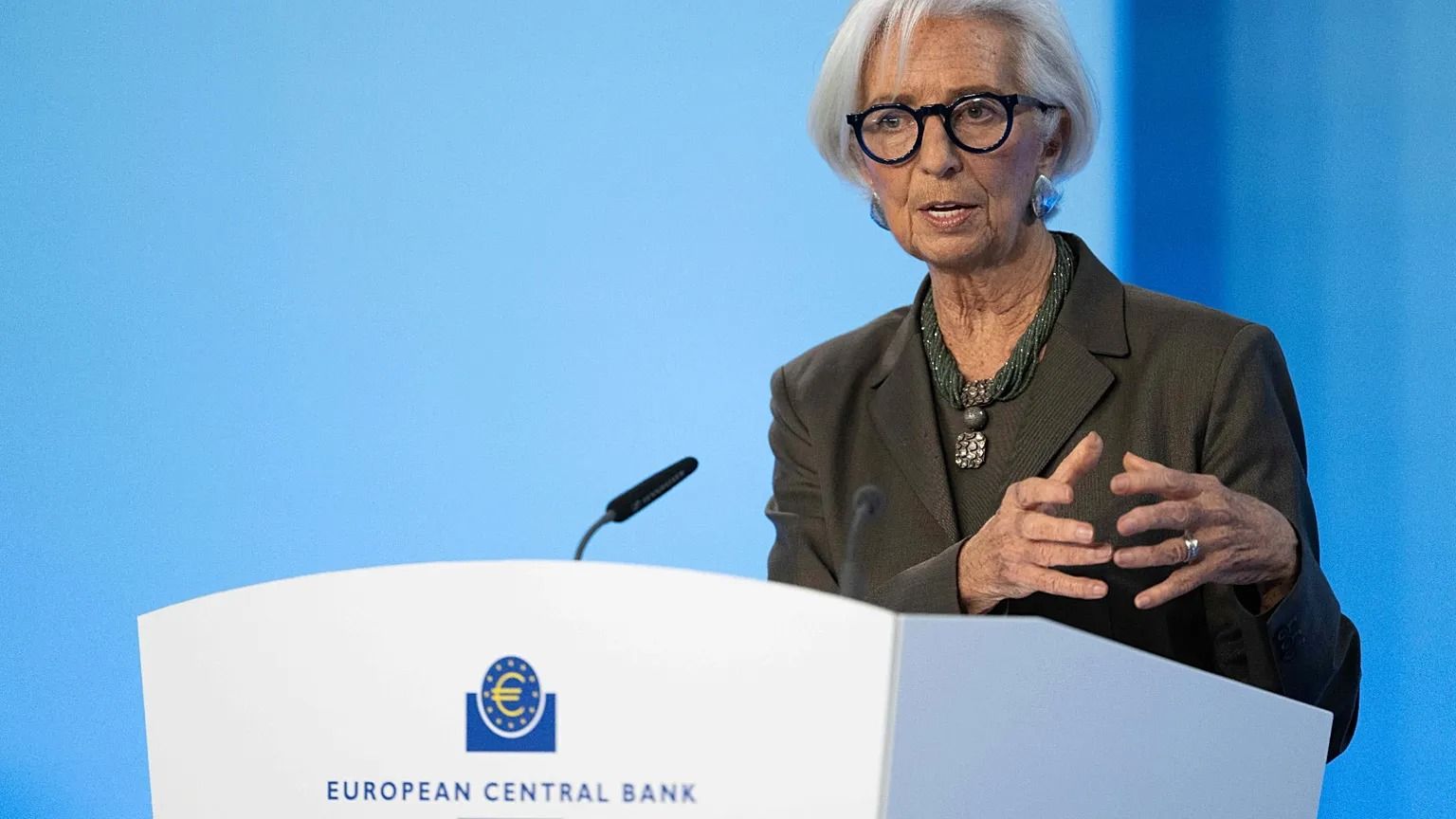
Lagarde closed by insisting that flexibility should not replace cohesion as a strategic aim
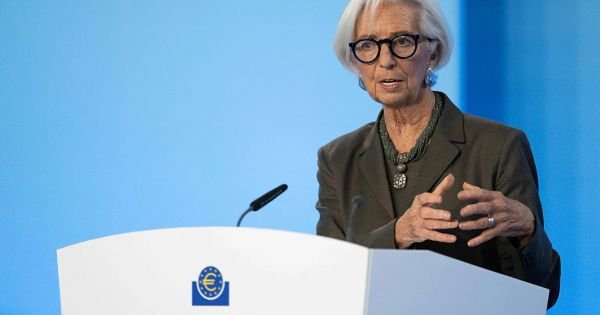
European Central Bank (ECB) President Christine Lagarde said on Sunday at the Munich Security Conference that a shift in US President Donald Trump’s stance toward Europe has acted as a political jolt, pushing European leaders into closer coordination.
“The ‘kick in the butt’ that we all received as a result of President Trump’s change of attitude towards Europe” is “effectively bringing the leaders of Europe, the policymakers, much closer together,” Lagarde said during a panel focused on competitiveness and the European economy. “That needs to continue,” she added.
Lagarde framed her remarks in historical terms, invoking Jean Monnet and Robert Schuman — two figures closely associated with the early architecture of European integration — to argue that Europe tends to consolidate under pressure. “Europe grows in times of crisis,” she said, adding that the bloc becomes “stronger” and more united when confronted with shocks.
Against that backdrop, Lagarde defended a “two-speed” approach inside the European Union when the full group of 27 member states cannot move at the same pace. The key, she argued, is political clarity: leaders must know it can be done, and the public must understand that differentiated cooperation is possible without paralysing the bloc.
As an example, she pointed to a €90 billion European loan plan to support Ukraine against Russia, backed by 24 of the 27 member states. Lagarde said unanimity remains the ideal but should not be treated as a veto over action. “Was it unanimous? No,” she said, noting that three member states were excluded from the arrangement, while the rest proceeded. In her view, the absence of unanimity is “not an obstacle” if the policy can still be delivered.
The argument drew a cautionary note from Estonian Prime Minister Kristen Michal, who questioned how many layers of variable geometry Europe might eventually produce. He warned that different clusters could emerge depending on the policy area — defence, technology, finance — and asked how many “onions” of overlapping groupings the EU might end up with.
Lagarde closed by insisting that flexibility should not replace cohesion as a strategic aim. “Europe is much better off being united,” she said. “Even if we are different, that makes us stronger.”