Uruguay and Argentina ratify the EU-Mercosur deal, leaving entry into force to Brussels
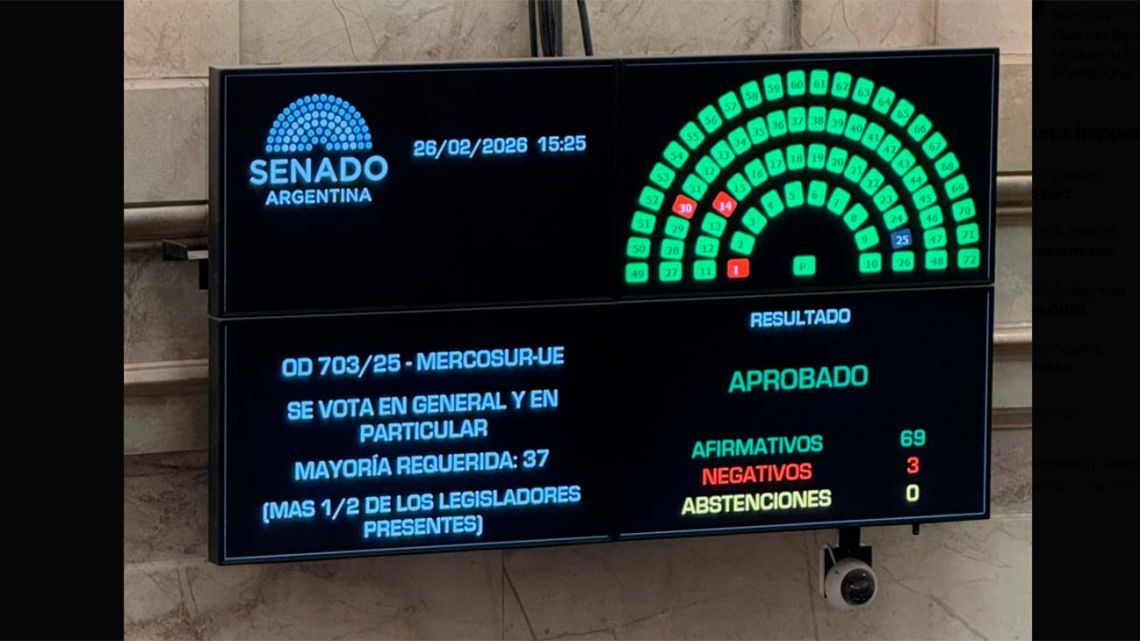
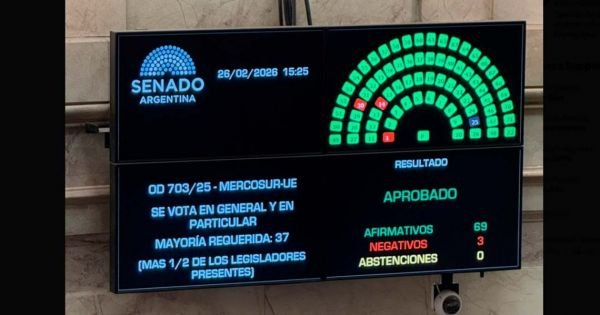
In Argentina, the Senate ratified the treaty by 69 votes in favour and 3 against, after prior approval in the Chamber of Deputies.
Uruguay and Argentina ratified on Thursday the trade agreement between Mercosur and the European Union, becoming the first founding members of the South American bloc to complete parliamentary approval. Whether the treaty begins to apply now hinges on decisions inside the EU, as a separate legal review process continues following moves in the European Parliament.º
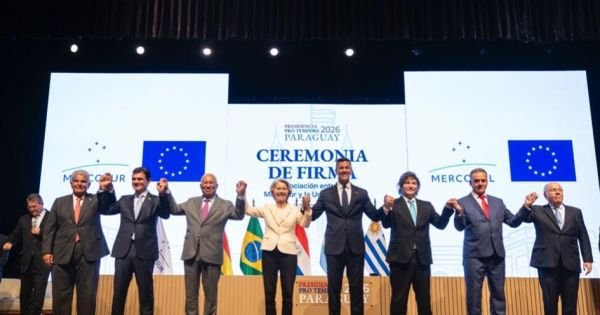
Signed in Asunción on January 17 after 25 years of stop-and-start negotiations, the agreement foresees a gradual elimination of tariffs covering 92% of bilateral trade, with sector-specific timelines. Supporters describe it as Mercosur’s largest trade accord since the bloc’s creation in 1991, creating a potential market of more than 700 million consumers.
Votes and next steps in Mercosur
In Uruguay, the lower house approved ratification by 91 votes to 2, following backing in the Senate. In Argentina, the Senate ratified the treaty by 69 votes in favour and 3 against, after prior approval in the Chamber of Deputies.
Uruguay’s foreign minister Mario Lubetkin said Mercosur had “done its part” and argued Europe now carries “a major responsibility” on how to move forward.
Brazil and Paraguay are moving through their own procedures. Brazil’s lower house approved the text on February 25, with final endorsement pending the Senate; in Paraguay, lawmakers are expected to take it up in early March.
Uruguay’s expected impact
Uruguay’s government framed the deal around the EU’s weight in its foreign trade: in 2025 the bloc was Uruguay’s third-largest destination for goods exports, behind China and Brazil, according to Uruguay XXI. Uruguay’s Economy and Finance Ministry estimates implementation could add 1.5 percentage points to GDP, lift exports by about 4%, and deliver smaller gains to employment and real wages.
Economy Minister Gabriel Oddone told senators the agreement would have a strong net positive effect over the medium and long term, while warning that some sectors could be hurt during the transition.
Brussels and the option of provisional application
In the EU, the file is intertwined with a European Parliament request for the Court of Justice of the EU to deliver an opinion on the agreement’s compatibility with EU treaties—an assessment that could slow full ratification. Against that backdrop, European leaders have floated provisional application of parts of the deal while regulatory steps are completed.
South American governments are pressing for political clarity on the scope and timing of any provisional rollout. Agricultural sensitivities remain a key fault line in several EU countries, even as others—such as Germany and Spain—have supported the agreement.
Argentina approves Fernando Iglesias as ambassador to Belgium and the EU
On the same day, Argentina’s Senate confirmed Fernando Iglesias as ambassador to Belgium and the European Union by 38 votes to 31, with one abstention. Government lawmakers stressed the post’s strategic importance; opposition senators challenged his suitability for diplomacy.
The debate also referenced past public remarks by Iglesias that lawmakers said could clash with Argentina’s longstanding position on sovereignty claims over the Falklands.
Glacier law reform and protests
After the trade deal vote, Argentina’s Senate opened debate on a bill to amend the 2010 glacier protection law, which restricts extractive and industrial activity in surrounding areas. The proposal would narrow protections in parts of the periglacial environment, prompting mobilisation by environmental groups and scrutiny from provincial leaders seeking mining projects.
Ahead of the debate, at least a dozen Greenpeace activists were detained during a protest near Congress, according to media reports and the organisation’s own statement.