Trump hits out at Starmer over Iran strikes, says the US-UK “special relationship” has weakened
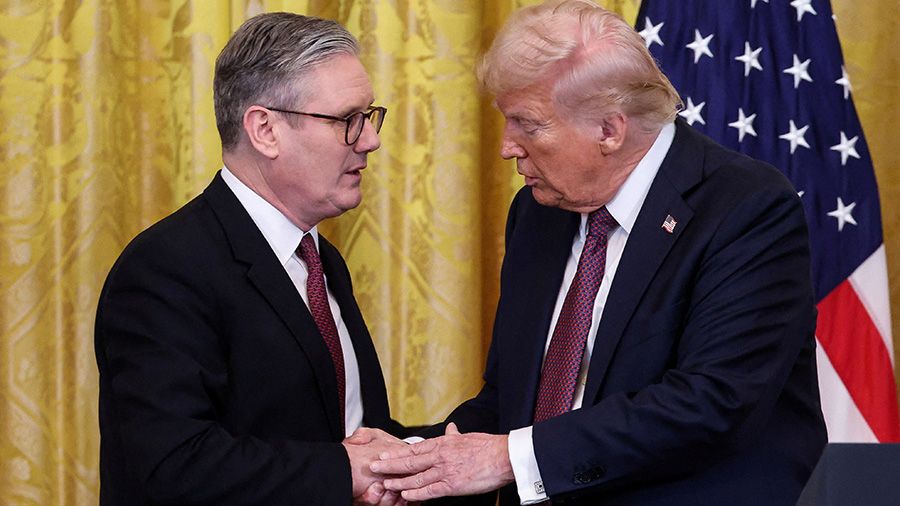
Trump faulted Starmer for delaying authorization for US forces to use British facilities and suggested Washington now has stronger working relationships with other European partners
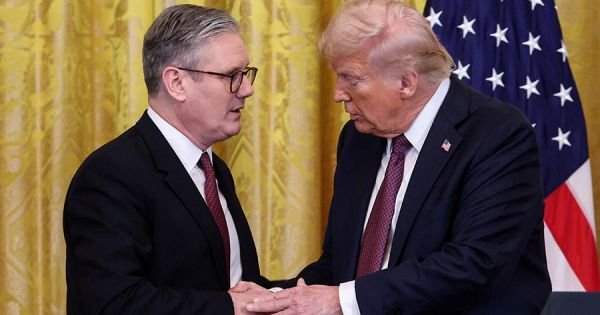
Donald Trump criticized UK Prime Minister Keir Starmer for refusing to take part in strikes against Iran and said the long-standing US-UK “special relationship” is “not what it was,” in remarks carried by Britain’s The Sun and reported by Reuters.
The former US president’s comments came after Starmer publicly distanced London from the operation, stressing that the United Kingdom would not back military action without a clear legal basis and a defined strategy—language aimed at avoiding a repeat of the political fallout from the 2003 Iraq war. During a debate in the House of Commons, lawmakers argued that any UK involvement must be grounded in law and credible objectives.
Reuters reported that Trump faulted Starmer for delaying authorization for US forces to use British facilities and suggested Washington now has stronger working relationships with other European partners.
London has sought to frame its position as opposition to offensive strikes while keeping the door open to defensive measures to protect British and allied interests. In a joint E3 statement (France, Germany, and the UK), the leaders said they did not participate in the initial strikes and said they could enable “necessary and proportionate defensive action” against missile and drone threats in the region.
The dispute comes at a politically sensitive moment in the United Kingdom. Starmer is balancing ties with Washington against domestic pressure to avoid another Iraq-style commitment, with critics on the right urging closer alignment with the US and voices on the left demanding strict adherence to international law.
The clash also revives questions over overseas basing—particularly the joint facility at Diego Garcia—and the practical boundary between “defensive” and “offensive” operations in a high-intensity conflict. The UK ultimately allowed US access for limited defensive missions as regional threats increased, while stopping short of endorsing offensive strikes.