By NAN Staff Writer
News Americas, NEW YORK, NY, Wed. Mar. 4, 2026: Caribbean economies are expected to continue expanding in 2026, although growth across the region will remain uneven, according to the latest Latin American and Caribbean Macroeconomic Report from the Inter-American Development Bank (IDB).
The report says overall economic growth in Latin America and the Caribbean is projected at about 2.1% in 2026, reflecting modest expansion amid global economic uncertainty, high debt levels, and persistent structural challenges. The analysis underscores the resilience of the region’s economies and finds that accelerating inclusive growth will demand sound macroeconomic frameworks and bold structural reforms, alongside efforts to harness opportunities in technology and commodities, amid growing global risks. The projection reflects a gradual slowdown compared to the region’s 2.2% growth in 2025.

Within the Caribbean, however, growth trajectories vary widely depending on energy production, tourism recovery and infrastructure investment.
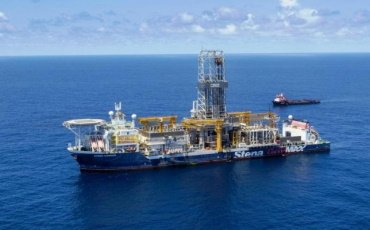
Oil-producing Guyana remains the region’s fastest-growing economy by a wide margin, while most tourism-driven island economies are expected to expand at moderate rates between two and four percent.
Caribbean GDP Growth Forecasts For 2026
Based on the IDB macroeconomic outlook and regional projections, the expected growth outlook for Caribbean economies includes:
Energy-Driven Economies
- Guyana: 10–12% growth, driven by continued offshore oil production expansion.
- Trinidad and Tobago: 2–2.5%, supported by energy exports and industrial production.
- Suriname: 2–3%, with expected recovery tied to mining and energy investments.
Tourism-Dependent Economies
- Dominican Republic: 4–5% growth, supported by tourism and construction.
- Bahamas: 1.8–2% expansion as tourism stabilizes.
- Barbados: about 3% growth, driven by tourism and services.
- Jamaica: about 2–2.1%, reflecting moderate tourism recovery and fiscal discipline.
- Belize: around 2–2.5%.
Eastern Caribbean Economies
- Grenada: 3–4%.
- Saint Lucia: 3–4%.
- Saint Vincent and the Grenadines: about 4%.
- Antigua and Barbuda: 3–4%.
- Dominica: about 3–4%, supported by reconstruction projects.
- Saint Kitts and Nevis: roughly 2–3%.
Fragile Economy
- Haiti: growth remains negative or near zero due to ongoing political instability and economic disruption.
Tourism and Energy Driving Growth
The IDB report notes that tourism recovery and energy production are the two biggest drivers of Caribbean growth.
Tourism-dependent economies across the region continue to benefit from strong visitor demand from the United States and Europe, while energy exporters such as Guyana and Trinidad and Tobago are benefiting from global energy markets.
At the same time, the bank warns that most Caribbean economies still face structural constraints, including small domestic markets, vulnerability to climate shocks, high debt levels and dependence on a limited number of industries.
Growth Remains Modest for Most Islands
Despite pockets of strong performance, the IDB cautions that long-term growth potential in many Caribbean economies remains around 1–2%, highlighting the need for greater productivity, investment and economic diversification.
The report recommends strengthening institutions, expanding regional integration and improving fiscal management to support sustainable growth.
For the Caribbean, the challenge is clear: maintaining economic resilience while building more diversified and competitive economies capable of sustaining growth beyond tourism and commodities.
The report concludes that policies promoting stronger competition, improved skills formation, deeper regional integration, and the development of more sophisticated regional value chains can significantly boost productivity – and should remain at the center of Latin America and the Caribbean’s policy agendas.
“Latin America and the Caribbean navigated global uncertainty with resilience, supported by fiscal and monetary frameworks that have helped contain inflation and sustain macroeconomic stability,” said Laura Alfaro Maykall, IDB chief economist and economic counselor. “Looking ahead, countries have to accelerate productivity-led growth, strengthen public finances, and seize new opportunities from digitalization, artificial intelligence, and the energy to raise living standards and build more resilient and inclusive economies.”
Support NewsAmericas