

As Trump’s immigration crackdown continues, Latin American players coming for spring training bring more than just gloves and bats. They also carry documents, worry, and a keen sense that being visible in today’s America can feel risky.
Spring Training Under a Cloud
The fields and routines remain the same—morning workouts, stretching, light conversation, and the first crack of the bat under a clear sky. But at spring training in Florida and Arizona, a heavier feeling has settled in. For many Latin American players coming back to the U.S. for the 2026 season, the usual rhythm of baseball now comes with private worries about safety, family, and what kind of country lies beyond the stadium parking lot.
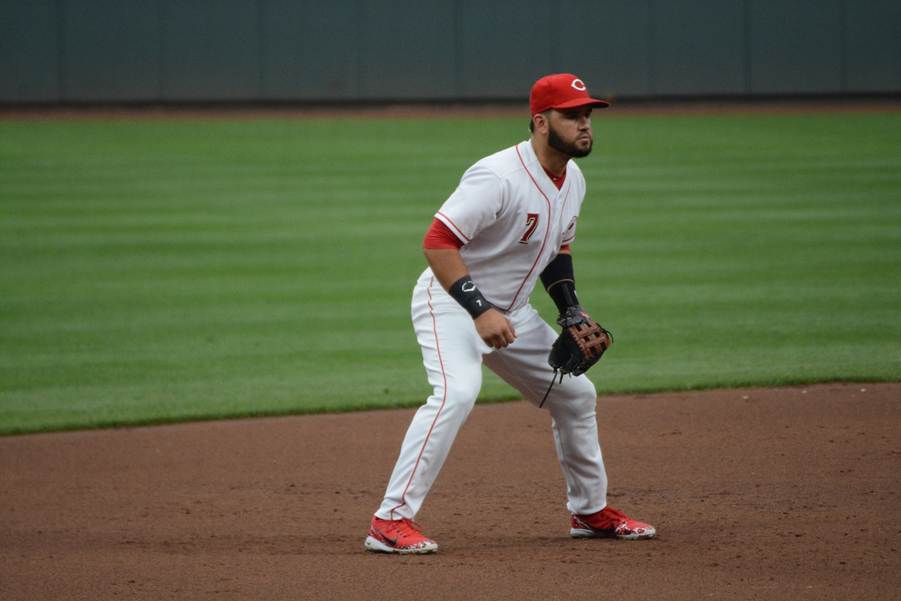
The Cincinnati Enquirer’s reporting captures that unease most clearly through Eugenio Suárez, the Cincinnati Reds star from Venezuela, who described a feeling that has become painfully familiar for many immigrants, even those with legal status. “This country allows you to change your life,” Suárez told the Cincinnati Enquirer. “And now you feel pressure. Now you’re scared because you don’t know what will happen if you’re driving down the highway and somebody stops you. Even if you are a citizen.”
He didn’t stop there. He made it more personal. “I’m a resident here, but I’m still scared because you don’t know,” he told the Cincinnati Enquirer.
That sentence shows more than personal fear. It reflects the mood around a sport that has long relied on Latin American talent and hard work, all while existing in a political climate that can quickly turn migrants into symbols, targets, or collateral damage. Baseball isn’t separate from the American debate—it’s right in the middle of it.
Spring training began just weeks after U.S. military action in Venezuela that ousted Nicolás Maduro, and after federal agents killed two U.S. citizens in Minneapolis. This has made the atmosphere around camp even more tense. Players aren’t just focused on roster spots or batting. They’re thinking about their home countries, families, paperwork, and the risk of being seen in the wrong place at the wrong time. Suárez told the Cincinnati Enquirer: “We’re concerned.”
The Clubhouse and the Country
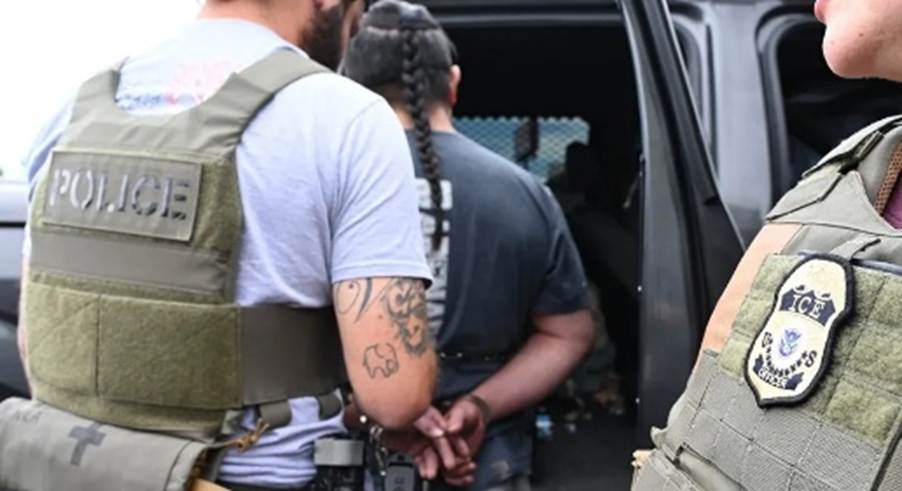
Teams, according to the notes, have addressed the issue directly in meetings. Reds president Nick Krall emphasized vigilance early in camp, including basic precautions like always carrying identification. It is a practical message, but also a revealing one. When a baseball executive feels compelled to remind players to keep their documents on them at all times, the line between sport and state has already thinned.
Manager Terry Francona told the Cincinnati Enquirer the club worries that something normal could quickly get out of hand. “The last thing you want is for guys to be in a situation that could easily get worse for no reason,” Francona said. Then he added a tired honesty that goes beyond baseball. “Government stuff isn’t my area. But I care about our guys. I don’t know if anyone has a perfect answer. But making our guys aware of it, or more aware, is always a good thing.”
That is the language of a manager, yes, but also of an institution trying to adjust to a political climate it cannot control. The club can offer advice. It can remind players to be careful. It can show concern. What it cannot do is remove the deeper tension: Major League Baseball markets itself as an international sport, enriched by talent from across the hemisphere, while many of the people who sustain that global identity must move through the United States with heightened exposure.
This issue goes beyond one season or administration. Latin America has long been a source of labor and hope for the U.S., especially in sports, farming, and service jobs. The invitation is often economic before it’s social, transactional before it’s secure. Work. Perform. Help keep the show going. But belonging is conditional, and the rules can change quickly. For Latin American players, this contradiction hits hard. They’re cheered in the batter’s box but reminded outside the stadium that their status doesn’t always erase suspicion.
When the Stadium Stops Feeling Separate
The idea that baseball stadiums are safe from the country’s tougher realities has been shattered. Twice last year, ICE and Customs and Border Patrol agents showed up at Dodger Stadium—once in June and again the day after the Dodgers’ World Series parade in November. The Dodgers staff refused them access to the parking lots, but the image stuck.
“We were all taken aback,” Dodgers manager Dave Roberts told the Cincinnati Enquirer. “You just think of it as a place where we play our baseball games. It was a surprise to everyone.”
That surprise matters because it shows how much the old line between civic conflict and sports has faded. A stadium isn’t just where the game happens anymore. It’s also a symbolic battleground in a country where immigration enforcement can be public and theatrical. The notes mention protests, fan unease, and some people avoiding games after the first Dodger Stadium incident, partly because they felt the response wasn’t strong enough. In a city with one of baseball’s biggest Latino fan bases and one of its most diverse teams, that message was clear.
For Latin American players, the fear is not abstract. It is felt after the lights go off, after the uniform comes off, after the player returns to being a man in a car with a name, a face, and an accent that may be read politically before it is read personally. That is the real fracture running through this moment. The game still asks these players to carry teams, fill stands, and embody the hemisphere’s shared baseball culture. The country around the game asks them, at times, to prove over and over that they belong.
Spring training usually promises a fresh start. This year, for many Latin American players, it also demands caution. Maybe that’s the hardest part. The season hasn’t even started, and already some of the sport’s key players are quietly preparing for what could happen on the drive home.
Also Read:
Copa Libertadores 2026 Dark Horses: Which Underdogs Could Shock South America?