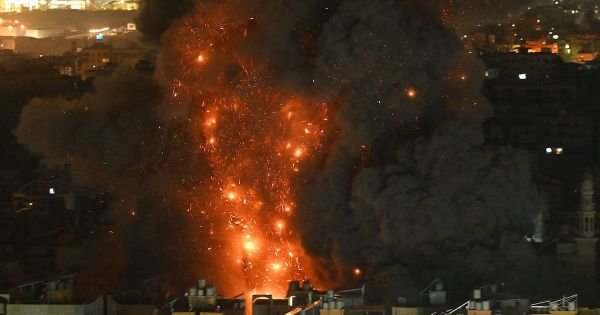
Iran broadens regional attacks as Israel launches new strikes on regime targets
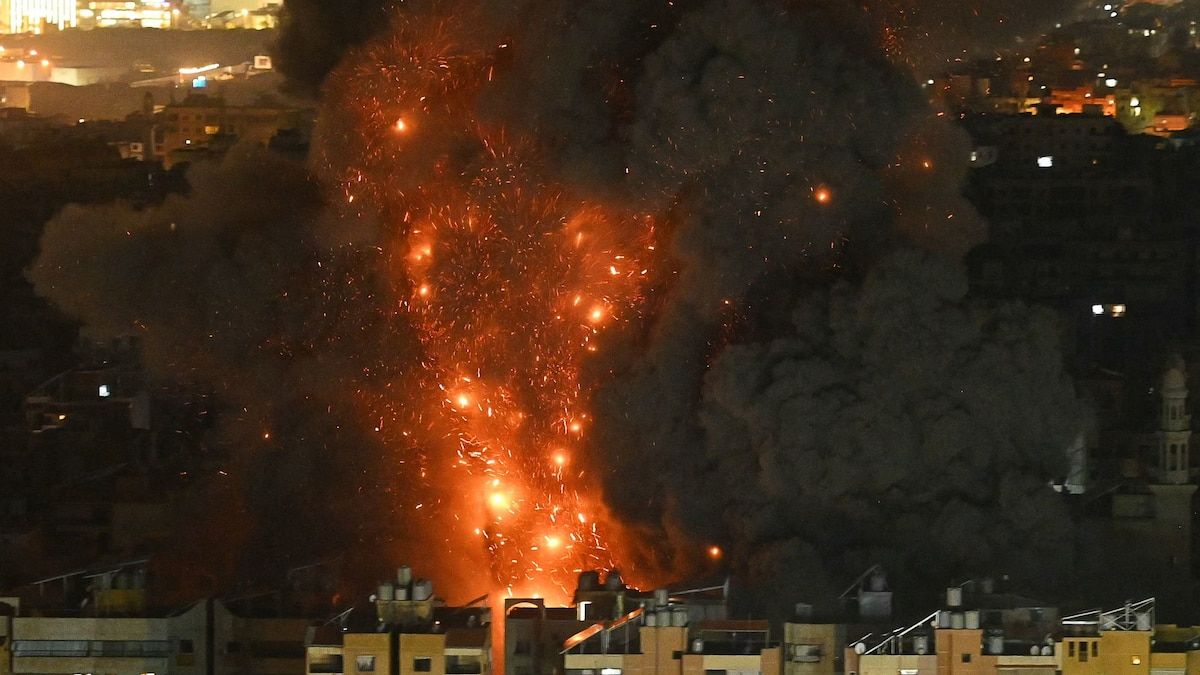
The conflict is also deepening the economic and military cost for Washington
The war involving Iran, Israel and the United States entered a broader regional phase on Thursday, with fresh Iranian attacks on energy infrastructure, shipping routes and military positions across Gulf states, while Israel responded with a new wave of strikes on Iranian territory. The escalation again tightened pressure on the Strait of Hormuz and pushed oil prices back above $100 a barrel.
Overnight, Iran launched further attacks on commercial shipping and crude transport assets in the region. The Associated Press reported that at least 19 commercial vessels have been damaged since the war began, with two ships struck near Basra in Iraq and another attacked off the coast of the United Arab Emirates. A separate strike also hit an oil platform off Saudi Arabia.
At the same time, Iranian military pressure spread across other Gulf locations. AP said attacks hit targets in the United Arab Emirates, Bahrain, Saudi Arabia, Kuwait and Iraq, in a strategy combining direct retaliation with economic pressure on regional energy infrastructure and maritime traffic.
Israel answered on Thursday with large-scale strikes across different parts of Iran after a new round of Iranian bombardment. According to AP’s reporting, the United States and Israel have intensified in recent days their air campaign against military facilities and strategic targets, with no clear sign of immediate de-escalation. The war began on Feb. 28 after a joint offensive against Iran and has since drawn in more actors across the region.
The conflict is also deepening the economic and military cost for Washington. The Pentagon told Congress that the first week of the war cost $11.3 billion, a figure that excludes some preparatory expenses, while AP said this week that about 140 U.S. troops have been wounded in the conflict.
The energy front remains one of the most sensitive variables. Continued attacks on shipping and oil infrastructure have disrupted exports from Iraq and sharply reduced traffic around Hormuz, through which a critical share of the world’s oil supply passes. That pressure was one of the factors behind the decision by the United States and other countries to release strategic oil reserves in an attempt to contain prices.
Now in its thirteenth day, the war is moving further away from a bilateral confrontation and increasingly taking shape as a broader regional crisis with military, energy and financial consequences.