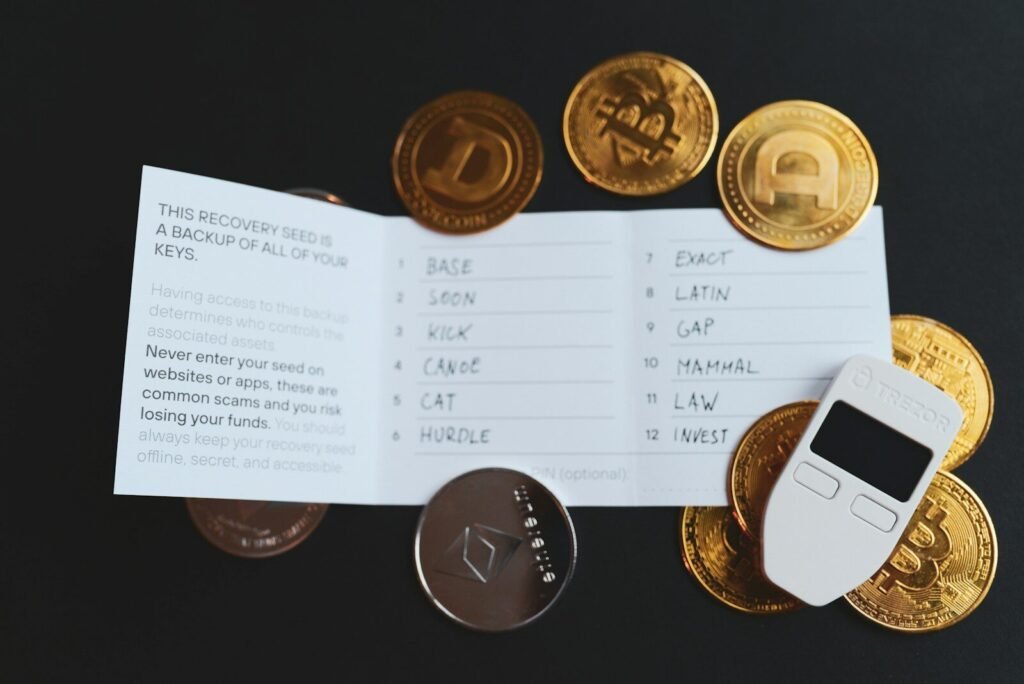
Why Gen Z Is Ditching Traditional Accounts for Crypto Wallets


There is a curious development in the way youths handle money. It is not dramatic or abrupt, but when you look at the figures and talk to people in their early twenties, you begin to see a pattern emerging: Gen Z is not developing the same relationship with banks as previous generations did.

They do not always oppose banks. They simply do not care about banks. Due to the lowered interest, crypto wallets and digital-first financial services are now becoming realistic and feasible, something that was still too early to imagine five years ago.

Is the Bank Account Becoming Obsolete?

To the majority over 35, a bank account was their first financial instrument. You opened one when you were a teenager, perhaps with a debit card, and it has remained the centre of your financial life for decades.

Gen Z doesn’t have the same attachment. They have all spent most of their lives watching their parents handle overdraft charges, perplexing terms and conditions, and customer service lines that kept them on hold for forty minutes. They experienced how the 2008 financial crisis transformed the lives of their families. They already had a weak trust in traditional institutions before they ever opened an account.

Then there were smartphones, app-first banking, and even crypto – and the question changed from “which bank do I use?” to “do I even need a bank?”


Wallets Are Doing What Banks Used to Do

This is where it becomes interesting. A modern crypto wallet is not simply a wallet to store Bitcoin. The modern ones are more of a complete financial centre, where you can make and receive payments, exchange currencies, spend money directly on a linked card, get yield on stablecoins, and transfer money between countries without having to pay a middleman a percentage.

To a freelancer who is paid in USDC or a gig worker who gets payments from different countries, this is no longer a niche use case anymore. It is simply a better way to manage money.

Sites such as CryptoManiaks have covered the evolution of crypto wallets through reviews, exploring their growing functionality in the real world, and how much is just a speculative investment instrument in the guise of a fintech product. Such clarity is important when the space is moving as fast as it does.

Crypto Does More Than You Think

Gen Z is actually using crypto in several different ways that people are not aware of. It is not only about purchasing Bitcoin and hoping the price increases. This is what is really going on:

None of them seems like a big deal in itself. However, when combined, you have a financial system that is more practical to a great many people, particularly the youth.

Why Stablecoins Matter More Than Bitcoin

Bitcoin has the hype, but it is actually stablecoins that people use daily. They move fast, work like code, and are pegged to the US dollar – therefore, no need to worry about wild price swings.

When someone says that they are paying with crypto, they usually mean USDC or USDT, rather than Bitcoin. That’s a key difference.

In certain metrics, transaction volumes of stablecoins have even surpassed those of Visa and Mastercard. However, much of that is bots and trades, not individuals purchasing coffee. In actual practice, it is applications such as transferring money across borders or freelance payment in particular that the speed and cost-saving benefits become irrefutable. This is where the change is taking place.

What This Means for Traditional Fintech

Banks and existing fintech firms are not idlers. Many large banks have some crypto exposure or are working on their own digital wallets. Crypto is supported by PayPal and Revolut. Visa and Mastercard are both currently operating pilot programs for stablecoin settlement.

The question is not whether traditional finance will enter this space or not – it already has. What is more interesting is whether the banks who based their value on being the trusted custodian of your money can compete with tools that eliminate the need for a custodian.

That may be abstract to the average person. It makes sense to a 22-year-old who has never had to rely on a bank in order to execute things better achieved with a crypto wallet.


The Risks Are Still Real

All this does not mean that crypto wallets are flawless or that this overall change should be adopted by everyone. Self-custody means that once you lose your seed phrase, you lose your money, and there is no call centre to contact. The regulatory clarity in a majority of countries is still being formed, making it unpredictable to anyone who builds a serious financial infrastructure on top of crypto.

Bad platforms and scammers remain a reality, and due diligence is more important than ever, considering how fast new products are being introduced. Every person who puts any meaningful money into crypto wallets must know what they are using and why.

Accepting the risks does not mean rejecting the trend. The instruments are improving, the infrastructure is growing, and the generation that will fuel consumer finance over the next four decades is already developing habits that do not revolve around a bank branch.


Source link

Leave a Reply

Translate »
Share via
Copy link