Trump sharpens criticism of NATO after allies refuse to join Hormuz mission
The refusals further exposed Washington’s diplomatic isolation in a war now entering its third week and already pushing oil above US$100 a barrel
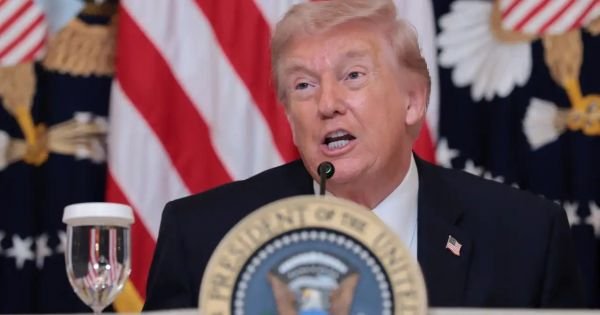
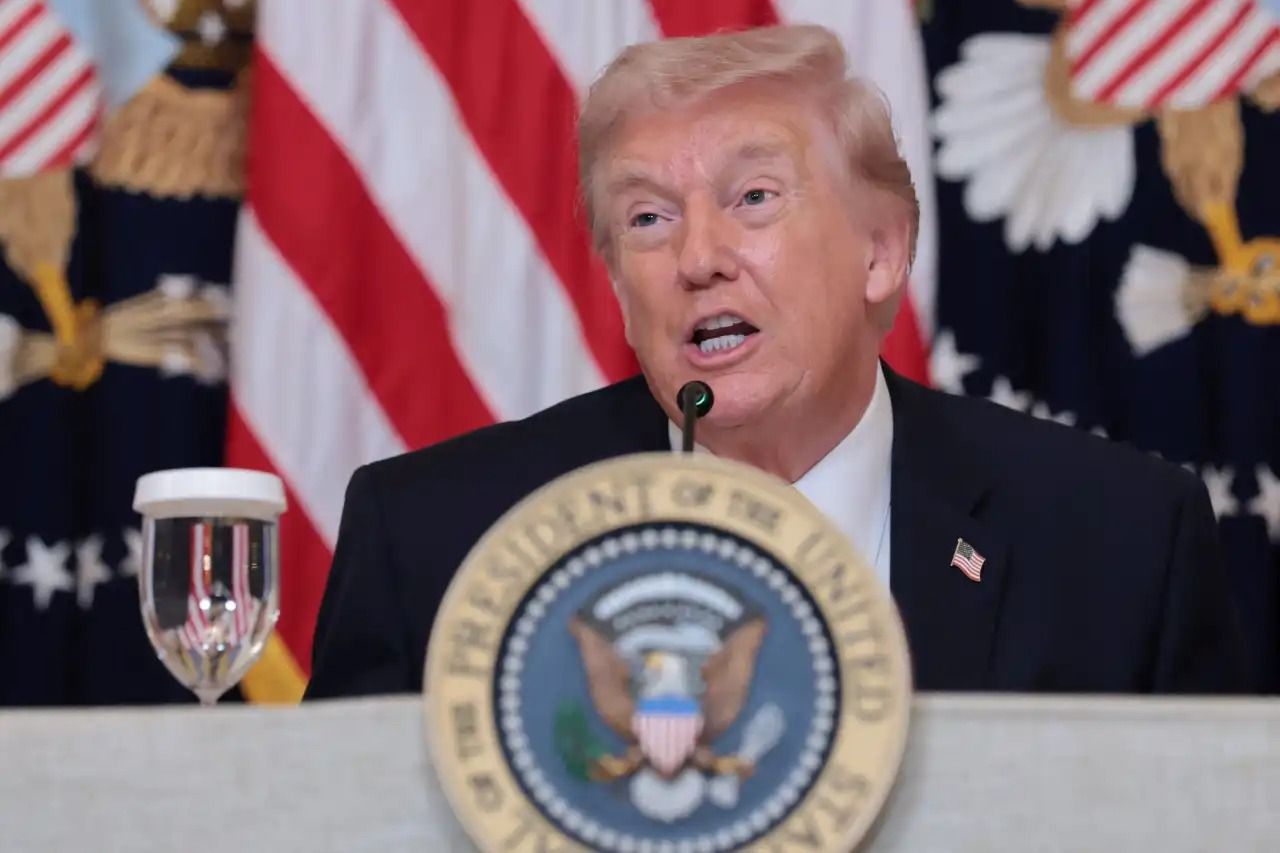
U.S. President Donald Trump escalated his criticism of NATO and other allies on Tuesday after most of them rejected his request to send ships to help secure the Strait of Hormuz, the key waterway for Gulf energy exports. Speaking alongside Irish Prime Minister Micheál Martin, Trump called the refusal “a very foolish mistake” while also insisting Washington could proceed alone: “We don’t need help, actually.”
Trump had been pressing since the weekend for several countries to join a coalition to patrol or help reopen the route, which Iran has partially closed with mines, drones and missiles in retaliation for the U.S.-Israeli offensive. He said he had asked about seven countries for support and argued that the disruption was hurting much of the global economy, especially Asian and European states more reliant on that oil flow.
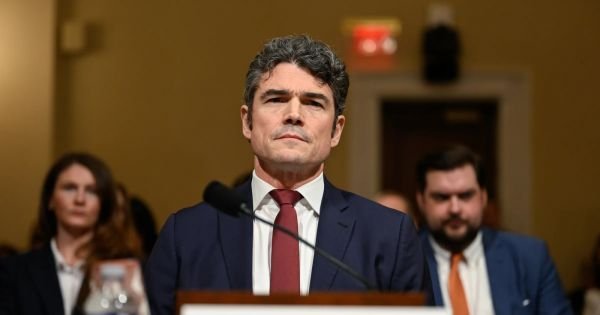
The response from allies was mostly negative or noncommittal. Germany repeated that the war “has nothing to do with NATO” and said it had no plans to be drawn into it; Spain ruled out participation in military operations in Hormuz; France said it would not take part in any effort to reopen the strait while hostilities continue; and other European partners stressed that the Atlantic alliance is defensive and should not be pulled into a war launched without prior consultation of its members.
The refusals further exposed Washington’s diplomatic isolation in a war now entering its third week and already pushing oil above US$100 a barrel. Trump reacted with a mix of anger and defiance, saying the United States would remember who declined to help and posting on Truth Social that the country had “never” needed NATO. Even so, he did not announce any immediate retaliation against governments that turned him down.
The dispute is not only about military burden-sharing. In Europe, several governments are demanding a clearer definition of Trump’s war aims before committing naval assets, while the European Union is exploring diplomatic or international mechanisms to preserve navigation without becoming part of the offensive. For now, the prevailing allied position remains that the Strait of Hormuz should stay open, but not at the cost of direct entry into Washington’s campaign against Iran.