Netanyahu hints a ground phase may be needed as Iran war hits Gulf energy infrastructure

Netanyahu made the remarks at a press conference in Jerusalem, where he also said Iran no longer has the ability to enrich uranium or produce ballistic missiles, although he offered no evidence
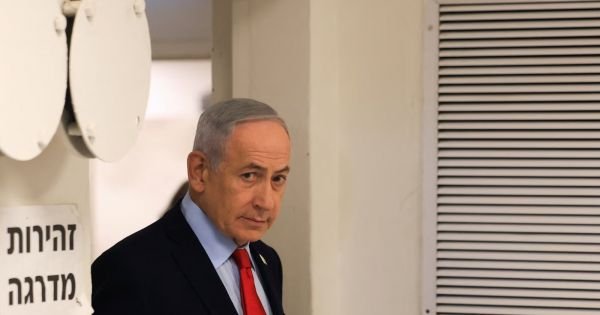
Israeli Prime Minister Benjamin Netanyahu suggested on Thursday that an air campaign alone would not be enough to bring down Iran’s regime, as the conflict entered a new phase marked by strikes on Gulf energy facilities and renewed warnings over the Strait of Hormuz.
Netanyahu made the remarks at a press conference in Jerusalem, where he also said Iran no longer has the ability to enrich uranium or produce ballistic missiles, although he offered no public evidence for that claim. Netanyahu said, at President Donald Trump’s request, Israel would refrain from carrying out further strikes on the South Pars gas field.
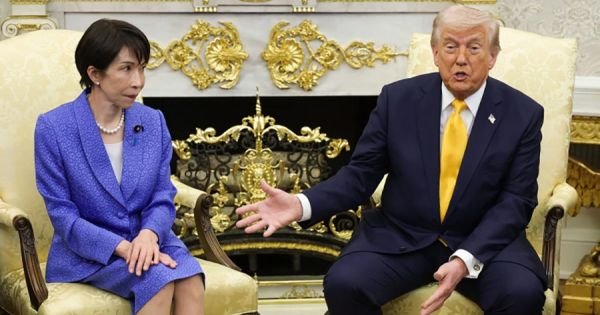
Trump, speaking at the White House, said the war could be over “pretty soon” and acknowledged that he had expected oil prices to rise and the economy to weaken somewhat as a result of the conflict. He made the remarks during an event with Japanese Prime Minister Sanae Takaichi.
On the ground, Iran stepped up attacks on oil and gas infrastructure in Gulf Arab states in retaliation for Israel’s strike on South Pars, the Iranian section of the world’s largest gas field, which it shares with Qatar. Iranian strikes hit Qatari liquefied natural gas facilities, a refinery in Kuwait, another in Saudi Arabia and caused minor damage at an Israeli refinery. EFE added that Qatar reported “extensive damage” at Ras Laffan, the emirate’s main LNG complex.
The escalation immediately hit energy markets. Brent crude briefly rose above $119 a barrel, more than 60% above its level before the war began, while Europe’s benchmark natural gas price also climbed sharply.
At the same time, NATO Secretary General Mark Rutte said allies were engaged in “intense discussions” on how to respond to Iran’s blockade of the Strait of Hormuz. Rutte stressed that the waterway “has to open up again as soon as possible” because of its importance to the global economy.