Paraguay and Germany seek to deepen trade ties under EU-Mercosur agreement
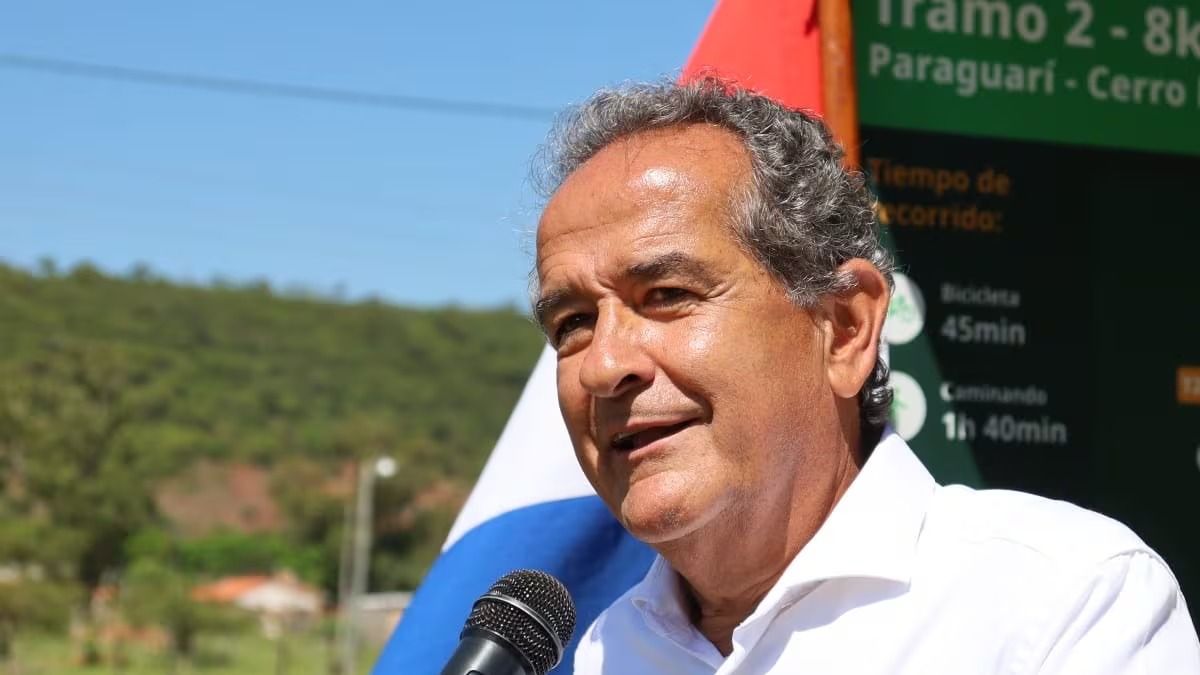
We have very good relations with Paraguay — everything is in place to work very well here, Herrera said.
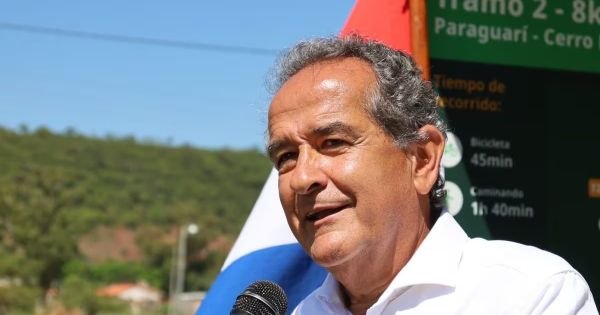
Relations between Paraguay and Germany are at a positive juncture, with prospects for growth in trade, investment and tourism, according to German Deputy Ambassador in Asunción Jörg Herrera, in an interview with state broadcaster Paraguay TV.
We have very good relations with Paraguay — everything is in place to work very well here, Herrera said. The diplomat noted that while German investments in the country are currently limited, they could increase with the consolidation of the agreement between the European Union and Mercosur. Doors will open on both sides so that trade becomes larger and more intensive, he said.
The interim trade agreement between both blocs was signed on January 17 in Asunción and ratified by Paraguay’s Congress on March 17, after Argentina, Uruguay and Brazil completed their respective legislative approvals. The European Commission announced in late February the provisional application of the agreement’s trade pillar, which could take effect as early as May. The European Parliament, however, has referred the instrument to the EU Court of Justice to assess its compatibility with EU law, a process that could take up to two years.
If fully implemented, the pact will create the world’s largest free-trade area, covering a market of more than 700 million people. Germany, the EU’s largest economy, has endorsed the agreement and views it as a signal of European strategic sovereignty amid growing global trade uncertainty.
Herrera criticised the use of tariffs in international trade, arguing they raise prices for consumers and hinder development, and highlighted the European free trade model as an example of beneficial integration.
On tourism, the deputy ambassador highlighted Paraguay’s potential in the ecological segment, increasingly sought after by European travellers. He said that with improved infrastructure and air connectivity, the country could position itself as an attractive destination for German tourists interested in sustainable experiences. Paraguay has a very good strategic location, he noted.
The diplomat recalled that ties between the two countries have deep historical roots, shaped by successive waves of German migration over the past 200 years, with a particularly notable presence of Mennonite communities in the Chaco region.
Regarding bilateral cooperation, Herrera explained that German support is in a transitional phase due to Paraguay’s own economic growth, although projects run by GIZ and the government development bank KfW remain active. The embassy also funds microprojects of up to $20,000 in indigenous communities and rural areas. For us it may be a microproject, but for the people it makes a big difference, he said.