Falklands, Darwin Plus funds to restore ecosystem of ravaged New Island by invasive mammals
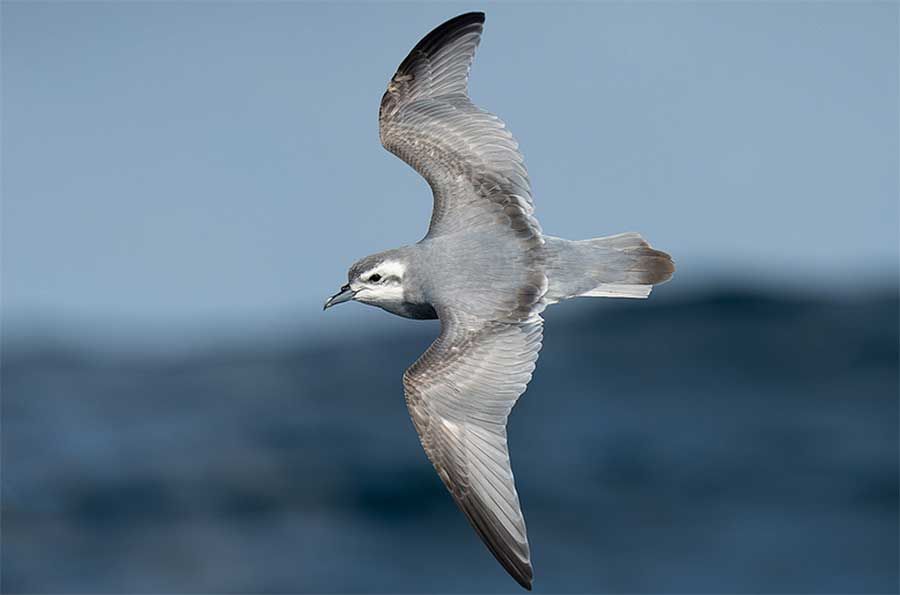
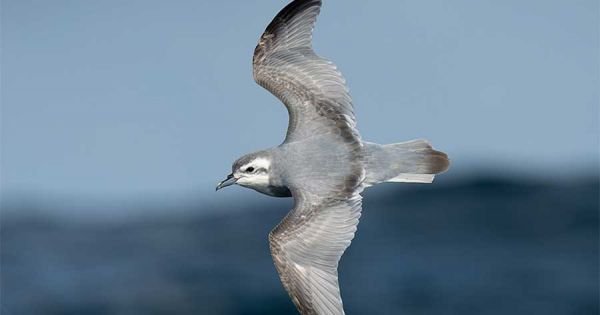
New Island is home to millions of seabirds, including the world’s largest colony of Slender-billed Prions, a species of petrel found in the Southern Oceans.
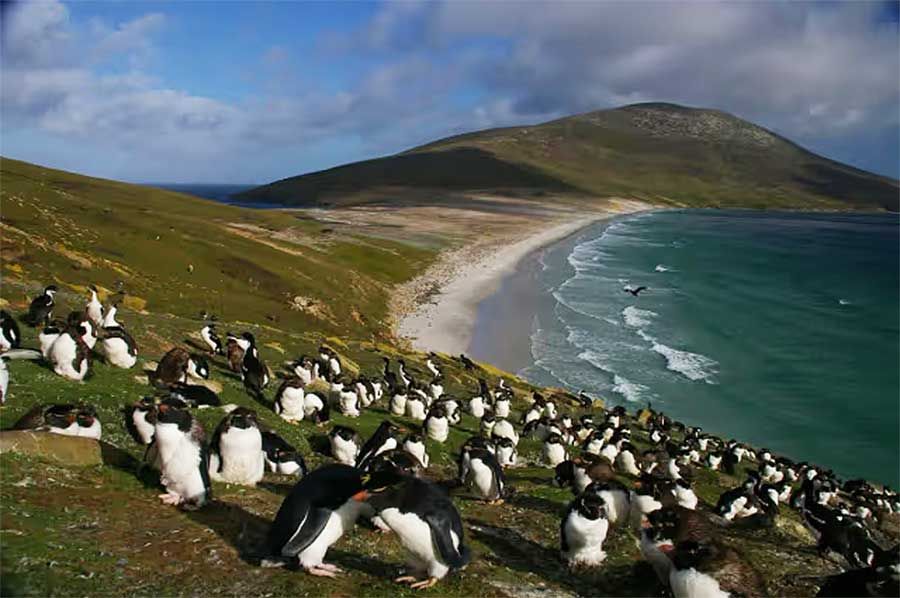
Falklands Conservation recently secured a £3m fund to help restore the natural ecosystem on New Island. The funding came through the Darwin Plus scheme, run by the UK Government to support biodiversity in British Overseas Territories. The ambitious restoration project on New Island, one of the region’s wildest western outposts is to remove invasive predators that have put the island’s native species at risk.
If successful, New Island could become a model for large-scale ecosystem recovery across the Falklands.
New Island’s nature reserve is considered one of the most spectacular in the Falkland Islands archipelago, it is home to millions of seabirds, including the world’s largest colony of Slender-billed Prions, a species of petrel found in the Southern Oceans. The island also boasts breeding populations of three species of penguin, and the Black-browed Albatross. New Island operates as a wildlife reserve and a scientific research center, and is managed by the charity Falklands Conservation.
However, the Slender-billed Prions and other New Island wildlife are under threat from four different invasive species: feral cats, black rats, mice, and rabbits. These species were introduced to the island by accident in the past 200 years, by whalers and sealers. Because this island ecosystem developed without these species, the island’s endemic wildlife is very sensitive to disturbance, besides erosion on the island is also a significant issue, in part due to climate change, but this is also exacerbated by these invasive mammals.
Thanks to a successful £3m application for Darwin Plus funding, the fortunes of these species could change and become more secure. The new funding gives the means to start an ambitious program until 2029 to conserve New Island, restoring the whole island’s ecosystem
Removing these invasive target species will also lead to a range of other benefits, including restoring the natural habitats of the island, stabilizing the soils, and storing carbon, which can help mitigate the effects of climate change, protecting the site for many years to come.
The funding for this program besides Darwin Plus, is in a partnership with the Falkland Islands Government, Falklands Conservation and the Royal Society for the Protection of Birds, RSPB. New Island was run from 1996 to 2020 by the New Island Conservation Trust and Falklands Conservation, once the Trust merged with them,
Ross James, Biosecurity, and Invasives Manager at Falklands Conservation said: “This program offers a rare opportunity to reverse long-term ecological damage on one of the Falklands’ most important wildlife islands. While the work is complex and challenging, the potential rewards in terms of biodiversity recovery and ecosystem resilience are extraordinary.
“If successful, the benefits would extend well beyond New Island itself, helping to restore the natural links between seabirds, the land and the surrounding marine environment.”
Ross added that over the last firty years a lot has been done to protect the wildlife, but having said that, for the last 200 years there has been introduced mammals, which have been having impacts through out that entire time on the ecosystem.. “It gives us a real opportunity to begin to turn the clock back and start restoring the ecosystem” We don’t expect to see recovery in just one species but in all the brids and animals that live in New Island”
Mike Jervois, Head of Environment for the Falklands Government said that “we have been involved in research permits, licensing, for various things under the conservation ordinance…, but that is the easy stuff, now starts the hard work in establishing the operation, getting all the specialists that are needed”
Ross points out that it’s not the first time that work of this magnitude has taken place, and there are plenty of example that Falklands Conservation can draw upon, “In the Falklands there have been quite a few, so there’s a lot of great experience for us to draw from, a lot of people that can help make sure we are doing this the best way possible and one of the key questions will be ensuring that the work done to restore the New Island ecosystem is not reverses in the future”