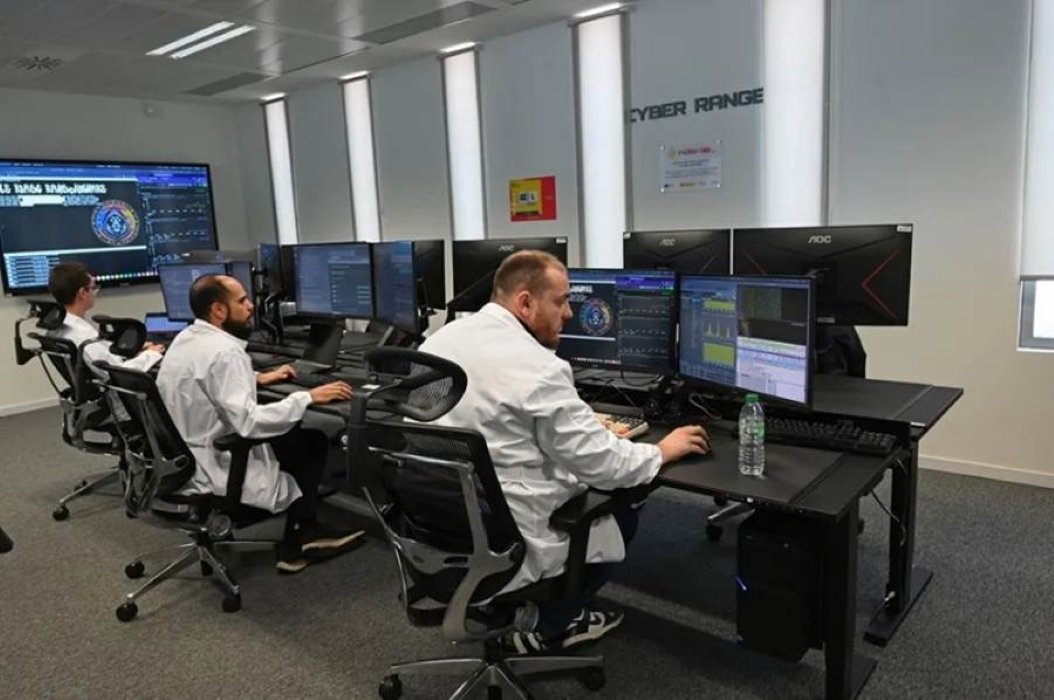
Mexico is now Latin America’s primary cyber target, highlighting a broader regional vulnerability. As economies rapidly digitize without adequate defenses, weak suppliers, human error, and AI-driven scams pose threats to companies, institutions, and public trust.
A Digital Giant with Uneven Armor
Mexico’s cyber challenges have moved beyond IT departments and compliance teams. They now represent a significant political and economic warning for Latin America, illustrating the risks of rapid modernization without adequate protection. According to Wired en Español, citing the Organization of American States, Mexico accounts for over 30% of reported cybersecurity incidents in the region. This is a regional concern, not a minor technical issue. The primary issue is structural, not just the increasing sophistication of attackers. Over 80% of national organizations report significant gaps in their protection protocols, according to the National Institute for Transparency, Access to Information and Personal Data Protection. As Mexico’s digital footprint grows, so does its exposure, without a corresponding defensive culture. In a highly transactional environment, this gap is a national vulnerability, not just a business risk.
Wired highlights the core issue of inequality in the digital economy. While large corporations may implement global standards, many surrounding suppliers, logistics firms, legal offices, and technology contractors lack adequate controls. This disparity weakens the overall system. Mexico’s digital economy is interconnected, but many segments remain insufficiently protected.
Maximiliano Amor, CEO of LemonSuite, told Wired en Español that this disparity makes medium-sized companies the weakest link in the supply chain. This issue extends beyond Mexico and reflects a broader Latin American trend. While the region emphasizes digital growth, it often overlooks the uneven distribution of security capabilities. Well-protected large firms may coexist with many vulnerable smaller companies, which criminals readily exploit.

The Supply Chain Is Now a Political Frontier
A key point is that cybersecurity is now a collective concern. An attack on a single supplier, such as a law office or logistics company, can quickly impact multiple corporate clients. Amor describes this as systemic risk, in which a single breach can affect many organizations. In Mexico and across Latin America, digital insecurity now resembles an infrastructure challenge, with vulnerabilities spreading throughout entire networks.
This shift redefines responsibility. Many firms previously viewed data protection as a compliance task to satisfy regulators. Wired’s reporting makes clear that this approach is outdated. Information protection is now essential for business continuity. If third parties are breached, your organization may still suffer the consequences.
This is a critical lesson for Latin America, where economies often rely on subcontracting, informal practices, and inconsistent technological upgrades. While countries seek digital growth, many assume resilience is only needed at the top. Mexico’s experience demonstrates that the entire network is only as secure as its most vulnerable firms.
The financial argument is clear. Wired notes that remediation, including operational disruptions, forensic audits, and crisis management, is far more costly than prevention. Amor emphasizes that correction always costs less than prevention. This should concern both policymakers and executives. In Latin America, delayed investment in cybersecurity often leads to higher costs after incidents occur.
Mexico’s prominence in the cyber landscape has regional implications. As one of Latin America’s largest and most digitally active economies, Mexico often experiences risks that neighboring countries will soon face. While Mexico currently accounts for over 30% of reported incidents, other countries may soon face similar challenges if they do not strengthen oversight and institutional capacity.

AI Is Making the Old Warnings Obsolete
The text highlights a new threat: by 2026, generative artificial intelligence will be used by cybercriminals. Phishing and deepfakes are now highly realistic, making traditional security advice less effective. This shift blurs the line between genuine and manipulated communication, so organizations can no longer depend on casual vigilance.
The article cautions against panic. Amor told Wired that artificial intelligence should not be demonized, as it is also a powerful defensive tool. LemonTech uses AI to analyze data and detect anomalies in real time. However, the article stresses that full autonomy is neither realistic nor desirable. AI can support and alert, but it cannot replace human judgment in decisions with legal or ethical implications. Responsibility must remain human, traceable, and auditable.
This point is especially relevant in Latin America, where enthusiasm for technology often outpaces institutional trust. The region needs not only advanced tools but also accountable systems. Cybersecurity must remain an area where responsibility is clear and decisions are traceable.
This logic extends to workplace culture. Wired notes that certifications alone are insufficient without a supportive organizational culture. Human error remains the leading vulnerability. Mature companies now treat training as a measurable performance metric, tracking indicators such as reduced clicks during simulated attacks and faster vulnerability reporting. Security is becoming ingrained in organizations.
For Latin America, the key lesson from Mexico’s experience is that cybersecurity is not only about preventing criminal activity. It is about ensuring that digital growth is matched by investment in trust, discipline, and shared responsibility. Mexico’s situation highlights the need for the entire region to prioritize prevention as a fundamental aspect of modern sovereignty.
Also Read:
Mexico’s Psychedelic Crossroads: Implications for the Future of Latin America’s Drug Policy