Venezuelan crude is flowing back into the United States, but cheaper gasoline remains out of reach. The gap between tanker optimism, refinery economics, and everyday pain at the pump reveals how oil power still obeys world markets more than political theater.
A Tanker Full of Political Meaning
The Minerva Gloria arrives like a floating argument.
Docked in the Mississippi Sound near the vast oil reserves of the Gulf of Mexico, the ship carries 400,000 barrels of Venezuelan crude, a cargo the BBC reports would have been impossible to bring into the United States just six months earlier. In the story as the BBC tells it, that reversal follows the collapse of one political order, the lifting of a barrier that had blocked imports, and a renewed American appetite for the world’s largest oil reserves.
That matters beyond the wharf. In Latin America, oil is never just oil. It is always also sovereignty, dependency, bargaining power, humiliation, fantasy, and survival, sometimes all at once. So when Venezuelan crude begins flowing again toward the United States, this is not merely a market adjustment. It is a reminder that the region’s buried wealth is still pulled into other countries’ emergencies, speeches, and promises to consumers.
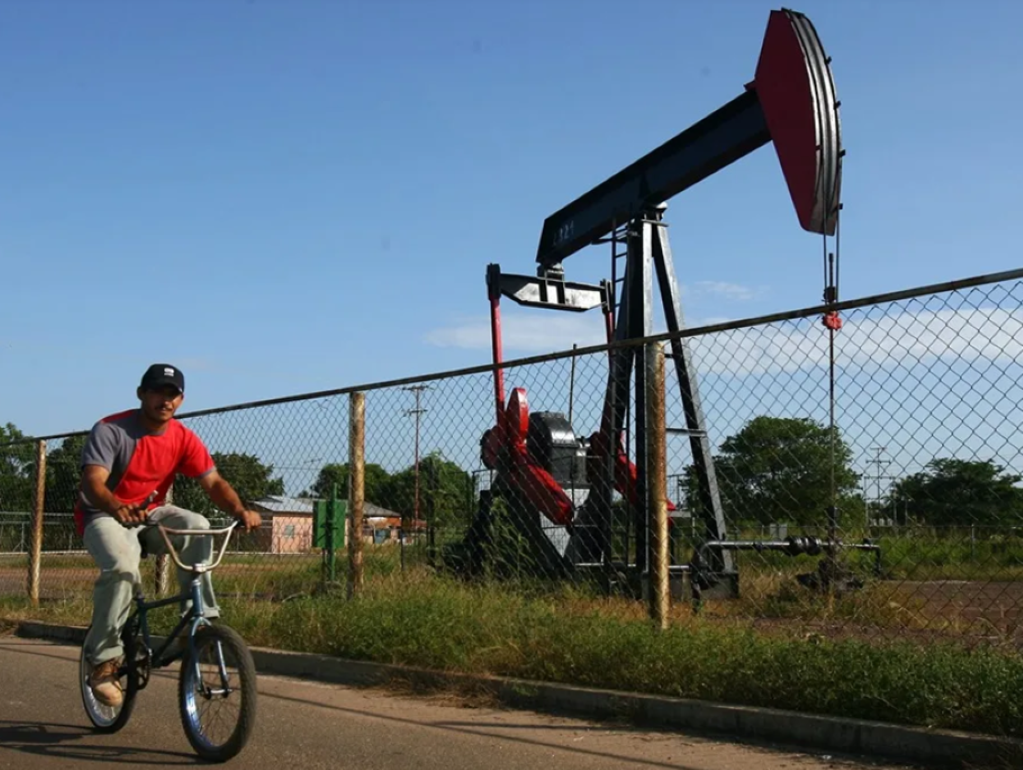
The BBC notes that Venezuela’s exports had dropped significantly under former president Nicholas Maduro, with a lack of investment contributing to the decline and U.S. sanctions doing the rest. Then came a sudden political rupture. President Donald Trump, according to the report, vowed to tap Venezuelan reserves after the United States military captured Maduro in a surprise nighttime raid in January. The language of the moment is pure power. Seize the obstacle, reopen the flow, feed the market.
And the flow has returned. In March, Venezuela’s monthly crude exports passed one million barrels per day for the first time since September, the BBC reports. The timing matters because it arrives as the world is already rattled by higher energy prices stemming from Iran’s blockage of the Strait of Hormuz. In other words, Venezuelan crude reenters the picture not in calm weather, but in a storm, exactly the kind of moment when a resource-rich Latin American country becomes newly legible to foreign strategy.
That is the deeper pulse of the story. The barrel travels north. So does the logic that the region exists as a reserve, backup, or relief valve. The promise is familiar. More supply, more security, lower prices. The problem is that this promise usually sounds cleaner from a podium than it does at a gas station.
Where Heavy Crude Meets Heavy Expectations
At Chevron’s refinery in Pascagoula, Mississippi, Venezuelan oil is not an abstraction. It is a technical fit.
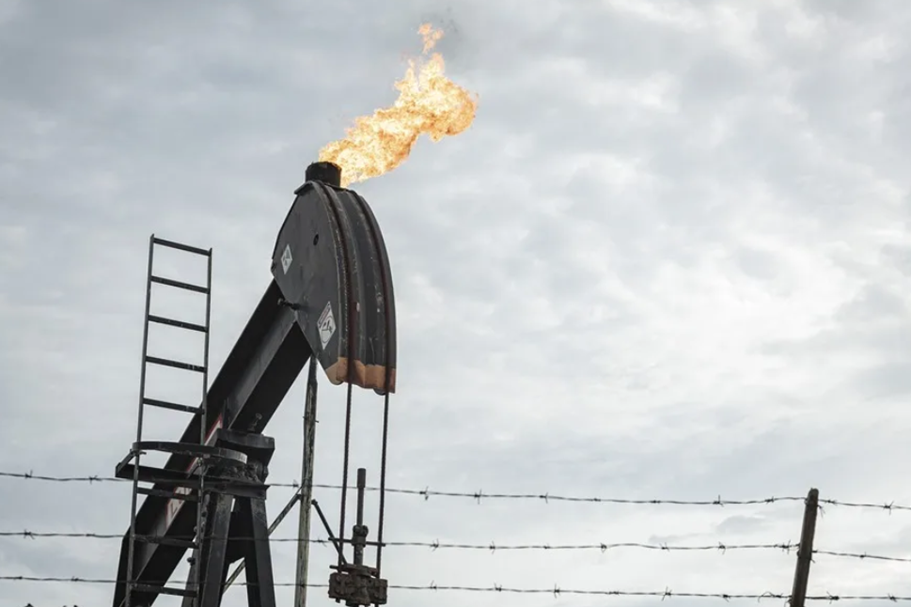
In interviews with the BBC, Tim Potter, the director of the refinery, says the return of Venezuelan crude is a big deal not only for Chevron but for the entire Gulf region. He also says the refinery was designed and invested in to run heavy oils like those from Venezuela. That is the practical backbone of the whole plan. Venezuelan crude is not just available. It matches machinery already built to digest it.
The BBC explains why that matters. Venezuelan crude is relatively cheap because it is difficult to process. It is heavy, thick, dark, and high in sulfur, a sour oil. Yet that difficulty is precisely what gives it value for refineries equipped for it. Chevron can extract Venezuelan oil, process it, and deliver it directly to American consumers. This is vertical integration dressed in geopolitical urgency.
Andy Walz, Chevron’s president of downstream, midstream and chemicals, tells the BBC that the company now imports the equivalent of two hundred and fifty thousand barrels per day on average and believes it can raise that by another fifty percent, reaching somewhere around three hundred and fifty thousand to four hundred thousand barrels per day from Chevron’s share of its position in Venezuela. That phrase, position in Venezuela, carries more weight than it first appears to. It suggests that access is not only about commerce. It is also about presence, leverage, and control over a strategic relationship.
The economics behind it are clear in the report. Chevron is the only major United States oil company currently operating in Venezuela. Still, it is not the only refiner in the United States that benefits from heavy crude. There are one hundred and thirty-two refineries in the country, and nearly seventy percent of refining capacity runs most efficiently with heavier crude. The United States imports very little oil from the Middle East, roughly eight percent in two thousand twenty five, according to the BBC account. So Venezuelan barrels do more than fill tankers. They help plug a structural need inside the American refining system.
This is where the story stops being simple patriotism and starts looking like the old petroleum web again. A country can boast that it is the number one producer of oil and gas on the planet, as Trump does in the BBC report, and still depend on the particular texture, chemistry, and pricing of someone else’s crude. Oil power is rarely self-contained. It is built on networks of need.
At the Pump, Reality Wins Again
A few miles from the refinery, the story hardens.
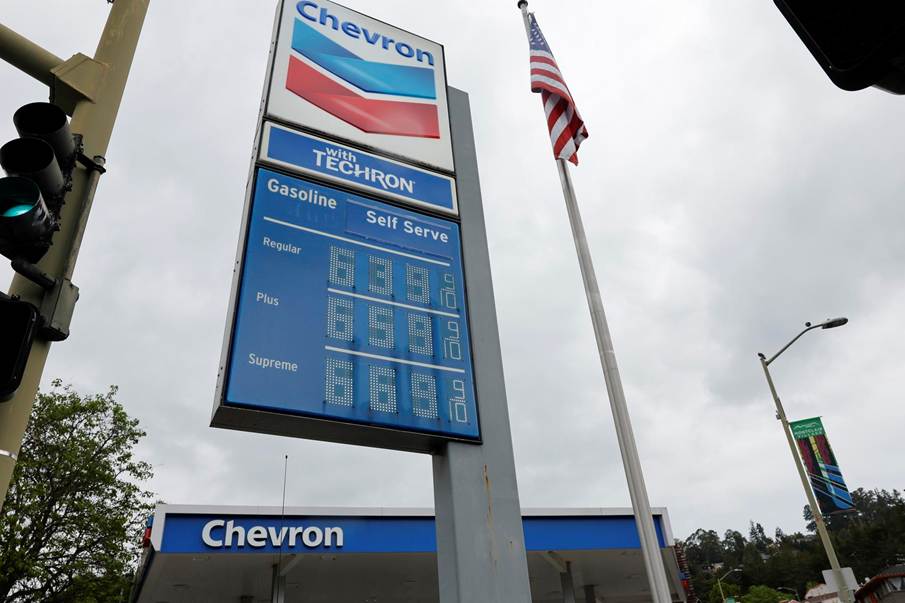
At a Chevron fuel station, the BBC finds no immediate consumer reward for all that new supply. Prices at the pumps continue to rise. David McQueen, a retired Vietnam veteran living on social security, tells the BBC flatly that he hates it. The price has got to go down, he says, because he is going down with it. Another driver, Donna, says she is driving less and spending less on other things. Her grandchildren live a few hours away, but she sees them less often because fuel has become too costly. You gotta do what you gotta do, she tells the BBC.
That is the sentence that stays with you. Not the tanker. Not the refinery. Not the presidential boast. That one. Because it is the sound of oil politics landing in ordinary life.
The average price for a gallon of gasoline in that part of Mississippi is still cheaper than the national average, according to the American Automobile Association. Still, the BBC notes that before the war in Iran, gas was almost one dollar cheaper. That is the trap. Local supply may improve. Nearby refineries may hum. Millions of barrels may move. Yet the price still responds to world markets.
Potter says exactly that in his BBC interview. Even when crude is available to the refinery due to a relatively local supply, he says, overall pricing has gone up because it is based on world markets. Walz insists that when things return to normal, the additional supply from Venezuela will translate to lower prices for Americans. Maybe it will. The report leaves that possibility open. But not now. Not where the money changes hands.
And that, finally, is what gives this story its real shape. Venezuelan oil can be reopened, rerouted, refined, and celebrated. However, it still cannot be commanded into social relief on demand. The distance between resource wealth and daily comfort remains stubborn. In that distance sits the old lesson, one Latin America knows by heart. Extraction can move fast. Benefit moves more slowly. Sometimes it barely arrives at all.
Also Read:
Brazil’s Free Cooking Gas Dream Faces a Harsh Election-Year Squeeze