Argentina approves glacier law reform, opens previously protected areas to mining
The new law amends Law 26,639, in force since 2010, and introduces a fundamental shift: only glaciers that serve a proven hydrological function will retain full protection
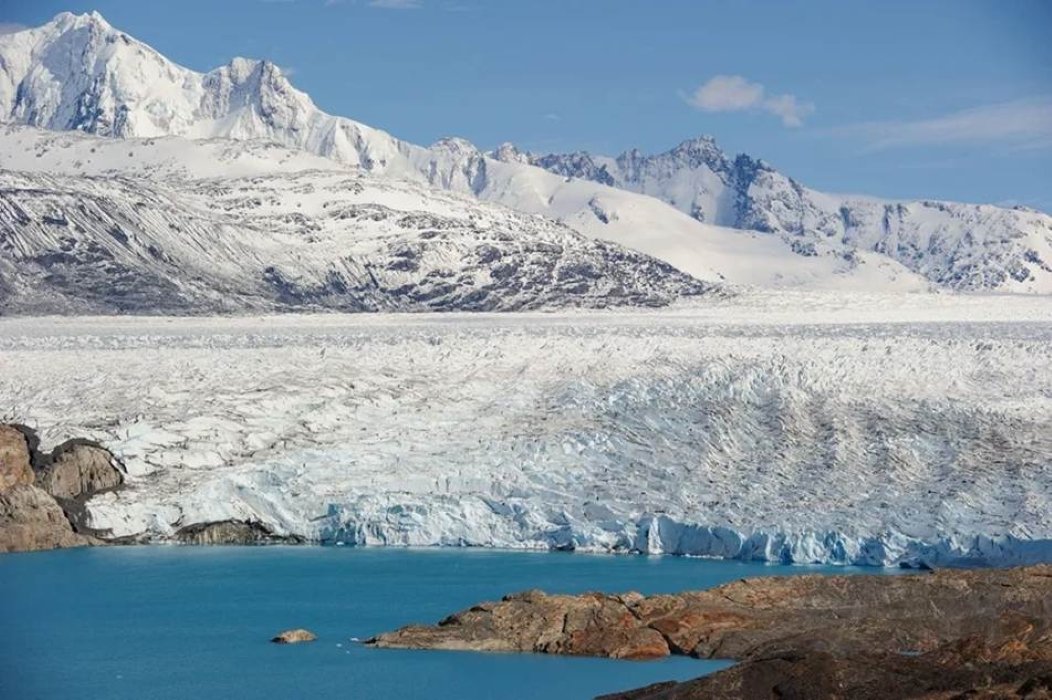
Argentina’s Chamber of Deputies passed a reform of the National Glacier Law in the early hours of Thursday, an initiative pushed by President Javier Milei’s government that reduces the scope of environmental protections in the Andean cordillera and opens previously restricted areas to mining. The vote was 137 in favor, 111 against and 3 abstentions, after more than eleven hours of debate in a special session. The bill had already been approved by the Senate.
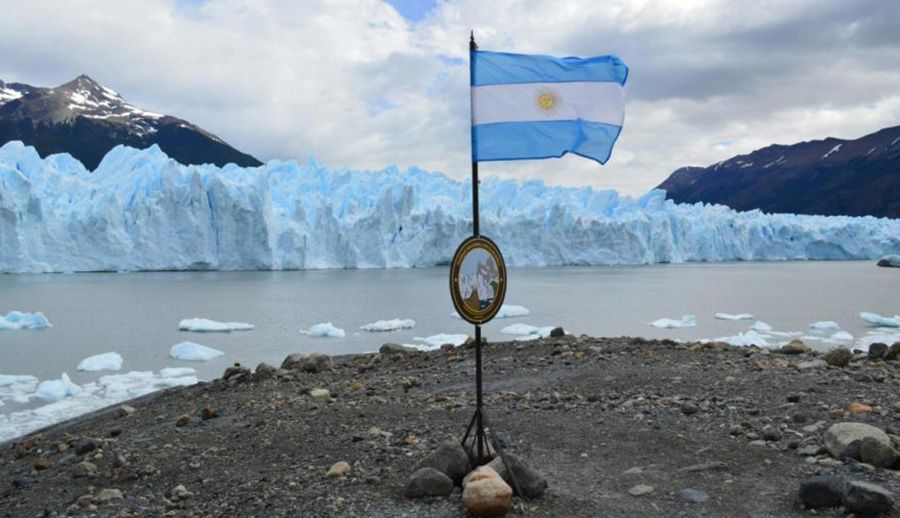
The new law amends Law 26,639, in force since 2010, and introduces a fundamental shift: only glaciers that serve a proven hydrological function will retain full protection. The periglacial environment — permafrost formations and smaller ice bodies surrounding glaciers — is excluded from the category of strategic water reserves and loses the automatic protection granted under the previous legislation. Its safeguarding will depend on technical studies assessed on a case-by-case basis.
Another central element of the reform is the transfer of authority to provincial governments. Local jurisdictions assume the power to determine which formations are included in the National Glacier Inventory and which may be opened to extractive activities, as well as control over environmental impact assessments. The Argentine Institute of Snow Research, Glaciology and Environmental Sciences (Ianigla) retains ownership of the technical registry, but its role is now subordinate to provincial decisions.
The text includes a precautionary principle: all ice bodies currently in the inventory will remain protected until the competent authority verifies the absence of hydrological functions. However, the law also establishes that any delays by Ianigla in updating the inventory will not affect the validity of authorizations granted by provinces.
The government hailed the approval as a historic reform and specifically thanked the governors of San Juan, Catamarca, Jujuy, Salta and Mendoza — the five provinces with the greatest mining potential in the cordillera. The Office of the President stated that the law would allow the exploitation of minerals in areas that were wrongly classified as glaciers. According to official data from the Mining Secretariat, Argentina holds estimated copper reserves of 17.1 million metric tons, equivalent to 9.2% of Chile’s reserves.
Roberto Cacciola, president of the Argentine Mining Companies Chamber (CAEM), had defended the reform at a public hearing before Congress: This is not about choosing between the environment and development, but about having both. A better-designed law with clear technical criteria, greater provincial participation and effective oversight can achieve that balance.
The opposition firmly rejected the bill. Lawmaker Maximiliano Ferraro of the Civic Coalition called the reform entirely regressive and unconstitutional. Miguel Ángel Pichetto of Encuentro Federal voted against it, noting he had participated in passing the original law in 2010. From the Unión por la Patria bloc, Córdoba representative Gabriela Estévez warned: If we hand over our glaciers for exploitation, what will be left for future generations?
Environmental organizations protested outside Congress during the debate. Greenpeace activists displayed banners urging lawmakers to reject the reform. Glaciology experts have warned that reducing protected areas could have irreversible impacts on Andean water basins that supply millions of people in provinces such as San Juan and Mendoza. Presidential Secretary General Karina Milei watched the final stretch of the debate from the chamber’s gallery.