As a new multinational force arrives in Haiti, thousands of armed children stand between a security crackdown and any hope of peace. The deeper story is not only gang control, but how hunger, homelessness, and abandonment keep feeding the gun.
When Security Meets a Stolen Childhood
The next confrontation in Haiti may not look like an army facing another army. It may look like foreign police and soldiers stepping into a street and finding a child there first.
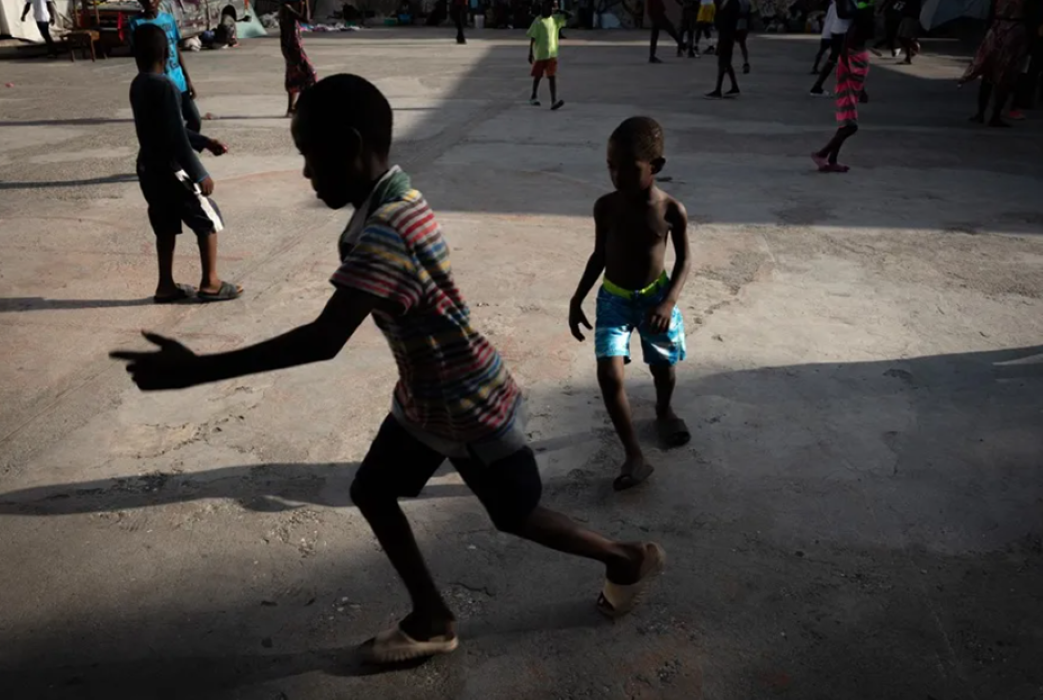
That is the hardest fact in the new phase of Haiti’s crisis. As a multinational force gathers, children are not on the margins of the violence. They are inside it. Experts estimate that children make up about half of the armed groups in the country. The latest report from the UN secretary general on children and armed conflict says that in 2024 alone, at least 302 children were recruited and used by gangs across Port-au-Prince, most of them in combat roles. UNICEF says gangs drew in 200 percent more boys and girls in 2025.
Those numbers are not just alarming. They change the meaning of the entire security debate. Haiti is no longer confronting only criminal organizations, however brutal they may be. It is confronting a generation being absorbed into those organizations while the country’s institutions keep thinning out around them.
The text offers a brutal image of that reality. During a gang attack in Artibonite that left dozens dead, one video appeared to show a round-cheeked boy waving a rifle and mugging for the camera while an older man fired into the distance behind him. It is the kind of image that should stop any easy talk about restoring order. Order, in Haiti now, is not arriving in a vacuum. It is arriving in a landscape where childhood itself has become militarized, performed, and filmed.
At the same time, the first installment of the new Gang Suppression Force reinforcements has arrived. The force, authorized by the UN Security Council, is expected eventually to field about 5,500 personnel working alongside Haiti’s police and armed forces. UNICEF’s Haiti operations head, Geeta Narayan, put the hope plainly. With the new operations, she said, many children may be exiting gangs, and UNICEF very much hopes they will not be casualties.
That sentence captures the entire dilemma. The force is being sent to dismantle armed groups, but the armed groups are full of children. So this is not simply a question of tactical success. It is a test of whether a security intervention can recognize the difference between a child carrying a weapon and an adult architect of the war that the child has been pulled into.
The Gangs Are Selling Belongings
To understand why so many Haitian children have ended up inside armed groups, it helps to begin not with ideology but with survival.
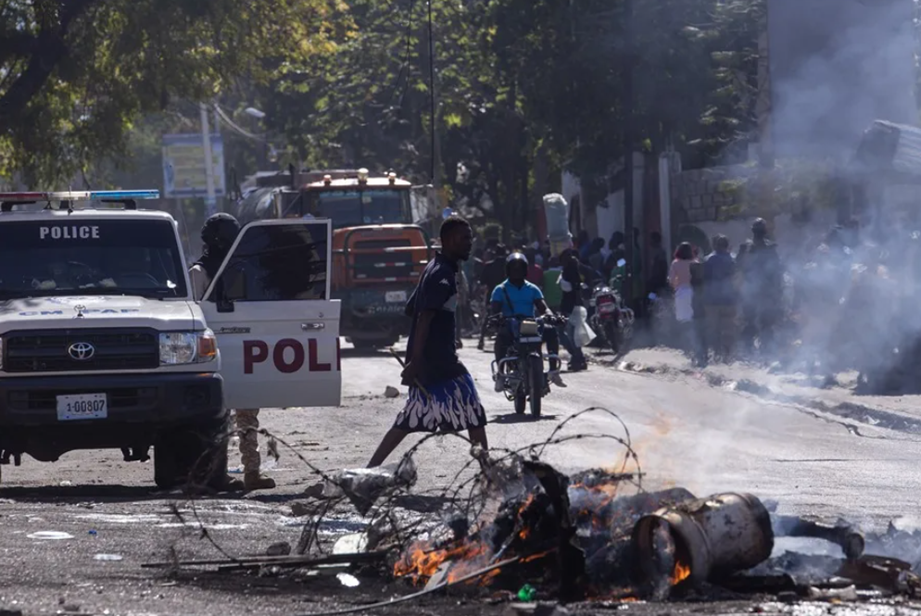
Life in Haiti has grown steadily more difficult after years of political turmoil and gang terror. Armed groups dominate Port-au-Prince and the surrounding areas, extorting businesses, kidnapping people, and driving farmers off their land. But gangs are not only spreading fear. They are also harvesting what that fear leaves behind. Hunger. Displacement. Children on their own.
Narayan says armed groups are highly skilled at social media. They post attractive content, invite people to join, and wrap the message in superficial slogans about the people rising up. Visually, they show money, gold, and nice houses. One account run by the Village de Dieu gang leader known as Izo produces colorful music videos featuring military-style body armor and weapons alongside shoes and jewelry. It has 19,000 subscribers and more than 2 million views on YouTube.
That matters because modern gang recruitment in Haiti is not only a matter of coercion. It is also a matter of aspiration. The image of the gang is being sold as a place of status, money, and shelter in a country where legitimate forms of security have all but collapsed for many children.
The most vulnerable are the ones already trying to survive alone. In a country with a threadbare social safety net, wealthier gangs in Port-au-Prince often create food and housing distribution systems for homeless children in their territories, claiming to take care of them, according to UN research. Cash can follow in exchange for gang work. The UN says payments can range from about 100 to 300 dollars for guarding kidnapped people, gathering information, ransacking homes, or monitoring police movements. For so-called major missions, such as kidnappings, hijackings, or armed clashes with rival gangs, payments can reportedly reach 700 dollars.
That is not just crime money. In a shattered social landscape, it becomes a substitute welfare state with a rifle behind it.
One child recruit told CNN in 2024 that he was 11 and homeless when a gang offered him food to join. He was eventually assigned to burn the bodies of people killed by the gang. Not every child is lured with promises. Some are handed over by desperate parents who think gang affiliation might protect the child and the family. Others are abducted. Others are forced into exploitative sexual relationships with gang members.
This is why Haiti’s child recruitment crisis cannot be reduced to policing alone. It is built from need, fear, spectacle, and the complete exhaustion of civilian alternatives.
Peace cannot Be Built on Hunger Alone.
That is also why a crackdown, by itself, is unlikely to achieve what many outsiders want.
Humanitarian organizations can respond quickly after gang attacks. They send water trucks. They set up temporary shelters for fleeing families. But the scale of the emergency now exceeds the bounds of emergency logic. More than 1.4 million people are homeless. Homes, schools, and medical facilities have been burned to ashes in deadly raids. Rebuilding begins to sound less like a plan than like a wish.
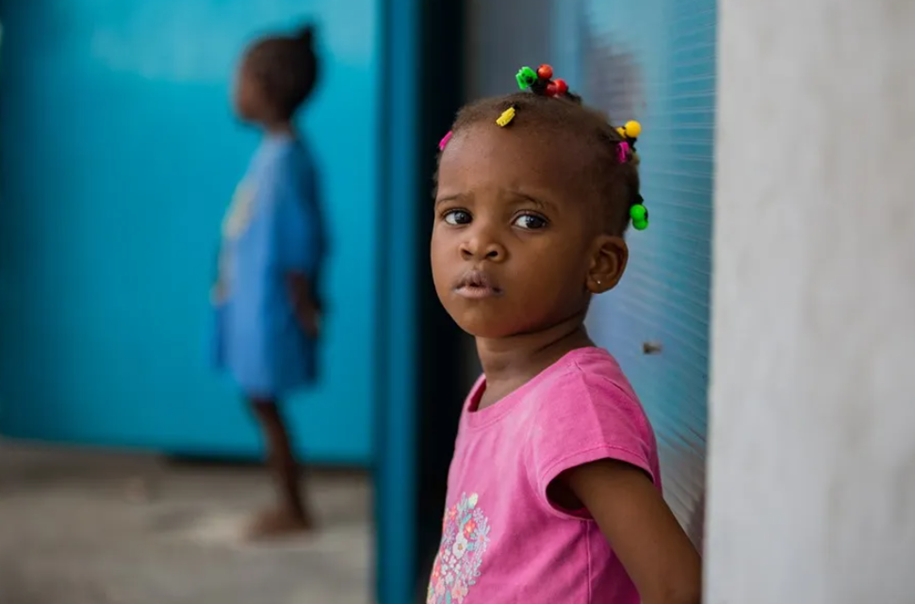
Wanja Kaaria, head of the World Food Program in Haiti, put it simply. Hunger and basic humanitarian needs, she said, must be addressed alongside any security crackdown. It is difficult to imagine full peace when people wake up and do not have enough to eat. The World Food Program provides both emergency response and regular meals to about 600,000 schoolchildren. That detail matters because it points to one of the few remaining structures still trying to keep children attached to something other than armed survival.
There is another danger as the Gang Suppression Force prepares for fuller operations. Multiple security experts say child fighters could be pushed to the front lines. Rights experts are also worried about what happens when they are confronted. Since 2022, at least three dozen children have been summarily executed by police or vigilante groups after being accused of gang association, some of them as young as 10.
Narayan says she hopes security forces will follow a handover protocol signed by the Haitian government and the United Nations, which requires children to be detained appropriately and transferred to child welfare agencies. But it remains unclear whether the force has any particular training or experience in doing that.
For those who do make it out, UNICEF runs a program called Prejeune to help reintegrate them into civilian life. More than 500 children have participated so far. The process is described as complicated, shaped by deep trauma and the difficulty of reconciliation. Narayan says it is not a given that a family will want a child back after what the child may have done.
That may be the bleakest truth in the text. Haiti is not only fighting gangs. It is confronting what happens after children have been made to cross moral lines that most societies never prepare them to cross. The new force may help break some armed structures. But if the country cannot also feed, shelter, receive, and restore the children who come out of it, then the war will simply keep recycling itself through smaller bodies.
What Haiti is facing, finally, is not just a security emergency. It is the collapse of the boundary that is supposed to protect childhood from the logic of armed power. And once that boundary goes, peace becomes more than the absence of gunfire. It becomes much harder work to give children something more believable than the gang that already got to them first.
Also Read:
Cuban Women Turn Sanctions Into Latin America’s Harshest Public Mirror