“We are oppressed in Brazil”: thousands of conservative Brazilians seek new life in Paraguay
Paraguay broke a record in 2025 by granting 40,600 residency permits to foreigners. More than half — 23,500 — went to Brazilians, far outpacing the 4,300 Argentines in second place
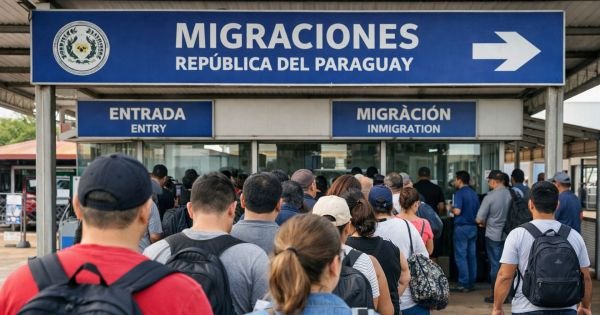
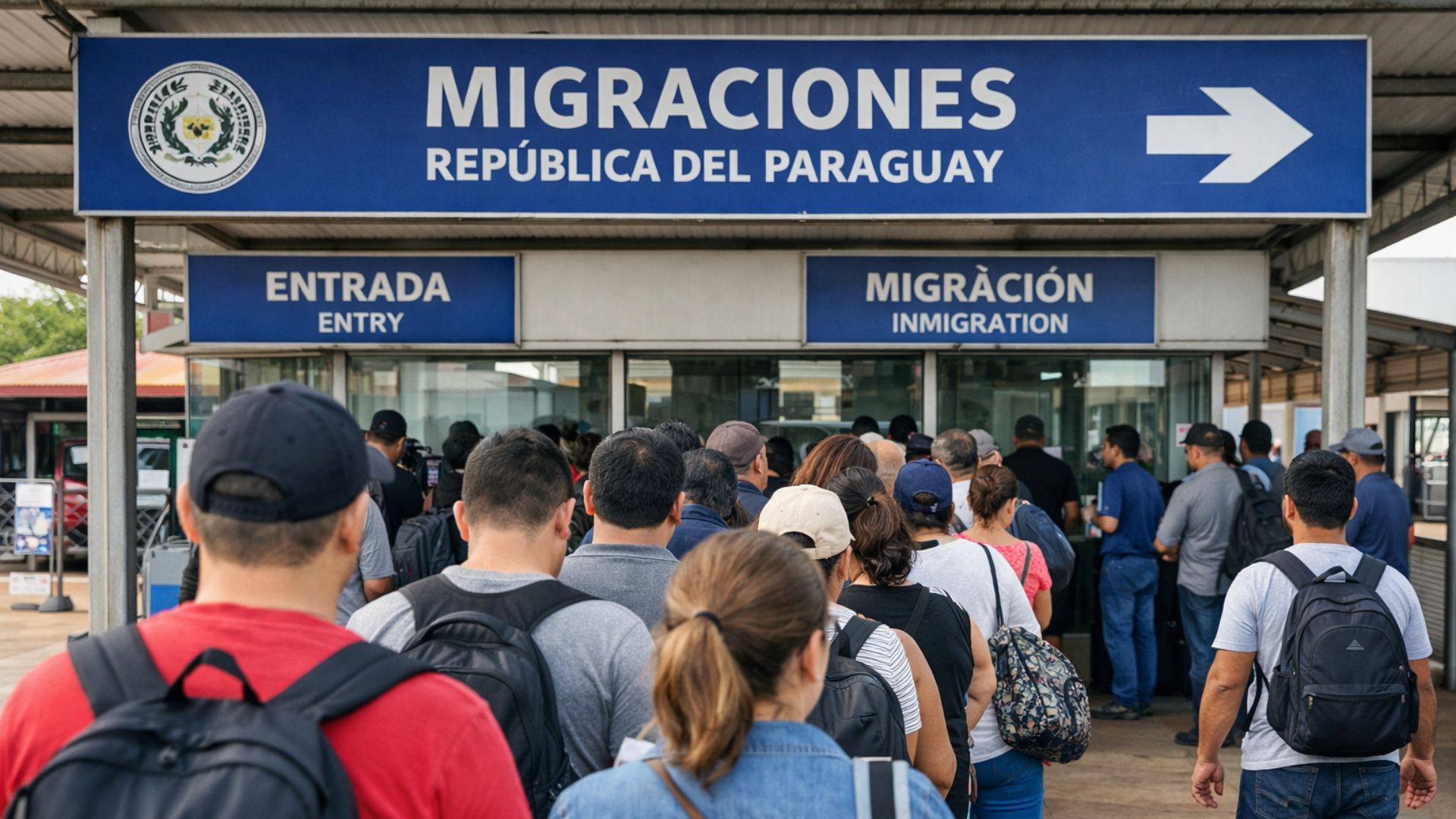
Hundreds of Brazilians camped overnight on beach chairs, plastic benches and tarps outside an immigration center in Ciudad del Este, on the border with Brazil, to secure a spot in a Paraguayan government drive to fast-track residency applications. Some organized an improvised barbecue on a barrel while they waited. Others had traveled more than 1,500 kilometers by bus. All shared a common thread: the desire to leave Brazil for reasons they describe as political, economic and ideological, according to a report by BBC News Brasil.
We on the right feel like the most oppressed people. We have no freedom, said Zena Cheraze, a 68-year-old retired teacher who traveled alone from Rio de Janeiro. It’s a government that is only doing us harm.
Paraguay broke a record in 2025 by granting 40,600 residency permits to foreigners. More than half — 23,500 — went to Brazilians, far outpacing the 4,300 Argentines in second place. In the first three months of 2026, another 9,200 permits were issued to Brazilians, suggesting this year’s total will be even higher.
The March drive in Ciudad del Este was the second this year in that city and served around 4,000 people. President Santiago Peña’s government plans 19 more such drives across the country in 2026. The initiative, called Migramóvil, was created in 2025 and brings together the National Migration Directorate and the National Police in a single location.
BBC News Brasil spent three days at the drive. Every person interviewed said they were motivated by their political views and the search for a life with lower taxes and more comfort. Most began considering the move after watching social media videos by Brazilian influencers living in Paraguay who list the country’s economic advantages: a total tax burden of 14.5% of GDP, versus 32% in Brazil; a simplified tax framework known as 10-10-10 (10% VAT, 10% personal income tax, 10% corporate income tax); and electricity up to 2.8 times cheaper than in Brazil, thanks to surplus power from the Itaipú and Yacyretá dams.
Entrepreneurs are leaving Brazil to come to Paraguay. Here, the tax burden is much lower and labor laws are much more accessible, said businessman Dilberto Wegrnen, 63, from Cascavel, Paraná.
Cornelio Melgarejo, head of immigration for the Alto Paraná department, noted a shift in profile: two years ago, 80% of applicants were medical students seeking cheaper universities. Now, entrepreneurs and retirees predominate, in search of economic and political stability. The most frequent answers are about the cost of our taxes, he said.
Economists, however, warn that the Paraguayan model has limitations. Alexandre da Costa noted that lower tax revenue means a reduced capacity to invest in infrastructure, health and education. Many of those Brazilians, for example, come looking for the SUS here in Foz do Iguaçu when they need it, he said, referring to Brazil’s public health system. Labor informality in Paraguay reaches 62.5%, compared to 37.5% in Brazil, and extreme poverty stands at 4.1%, above Brazil’s 3.5%.
The figures also suggest many Brazilians do not put down permanent roots. Of the 23,500 residencies granted in 2025, only 19% were permanent, down from 68% in 2020. People hyped it up too much online, with the videos about Paraguay. But I didn’t find much difference from Brazil, acknowledged Leonardo Ribeiro, a 22-year-old vendor who plans to return to São Paulo before year’s end.
Nine of Paraguay’s ten presidents since the return to democracy in 1989 have been identified with the right. Peña’s government actively capitalizes on the migration wave as a sign of confidence in the country. Paraguay opens its doors to the world, reads one official promotional piece. In March, Peña signed an agreement authorizing the presence of US military personnel and companies to combat organized crime, in line with his closeness to the Trump administration.