Venezuela dismantles Nestor Kirchner Room at Miraflores and repurposes it to receive US officials
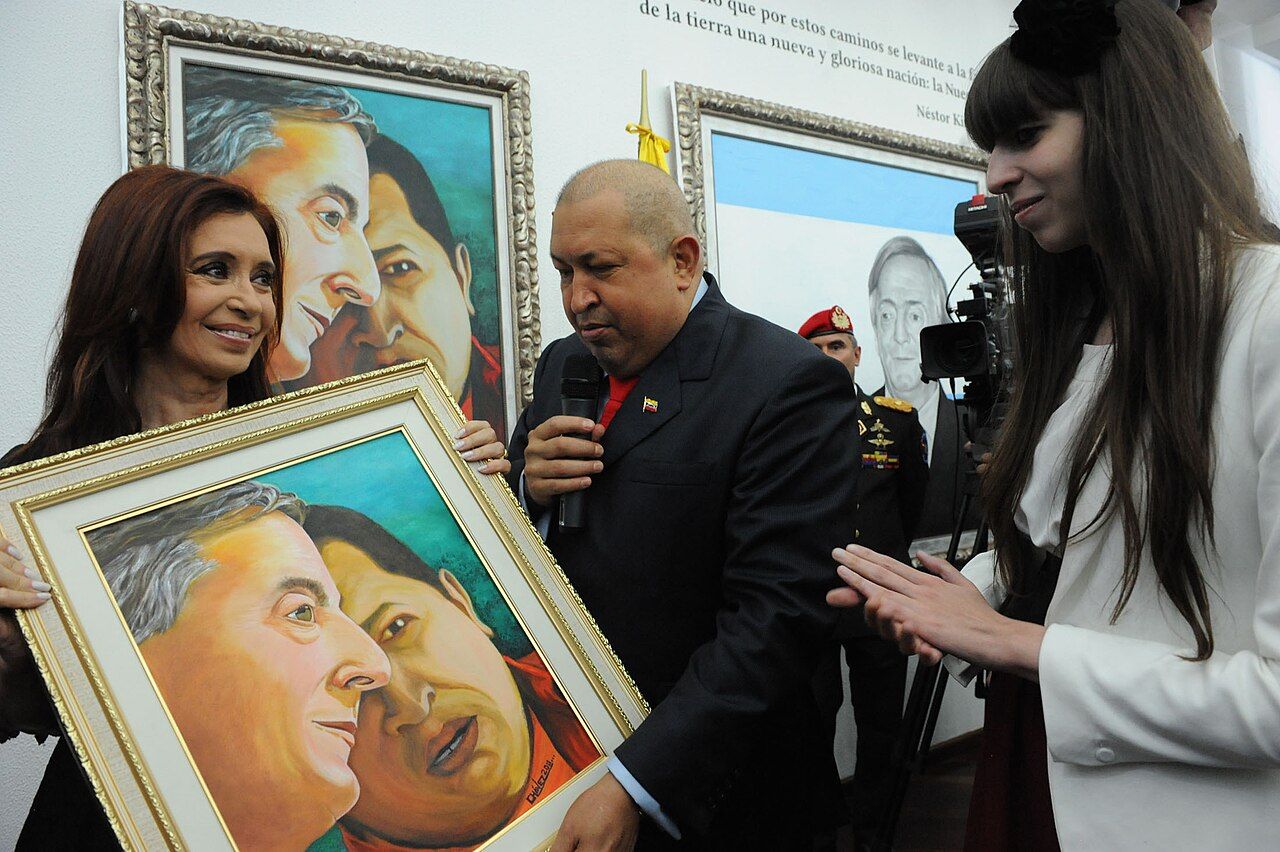
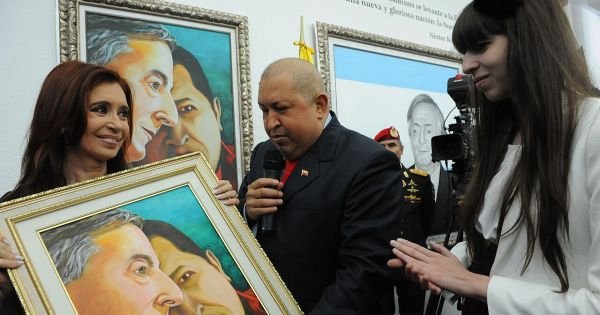
The room had been inaugurated on December 1, 2011, during an official visit by Cristina Fernández de Kirchner to Venezuela
Venezuela’s acting President Delcy Rodríguez ordered the dismantling of the “Néstor Kirchner Room” at Miraflores Palace, a space that for nearly fifteen years served as a symbol of the political alliance between Chavismo and Kirchnerism. The measure involved removing portraits, paintings, quotations and objects linked to the former Argentine president, and converting the room into a meeting space with a neutral aesthetic that, according to Venezuelan outlet Monitoreamos, is now used to receive US officials.
The room had been inaugurated on December 1, 2011, during an official visit by Cristina Fernández de Kirchner to Venezuela. At the ceremony, Hugo Chávez led a tribute to Néstor Kirchner — who died in October 2010 — and presented the then-Argentine president with a painting he had made himself depicting both leaders. Honor to whom honor is due, Chávez said at the time. From then on, the space served as the Cabinet meeting room and displayed images of Kirchner alongside Chávez, photographs with Cristina Fernández de Kirchner and other regional leaders such as Lula da Silva, as well as Argentine symbols in light blue and white.
The transformation was gradual and is documented in the Venezuelan government’s own official publications. In an image dated December 26, 2025, during a meeting led by Nicolás Maduro, portraits and references to the former Argentine president were still visible. By January 2026 — with Rodríguez in charge following Maduro’s capture on January 3 in a US military operation — the images of Kirchner had disappeared. Only figures from Venezuelan history remained: Simón Bolívar, Chávez and Maduro.
Venezuelan journalist Gabriel Bastidas was among the first to document the transition. By March 2026, the most recent photographs revealed a fully renovated room: white walls, no references to Argentina whatsoever, and a red silhouette of Miraflores Palace with the inscription Palacio de Miraflores. Argentine daily Perfil noted the design resembles the branding used by the White House in the United States.
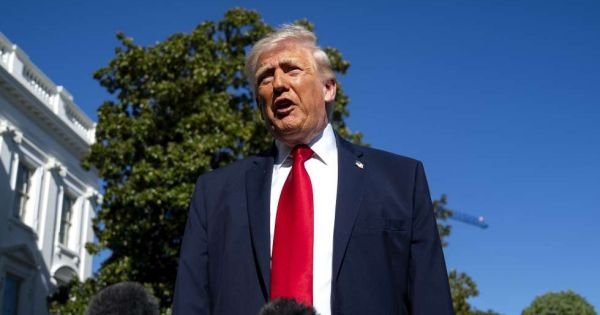
The removal of the room falls within the broader normalization of relations between Caracas and Washington that began after Maduro’s capture. In the months that followed, the Trump administration progressively lifted sanctions on Venezuela’s oil sector, authorized the sale of Venezuelan gold in the United States, dropped individual sanctions on Rodríguez herself on April 1, and on Tuesday lifted restrictions on Venezuela’s Central Bank and three other state banks. Treasury Secretary Scott Bessent praised Venezuela for getting back on a good trajectory during the IMF’s spring meetings.
In that context, the Trump administration appointed John Barrett as the new chargé d’affaires at the US embassy in Venezuela, replacing Laura Dogu. The former Kirchner Room is now one of the spaces where American delegations are received.
The move also sparked reactions on social media. Users aligned with Chavismo expressed surprise and displeasure at the disappearance of the paintings, while some analysts interpreted the gesture as the closing of a symbolic chapter. Months earlier, reports had circulated that Rodríguez had also removed portraits of Maduro from the palace, though those accounts were not officially confirmed.
Neither the Argentine government nor the Kirchner family commented publicly on the elimination of the room.