Uruguayan court rejects injunction against offshore seismic prospection, allowing exploration to continue
The court dismissed the case on procedural grounds without fully examining the environmental merits
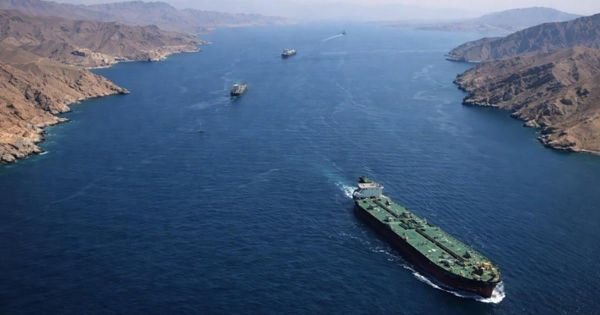
A Montevideo civil court dismissed an injunction filed by social organizations and fishing industry unions against seismic prospection activities for hydrocarbon exploration in Uruguay’s exclusive economic zone, allowing operations by the company Viridien (CGG Services) to continue on an offshore block assigned to oil major Chevron.
The plaintiffs — including the Costa Viva Rocha and Mar Azul Uruguayo collectives, the Uruguayan Association of Fisheries and Aquaculture Veterinarians and fishing workers’ unions, represented by attorney Hoenir Sarthou — argued that the activities caused serious environmental damage through the use of high-intensity sound waves affecting marine fauna, ecosystem balance and, consequently, their livelihoods. They sought the immediate suspension of operations until compliance with environmental regulations was guaranteed.
The court dismissed the case on procedural grounds without fully examining the environmental merits. The ruling concluded that res judicata applied due to the overlap with a prior injunction brought by the National Human Rights Institution (INDDHH), which was rejected and upheld on appeal in February 2026. In that case, Judge Xenia Pedrozo held that the matter should be addressed by the Administrative Court and that the claim exceeded the exceptional and summary nature of the injunction.
The defendants — the ministries of Environment, Industry and Agriculture, ANCAP and Viridien — argued that the activity was duly authorized following technical and environmental procedures, with impact assessment, mitigation measures and compensation mechanisms. They also argued the filing deadline had expired, dating it to the original authorization in December 2025.
The Environmental Management Plan approved by the Ministry of Environment on February 27 establishes protective measures including the obligation to halt sound sources when cetaceans, turtles and pinnipeds are detected within a 1,000-meter radius. The seismic campaign is being conducted in two phases: the first between March and April 2026 covering 2,645 square kilometers roughly 180 kilometers offshore, and the second starting in November.
Sarthou said he would appeal the decision. It is the second consecutive judicial setback for opponents of the exploration, following the ruling against the INDDHH.
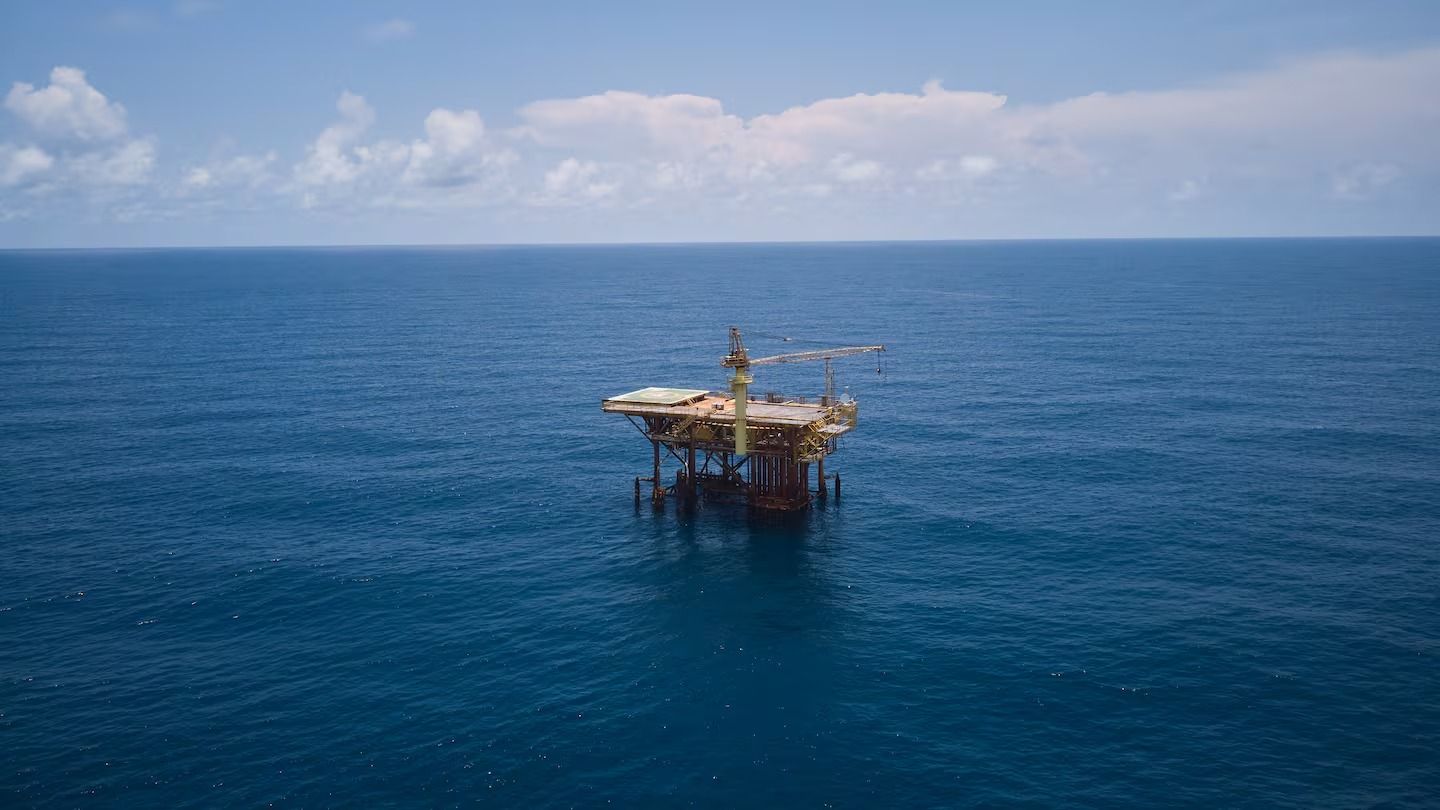
The exploration is part of the Uruguay Open Round, through which ANCAP awarded seven blocks in its exclusive economic zone to companies including Chevron, APA Corporation, YPF, Shell and Challenger Energy Group. Investment in the current phase exceeds $150 million in seismic studies, and the eventual drilling of an exploratory well could cost more than $200 million, with a geological success probability of 25%. Recent hydrocarbon discoveries off Namibia, on the conjugate margin of the South Atlantic, have revived interest in the Uruguayan basin due to similar geological conditions.