Second trial over Maradona’s death begins after first was annulled over judicial scandal
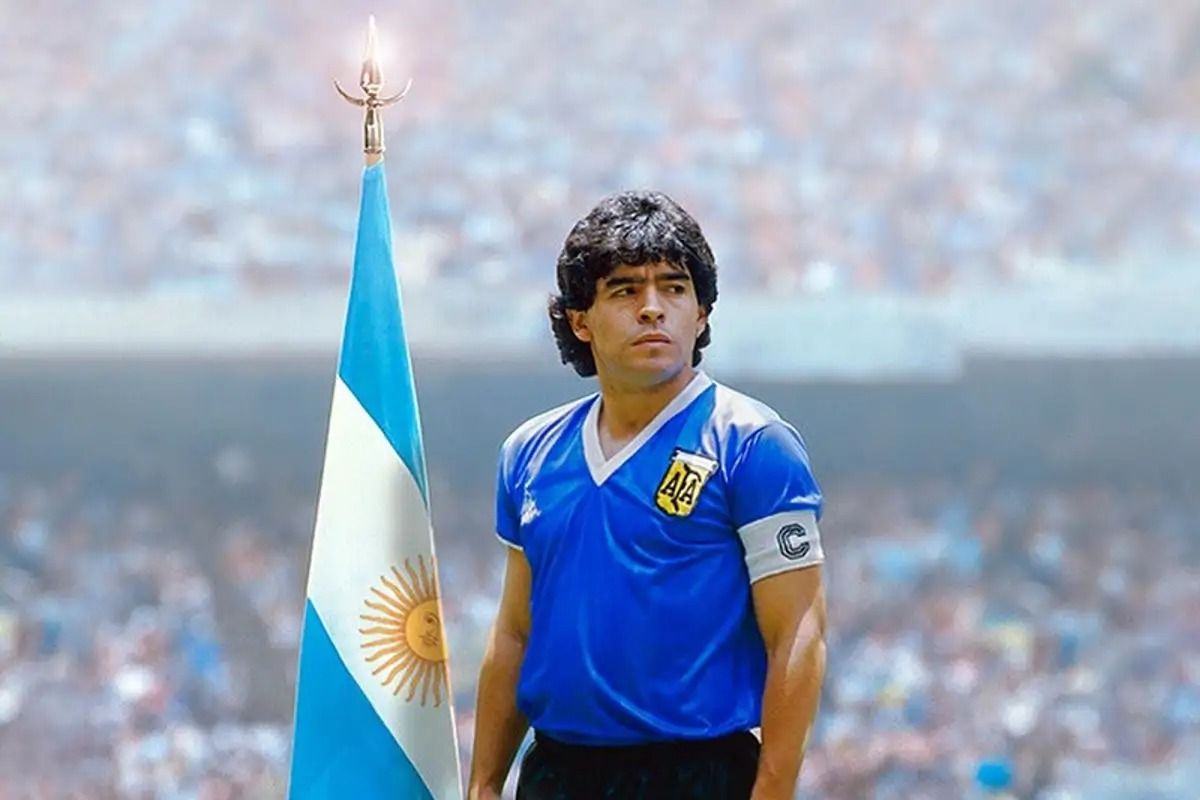
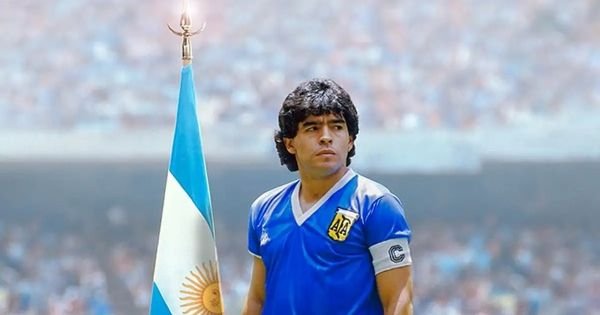
Maradona died on November 25, 2020, aged 60, at a house in a gated community in Tigre, Buenos Aires province, where he was under home care following brain surgery for a subdural hematoma
A new public trial has been underway since Tuesday to determine whether Diego Maradona died due to the neglect and abandonment of the health professionals who were supposed to care for him. Seven defendants — four doctors, two nurses and a psychologist — face charges of homicide with eventual intent at the courts of San Isidro, on the outskirts of Buenos Aires, with possible sentences of 8 to 25 years in prison.
The proceedings replicate a trial that began a year earlier and was annulled after it emerged that one of the judges, Julieta Makintach, had been secretly filming the hearings to star in a documentary about the case without the parties’ consent. Makintach was removed from office. The first trial had held more than 20 hearings and heard more than 40 witnesses. All of it was invalidated and the process starts from scratch, now under judges Alberto Gaig, Alberto Ortolani and Pablo Rolón.
All the defendants abandoned Diego Armando Maradona to his fate, condemning him to death, prosecutor Patricio Ferrari said at the first hearing. According to the prosecution, the professionals acted as a band of amateurs and, with criminal indifference, did nothing to prevent Maradona from dying. Attorney Fernando Burlando, representing the footballer’s daughters Dalma and Gianinna Maradona, was more blunt: Diego Maradona was murdered.
Maradona died on November 25, 2020, aged 60, at a house in a gated community in Tigre, Buenos Aires province, where he was under home care following brain surgery for a subdural hematoma. The cause of death was cardiac arrest and pulmonary edema, amid a clinical picture that included chronic kidney disease, cirrhosis, respiratory failure and addiction. According to the medical board that reviewed the case, Maradona began dying at least 12 hours before his death and showed unequivocal signs of prolonged agony. If any one of them had thought to transfer him to a clinic, it would have saved his life, Ferrari said.
The main defendants are neurosurgeon Leopoldo Luque, psychiatrist Agustina Cosachov and psychologist Carlos Díaz. Also charged are nurses Ricardo Almirón and Mariano Perroni, and doctors Pedro Di Spagna and Nancy Forlini, assigned by health companies to oversee his care.
On Thursday, Luque surprised the court by testifying for the first time. I am innocent, I deeply regret his death, he said, denying the existence of a prolonged agony and suggesting the death was caused by an unforeseen heart attack. I was not in charge of the home care, he insisted, attempting to distance himself from the home treatment. A notable change in his strategy was the addition of Francisco Oneto, President Javier Milei’s personal lawyer, to his defense team.
The defense teams challenge the homicide charge as excessive. Cosachov’s lawyer argued that if the nurses failed to properly monitor vital signs, the doctors cannot be held responsible for acting on faulty data. The nurses’ representatives claim they were only following medical instructions. The lawyers for Di Spagna, Forlini and Perroni maintain their clients had no direct contact with the patient.
The trial will continue on Tuesdays and Thursdays for at least three months. More than 120 people are expected to be called as witnesses.