Peru elections: Sanchez rules out expropriations, seeks to calm markets as he secures second place
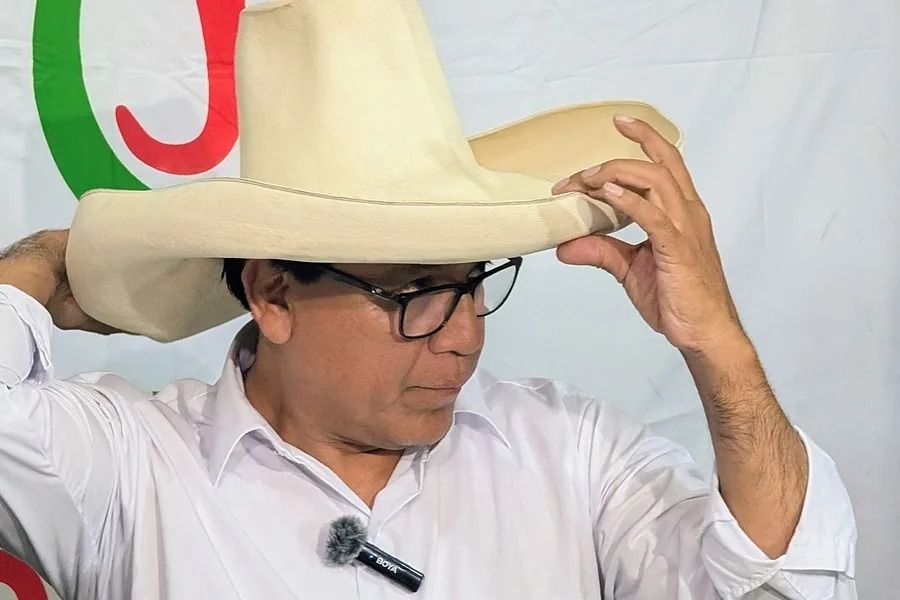
Sánchez presented his candidacy as the voice of the popular, communal, Andean and Amazonian movement and is proposing a new Constitution for the country
Left-wing presidential candidate Roberto Sánchez, who with 93.48% of ballots counted holds second place in Peru’s election and is headed for a June 7 runoff against Keiko Fujimori, ruled out expropriations as part of his governing program and accused economic elites of spreading financial panic around his candidacy.
We don’t want to take an inch of property from anyone, just as President Pedro Castillo didn’t take a single sol from anyone, Sánchez told EFE. This ‘terruqueo’ and financial panic is because they hold the power to create that panic, he added, using the Peruvian term for baseless accusations of ties to terrorism.
Sánchez, a sitting congressman and former trade minister under ex-President Castillo (2021-2022), has 1,891,906 votes (12.0%) compared to 1,878,493 (11.92%) for his nearest rival, far-right candidate Rafael López Aliaga (Renovación Popular). The margin of just over 13,000 votes will be settled by electoral juries, which have more than 5,000 challenged ballot sheets pending review. Fujimori leads with 2,687,621 votes (17.05%).
Sánchez presented his candidacy as the voice of the popular, communal, Andean and Amazonian movement and is proposing a new Constitution for the country. We are proposing a new pact and a new beginning for our homeland, he said.
The candidate denounced what he described as racism and classism against his voters, a pattern he compared to what occurred in 2021 when Castillo, a rural schoolteacher, won the presidency. The will of the people has been expressed, reaffirming the vote of the regions, the Andean, Quechua, Aymara, peasant and Amazonian vote of rural Peru, and the vote of the poorest economic stratum, he said. That cry reaffirming this democratic vocation is now provoking voices of discrimination, contempt and many insults.
Sánchez also attacked the Peruvian right for having facilitated Castillo’s removal — he was ousted after attempting a self-coup in December 2022 — and for defending the state repression of subsequent protests, which left more than 50 dead. They did not lose their lives through a fortuitous and accidental fall, but through bullets from the State, the Army and the Police, he said. Castillo is serving an 11-year sentence; days before the election he used a court hearing to urge voters to support Sánchez, who has promised to pardon him if elected.
López Aliaga, for his part, has alleged fraud without concrete evidence and has sought the annulment of polling stations in rural areas where Sánchez is the top vote-getter. The European Union Electoral Observation Mission, which deployed 150 observers, found no indications of irregularities in the process.
Sánchez’s rise rattled markets. The dollar jumped from 3.39 to 3.43 soles when the candidate overtook López Aliaga in the count, reflecting financial sector concern over a scenario that echoes Castillo’s 2021 victory.