The slow sale of the U.S. opener against Paraguay is revealing something awkward ahead of the World Cup: fans may want the spectacle, but not at any price, and FIFA’s confidence in endless demand is starting to look brittle now.
The Expensive Seat Problem
For a tournament sold as the grandest show in global sport, this is an uncomfortable image. A co-host opening match in Los Angeles, a glitzy June 12 night at SoFi Stadium, and tickets that are not exactly flying off the shelves.
The Athletic reports that sales for the United States opener against Paraguay have been lagging behind other matches in the city. A document dated April 10 and distributed to local organizers listed 40,934 tickets purchased for that match, compared with 50,661 for Iran against New Zealand three days later in the same building. FIFA lists SoFi’s World Cup capacity at 69,650, though the numbers in the document do not necessarily mean that tens of thousands of seats were sitting there untouched, because it remains unclear whether hospitality and other categories not sold to the general public were included.
Still, the broader picture is hard to miss. The Athletic’s reporting suggests the U.S. opener has not sold as well as expected, and the clearest explanation sits right there in the pricing. When FIFA first released tickets in October, it made the U.S. against Paraguay match the third most expensive game in the entire tournament, behind only the final and one semifinal. Category 1 and Category 2 tickets, priced at $2,730 and $1,940, remained available through subsequent sales phases. That kind of persistence is its own verdict. It suggests not indifference to the World Cup, but resistance to the bill.
This matters because FIFA has spent years building a mythology of irresistible demand around this tournament. That mythology is partly true. The World Cup is still the biggest thing in football. But The Athletic’s account shows that demand is not some magical river that rises equally for every match, every city, and every price tier. It is shaped by context, by local fan culture, by the opponent, by the city, and by how much punishment a family budget can actually absorb before the dream sours into resentment.
A World Cup ticket can still feel like a pilgrimage. At $2,730, it also starts to feel like a dare.

Why Paraguay Became the Mirror
Paraguay is not the problem here. That is the first thing worth saying clearly.
What the U.S. opener against Paraguay has become is a mirror. It reflects how FIFA may have misread both the American market and the emotional pull of the U.S. men’s national team, especially in Southern California. The Athletic notes that this is the only match featuring a co-host, whether the United States, Canada, or Mexico, that has not seen prices hiked in the last six months. That alone tells its own story. FIFA appears to understand that the market for this particular night is more fragile than the broader sales rhetoric would suggest.
The comparison with Mexico is especially revealing. The Category 1 price for Mexico’s opener against South Africa rose from $1,825 in October to $2,985 currently. The U.S. against Paraguay price, by contrast, remained frozen at $2,730, $1,940, and $1,120 in its three main categories. In global football, price is not only about money. It is also about confidence. FIFA raised prices when it sensed heat. It held the line where it seems to have sensed hesitation.
And hesitation is exactly what The Athletic tracked. On April 9, there were 2,529 tickets available for the U.S. against Paraguay opener on a first-come, first-served basis. Ten days later, there were still 2,232. In other words, sales appeared to be moving only by the dozens per day. The section-by-section inventory barely budged. That is not the kind of movement usually associated with a World Cup curtain-raiser in a giant media market.
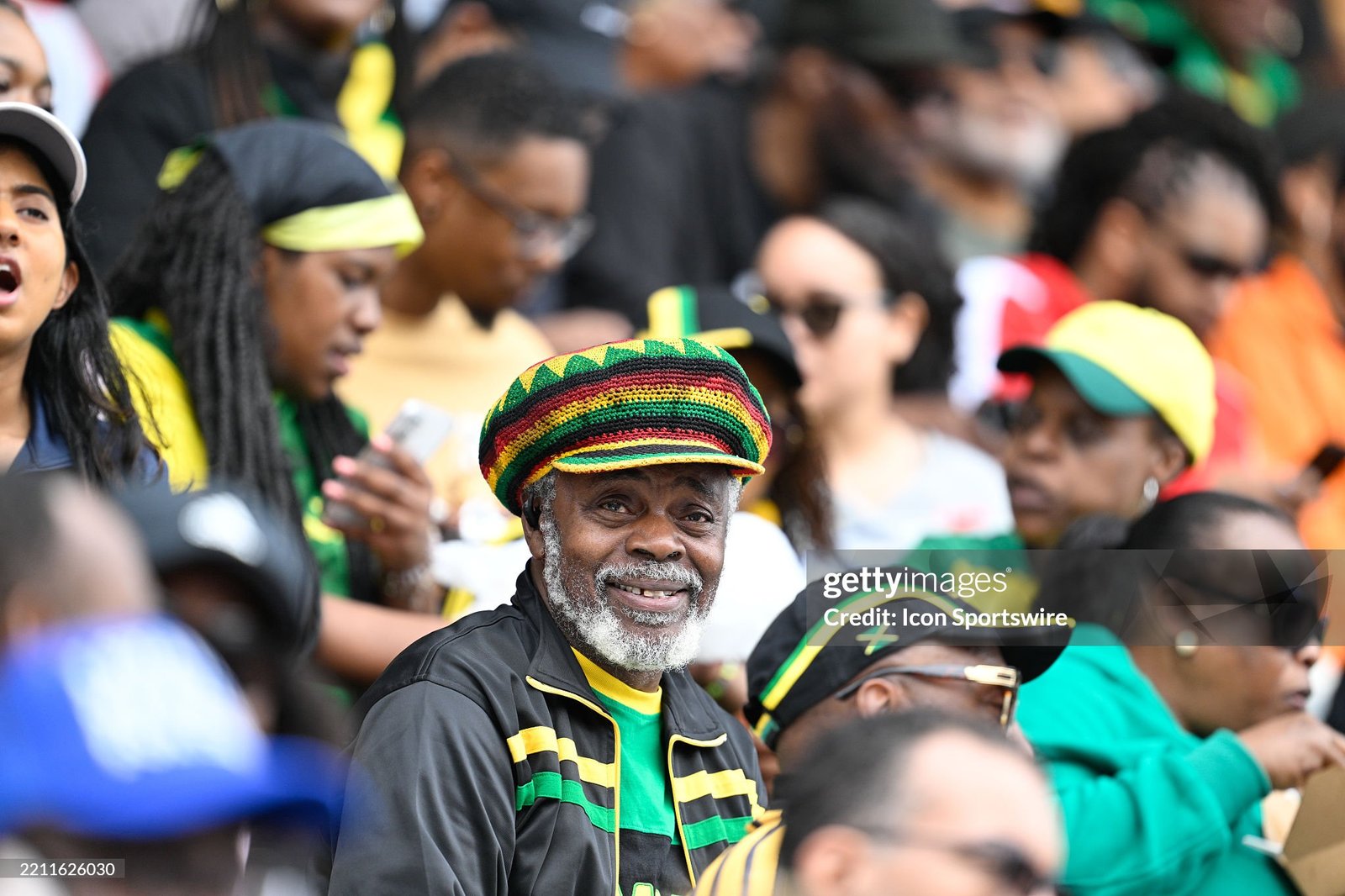
There is a cultural reason for that, too. Southern California has never belonged automatically to the U.S. men’s team in the way administrators might wish. The Athletic notes that the team has hardly ever played before a truly partisan crowd there. When the United States faced Panama and Canada at SoFi Stadium in Concacaf Nations League doubleheaders in March 2025, most of the seats were empty at kickoff, with many ticket buyers apparently more interested in the Mexico match later that night. That detail hangs over this story like a warning nobody wanted to hear.
Los Angeles is not a neutral market dressed up in red, white, and blue. It is one of the most international football cities on earth. Since the turn of the century, stadiums there have filled with supporters of other countries from across the Americas and beyond. The region holds dozens of large diaspora communities, including hundreds of thousands of Iranian Americans. Decades ago, they coined the nickname “Tehrangeles.” The Athletic suggests that this may help explain why Iran’s two matches at SoFi appeared to sell better than the U.S. fixtures, according to the document shared with local organizers.
In other words, this is not just a pricing story. It is a reminder that football loyalty in Los Angeles does not obey the passport logic of the tournament brochure.

A Tournament Selling Scarcity
The deeper issue here may be the way FIFA sells access itself.
The Athletic argues that for most or all World Cup matches, FIFA appears to be holding back tickets, creating an illusion of scarcity. Gianni Infantino said last week that his organization had sold around 5 million of the roughly 6.7 million expected to be available and that FIFA could have sold them all, but wanted to keep some for continuous sale until the tournament begins. On Sunday, only nine matches on the ticketing portal showed more than 100 tickets available, even though many of the other 95 had not actually sold out. That gap matters. It suggests the public display of scarcity may be more theatrical than literal.
The U.S. against Paraguay opener sits at the center of that tension because the usual machinery of scarcity is not quite working. The Athletic reports that earlier buyers are already listing tickets below face value. There are more than 4,000 tickets on FIFA’s own resale platform, and at least 19 sections showed prices lower than the primary market. On StubHub, there were 377 listings, with 10 offering tickets below face value even after taxes and fees. Once a premium sports event starts sliding under face value before kickoff, the mystique begins to crack.
FIFA has been here before. The Athletic recalls how, for many Club World Cup matches last summer, the governing body eventually cut prices after beginning much too high, including examples as stark as $13 tickets to a semifinal and a five-for-$20 deal on the eve of the tournament. Even then, plenty of seats stayed empty. The lesson should have been simple. Demand is real, but not infinite. Fans are passionate, but they are not fools.
And that is what this match now means. Paraguay has become the opponent in a game that is really about football’s political economy. A global institution with a habit of talking about “overwhelming demand” has run into the ordinary arithmetic of household life. A host nation that imagines itself automatically magnetic has run into the more complicated truth of regional fandom. And Los Angeles, as usual, has exposed the myth first.
The World Cup will still arrive with noise, flags, and television grandeur. The opener may yet fill. FIFA may still lower prices, as it did before. But The Athletic’s reporting has already revealed something important. The problem is not that people do not care. It is that they care enough to know when they are being asked to pay too much for the privilege of proving it.
Also Read:
Paraguay Sees Superclasico Chaos Expose Football’s Old Security Illusions Again