Iran attacks ships in Hormuz as Trump extends ceasefire without conditions and faces domestic backlash
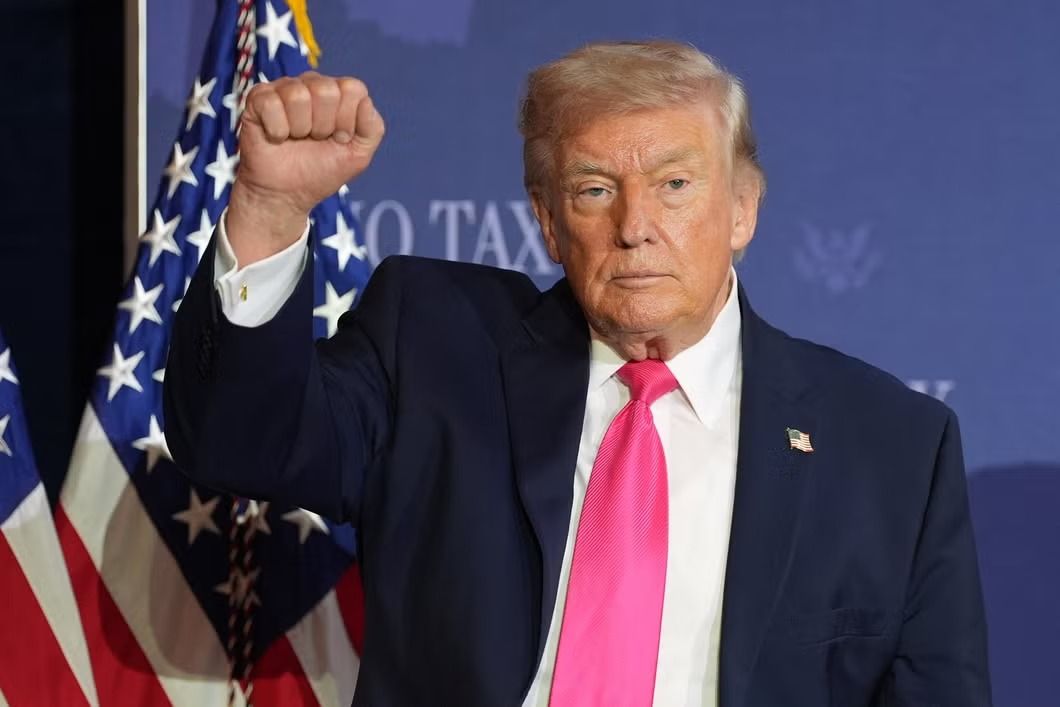
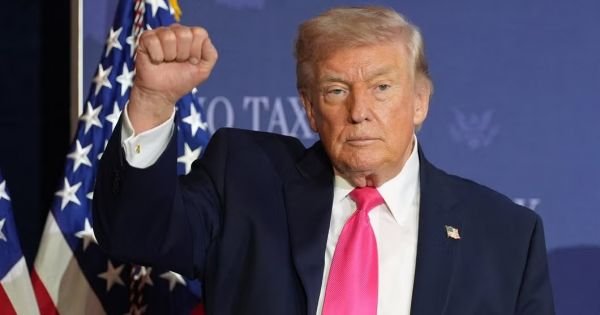
Trump justified the extension by citing the need to give Iran’s government, which he described as seriously fractured, time to submit a unified proposal.
US President Donald Trump extended the ceasefire with Iran on Tuesday without setting a deadline, hours before his own two-week truce was set to expire without a deal. The decision came as Iran attacked two container ships in the Strait of Hormuz on Wednesday, with the White House declining to characterise the strikes as a ceasefire violation on the grounds that neither vessel was American or Israeli.
Trump justified the extension by citing the need to give Iran’s government, which he described as seriously fractured, time to submit a unified proposal. I have directed our Military to continue the Blockade and, in all other respects, remain ready and able, he wrote on Truth Social, adding that the ceasefire would hold until negotiations conclude one way or the other. The naval blockade of Iranian ports, which has effectively kept the Strait of Hormuz closed, remains in place.
The extension followed the collapse of a second round of talks in Islamabad. Vice President JD Vance, designated to lead the US delegation, had Air Force Two on the tarmac when the White House confirmed the trip would not go ahead. According to CNN, Iran had gone silent for days in response to a list of preconditions sent by Washington, casting doubt on the feasibility of further in-person negotiations. Iranian parliament speaker Mohammad Baqer Qalibaf, who led Tehran’s delegation in the first round, had warned that his country would not negotiate under the shadow of threats, while an adviser described the ceasefire extension as a ploy to buy time ahead of a possible surprise strike.
White House press secretary Karoline Leavitt said Trump alone would determine when the extension ends, and that talks could resume on Friday in Pakistan, though no official source confirmed this with certainty. UN Secretary-General António Guterres welcomed the extension as an important step toward de-escalation and expressed full support for Pakistan’s mediating role.
The erratic handling of the conflict is taking a growing political toll. A NBC poll published this week placed Trump’s approval rating at its lowest point since his return to the White House 458 days ago, with 63% of Americans disapproving of his performance. The two leading causes are the state of the economy and the Iran war — closely intertwined issues, as the closure of the Strait of Hormuz, through which a fifth of the world’s hydrocarbons pass, has pushed the West Texas crude price to around $93 a barrel and driven US gasoline above $4 a gallon. United Airlines announced it will pass the higher fuel costs on to passengers through fare increases of between 15% and 20%.
From within the conservative camp, broadcaster Tucker Carlson went further than any other internal critic, stating on his podcast that he regrets having helped elect Trump and offering a public apology to his listeners.