What Is Chinlon, and Why Is It Important to Myanmar’s Culture
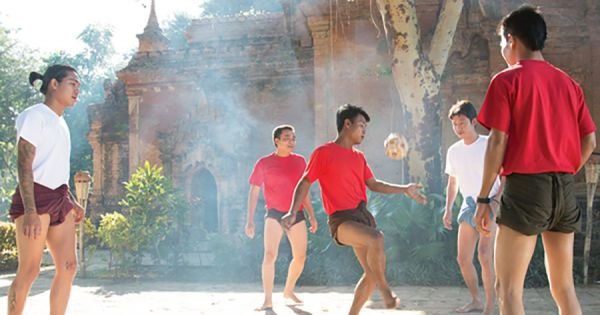
Chinlon does not stop flowing; nor do its participants. While the world watches Myanmar’s Chinlon for its rhythmic style rather than results or scores, it has merged sport, performance, and culture into a single flowing motion of balance and control. Each touch and each movement is connected. Follow this story, and you will see why Chinlon has been forming identities across multiple generations.
Why Chinlon Is Unique When Compared To Most Sports
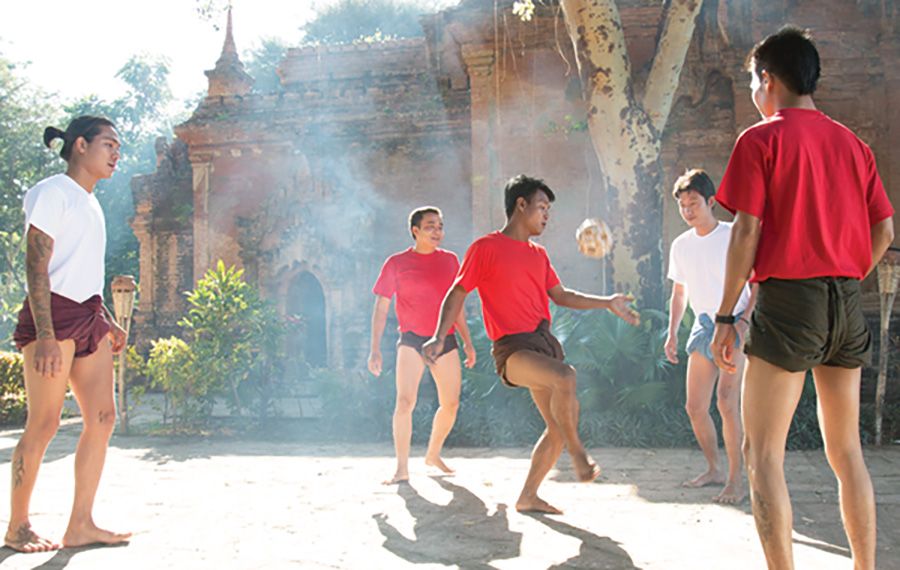
Unlike many other sports, Chinlon follows an unorthodox logic that feels almost timeless. There are no winners, no officials, and no whistle that decides anything. A group of players forms a circle around a rattan ball and keeps it alive together. The pace feels natural, not forced, even when someone checks odds or follows games through the Melbet Myanmar app. Sports betting adds another layer of engagement, giving fans a way to stay connected beyond watching. Players use their feet, knees, and heads to control every touch. The objective is simple but demanding: keep the ball in the air through creativity and precision.
Its beauty lies in how it feels, not in what it decides. Players appear to perform movements effortlessly, yet these movements take years of practice and perfect timing. Rather than relying on strategic charts and rigid formations, players develop instinct. The nature of playing chinlon is akin to being part of a collective performance, where all participants contribute to the rhythm.
Why Chinlon Holds Cultural Weight in Myanmar
Chinlon sits deeper than casual recreation; it carries history, pride, and social connection. It appears during festivals, ceremonies, and everyday gatherings across towns and villages. The game links generations through shared technique and respect for tradition.
Here’s why it remains central to Myanmar’s culture:
– It reflects traditional values of harmony and cooperation rather than individual victory.
– It connects communities during public celebrations and local events.
– It preserves movement patterns passed down through generations.
– It blends physical skill with artistic expression.
These elements keep Chinlon relevant even as modern sports gain popularity. It doesn’t compete with global games; it exists alongside them, holding its own space.
The Skills and Roles Inside the Circle
Chinlon may look casual, but roles inside the circle are clearly defined through movement and responsibility. One player often takes a central position, performing advanced techniques while others support the rhythm. Watching that coordination feels similar to tracking live moments through Melbet, where sports betting follows the same tension and timing. It gives fans more control over their experience of the game, turning observation into active involvement. Timing becomes everything, as one mistake can break the entire flow.
The Art of Control and Movement
Control defines everything in Chinlon, from the first touch to the final sequence. Players train their bodies to respond instantly, adjusting angles and force with minimal effort. Precision matters more than power, and smooth transitions keep the ball alive.
Over time, players develop unique styles based on body control and creativity. Some rely on quick, sharp touches, while others use slower, flowing movements. There’s no single correct way, only what keeps the sequence alive. That freedom pushes players to refine technique without losing individuality.
The Role of Rhythm and Team Coordination
Chinlon depends more on collective awareness than on individual brilliance. Every player reads others’ movements and adjusts in real time. There’s no pause to think, only continuous reaction and trust.
The rhythm builds naturally as players connect through repeated exchanges. One strong move sets up the next, creating a chain of coordinated actions. When it works, the group moves as one unit, not separate individuals. That connection is what keeps players coming back, long after the game ends.

Photo: Smugsmug
Chinlon in Modern Myanmar
The space we live in is changing, modern sports have become ubiquitous, but Chinlon has managed to maintain its position. You can find it played in park settings, on school yards, and at times when national events celebrate traditions. The younger generations are often taught by their elders. Typically, there are no professional coaches or structured practices for young players.
The game adapts while maintaining the essence that makes it so unique. Chinlon does not require stadiums or large groups of spectators to remain active. A ball, a circle, and the willingness of players to continue the rhythm of the game are all that is required for this game to remain as vibrant today as ever.
Why Chinlon Still Matters Today
This adaptability allows Chinlon to connect with both past and present. Chinlon’s ability to evolve while maintaining its core identity is a key reason why it remains an important component of our lives today.