
Leo XIV calls for disarming artificial intelligence in first encyclical, links it to historical slavery
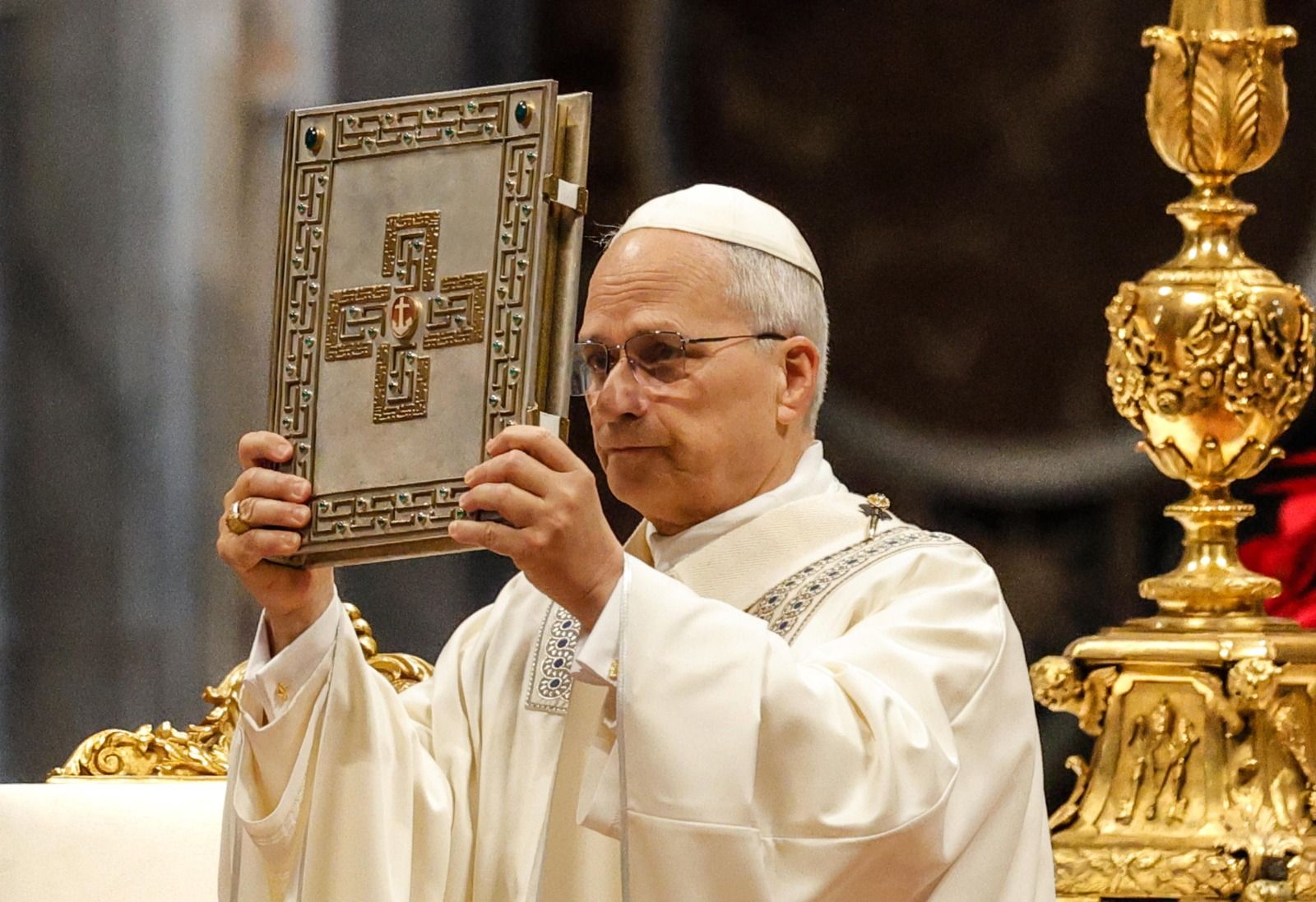
He condemned the development of autonomous weapons and the growing delegation of human control over arms, arguing that it reduces the possibilities of qualifying a war as just
Pope Leo XIV on Monday published the first major doctrinal document of his pontificate, an encyclical titled Magnifica Humanitas in which he calls for disarming artificial intelligence, warns of its risks to humanity, and delivers one of the most complete and firm apologies from the Vatican for the Catholic Church’s historical role in slavery. The word is strong, I know, but it has been chosen deliberately because this moment demands words capable of capturing attention, the pontiff said during the presentation of the text at the Vatican, as reported by the BBC.
The document, one of whose central threads is the warning about uncontrolled artificial intelligence development, traces a parallel between the historical tragedy of the slave trade and what the Pope describes as new digital slaveries. The pontiff said it is impossible not to feel a profound sorrow when contemplating the immense suffering and humiliation endured by so many and offered a sincere apology on behalf of the Church. He linked that acknowledgment to the risk that humanity may normalize exploitation both in the production chain of new technologies and in their applications, and compared current inaction over AI risks to the slowness with which both society and the Church came to denounce the scourge of slavery.
Leo XIV devoted part of the document to the use of artificial intelligence in warfare. He condemned the development of autonomous weapons and the growing delegation of human control over arms, arguing that it reduces the possibilities of qualifying a war as just, and warned of the beginning of an algorithm-based arms race. No algorithm can make war morally acceptable, he said. The pontiff also pointed to the impact of artificial intelligence on democratic politics through the manipulation of images and videos, and referred to the phenomenon of digital colonialism to link colonial-era abuses with contemporary technological practices.
In an unusual move, the Pope personally presented the encyclical at the Vatican, accompanied by artificial intelligence experts, among them Christopher Olah, co-founder of the US firm Anthropic. In remarks following the presentation, Olah said that AI laboratories, including his own, operate within a set of incentives and constraints that, at times, can come into conflict with the need to do the right thing, and called it a mistake to assume that the questions raised by AI can be managed exclusively by the sector’s scientific community. The pontiff convened a commission to follow up on the document’s recommendations, although questions remain about the effectiveness of doctrinal pronouncements against the pace of technological development, in line with the encyclical Laudato Si published by Francis in 2015 on climate change.