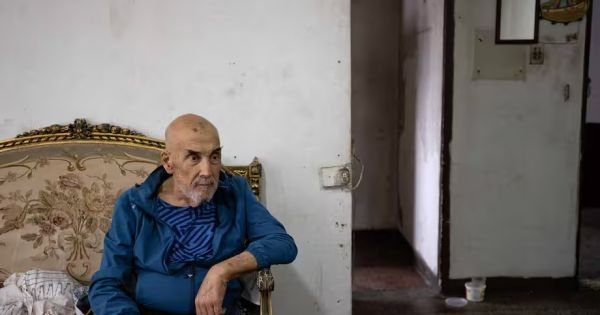
Uruguayan released in Venezuela slept in his building’s hallway after finding home taken by his captor
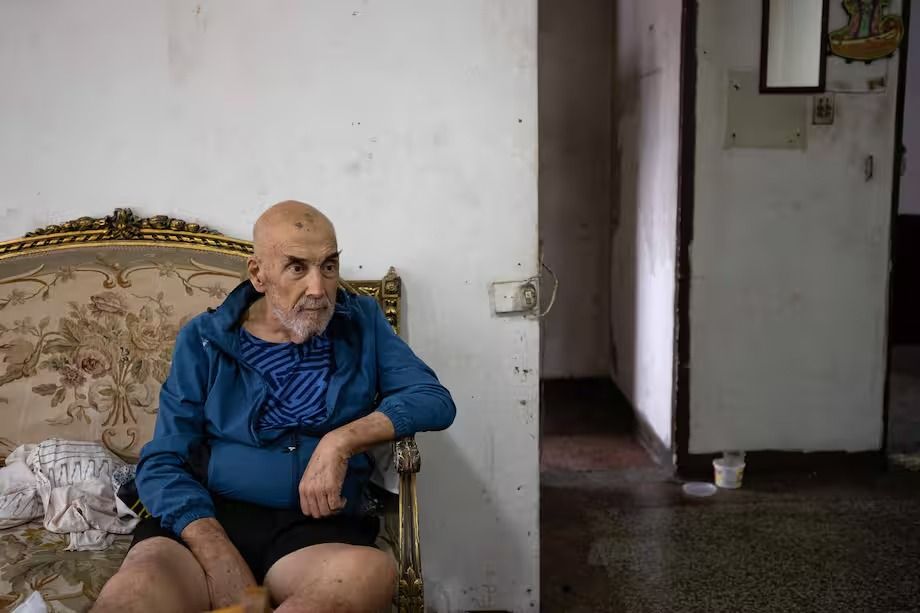
Originally from Uruguay, Breijo arrived in Venezuela in 1979 to work as a cook
Uruguayan-Venezuelan citizen José Breijo, 70, on Wednesday recovered the apartment that had been confiscated during his imprisonment in Caracas, after spending several days sleeping in the building’s hallway because one of the police officers who had arrested him in 2023 was occupying his home. The case, documented by the AFP news agency, illustrates the pattern of home confiscations denounced by Venezuelan political prisoners and exiled opposition figures during recent years.
Breijo was released last week under the amnesty law promoted by acting President Delcy Rodríguez, approved in February 2026 under pressure from Washington following the capture of former president Nicolás Maduro on 3 January in a US military operation. Upon returning to his apartment, where he had lived for more than two decades, he found that the property had been assigned three months earlier to one of the officers who had detained him. If I leave, they put me in jail, Breijo told the agency, describing how security forces tried to evict him from the hallway where he had set up a mattress. Several neighbors in the building, led by neighborhood leader Eulise Villarroel, denounced the situation before the Public Prosecutor’s Office and the Ombudsman’s Office. The transfer of the apartment was completed in the early hours of Wednesday, with the police officer’s departure.
Originally from Uruguay, Breijo arrived in Venezuela in 1979 to work as a cook at a luxury hotel in Caracas. He married a Venezuelan woman and stayed in the country. His arrest in late 2023 occurred, according to his own account, after attempting to sell a photograph he had taken of the offices of an alleged Islamist group in Caracas, during the initial outbreak of the war between Israel and Hamas. He needed USD 1,500 for cardiac catheterization surgery. The operation led to his indictment for terrorism, a charge that has been used during recent years against Venezuelan citizens and foreigners to process them in the national prison system.
In prison he was diagnosed with double pulmonary edema, a critical condition stemming from excess fluid in the lungs that endangers his life. After recovering his home, he found the apartment practically empty. There is nothing of mine here, he said. He was hospitalized on Wednesday evening to address his health. The Uruguayan embassy sent a consul who assisted in the efforts to recover the property. The case is part of a broader pattern. Magali Meda, the right-hand of Venezuelan opposition leader María Corina Machado, denounced from exile that sixteen armed men entered her home and marked it with secured and seized signs. According to the Foro Penal organization, at least 454 political prisoners remain detained in Venezuela, including 41 foreigners or dual nationals, despite the more than 8,000 amnestied that the government officially reports since the approval of the law.