Lula criticizes the resurgence of protectionism and unilateralism at the G7 summit
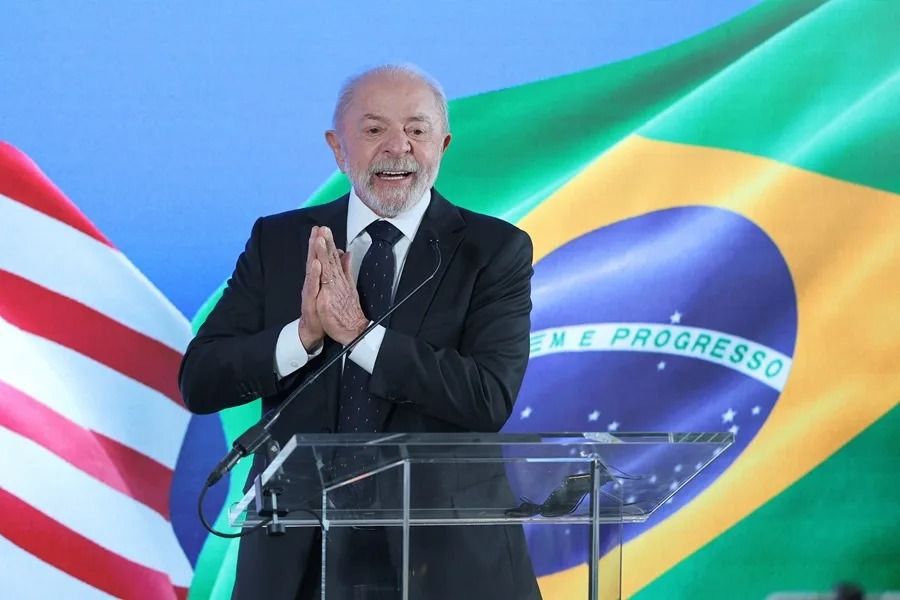
The president held that the distance between the prosperity of the most developed economies and the reality of the billions of people living in the global south had grown in recent years
Brazilian President Luiz Inácio Lula da Silva on Tuesday criticized the resurgence of protectionism and unilateralism during the G7 summit, arguing that those practices worsen the inequalities between rich and developing countries. Protectionism and unilateralism are now resurfacing as fallacious responses to the complexity of our problems, he said in his address at the meeting, held in the French city of Évian, in an apparent reference to Donald Trump’s government, according to the transcript released by the Brazilian Presidency.
The president held that the distance between the prosperity of the most developed economies and the reality of the billions of people living in the global south had grown in recent years, partly because of policies that favored the concentration of wealth. In his view, neoliberalism helped to deepen the economic inequalities and political crises affecting many democracies.
Lula also warned about the insufficiency of the resources allocated to sustainable development and the fight against climate change. He said that accelerating the implementation of the Paris Agreement would require raising climate financing to at least $1.3 trillion a year, and lamented the reduction in international development aid, which fell 23% last year, as well as the cuts suffered by bodies such as the World Food Programme, the World Health Organization and Unicef. The challenges multiply, but international solidarity shrinks, he said. The leader recalled that world military spending is around $3 trillion a year and defended reforms in the international financial system to prevent developing countries from having to choose between paying their external debts or financing their populations’ basic needs.
The Brazilian leader reviewed some initiatives promoted by his country, such as the fund to finance tropical forests and the Global Alliance against Hunger and Poverty, aimed at sharing experiences and promoting policies to reduce inequalities.
Lula also defended greater international cooperation against organized crime, drug trafficking, money laundering and arms trafficking, but warned that this effort must take into account respect for the sovereignty of states. The message, heard by Trump during the session, came after the United States included Comando Vermelho and Primeiro Comando da Capital, Brazil’s two largest criminal organizations, on its list of foreign terrorist organizations in late May. That decision, taken despite the opposition of the Brazilian government, opened a debate about security cooperation and the limits of other countries’ actions in Brazil’s internal affairs.