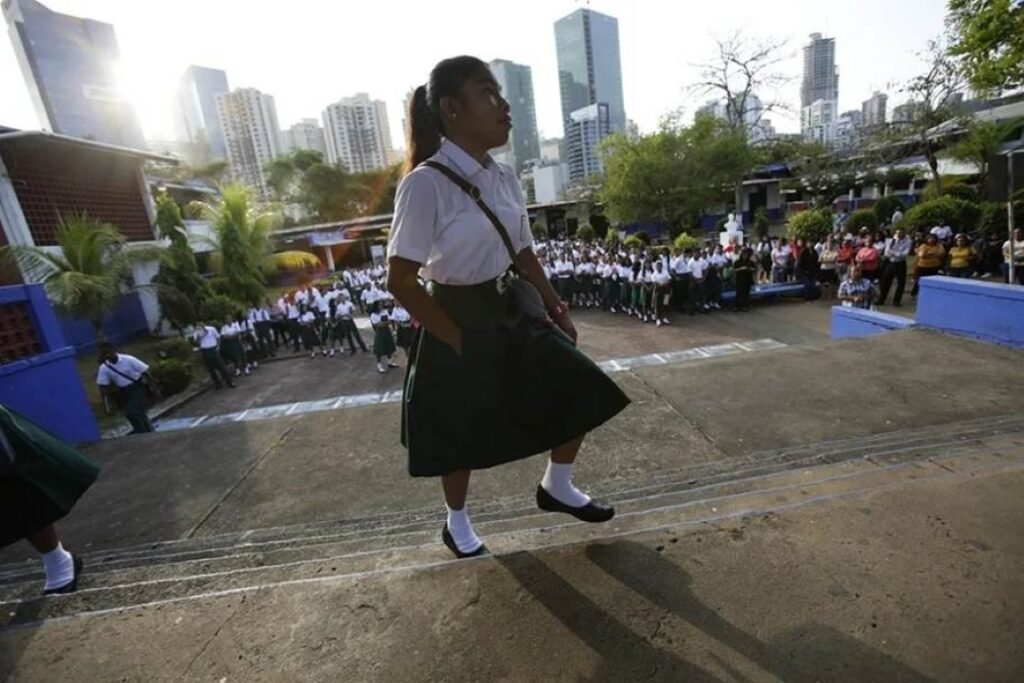
After two suspected bullying-linked suicides, Panama is confronting a school crisis long hidden by weak data, family shame, and digital cruelty, as activists push a tougher law treating student safety as a public health fight, not classroom discipline alone anymore.
A Country Hears the Children
The first thing that broke was not the law. It was the silence.
In Panama, where school uniforms still carry the promise of order and families often trust classrooms to be safer than the street, the deaths of two young people this year have forced a national pause. One was a 14-year-old adolescent with autism. The other was an 18-year-old university student. Both died in March, on the 8th and the 26th, and both cases are believed to be linked to bullying, according to activist Irma Ruiz in comments to EFE.
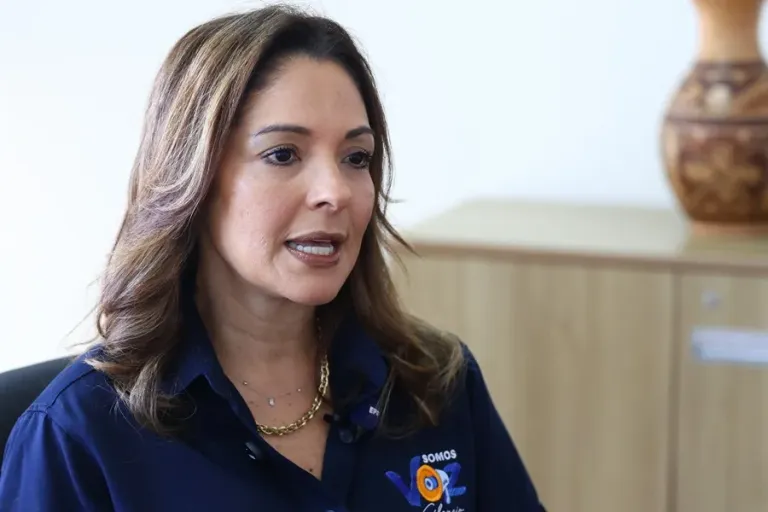
Ruiz, founder of the program “Somos Voz, No Silencio,” described the deaths as the moment that “lifted the voice and opened the eyes” of many Panamanians. Her phrase carries grief, but also indictment. Children had been speaking. Adults, institutions, and a culture trained to minimize cruelty as “kids being kids” were slow to hear them.
Panama does not have reliable national statistics on school bullying, a fact that should embarrass a country with the economic sophistication of a regional banking hub and the logistical pride of the canal. In the absence of trustworthy local data, Ruiz’s program relies on figures from the Global Organization Against Bullying, which estimated that 48.3 percent of students in Panama experienced bullying in 2025.
After the two fatal cases this year, Ruiz said the proportion of students suffering bullying rose to “8 out of 10.” The exact measure needs stronger institutional verification, but the political meaning is already clear. Panama is no longer discussing isolated cruelty. It is looking at a system that failed to count the pain until the pain became fatal.
EFE’s interviews and reporting place the issue where it belongs: not only inside schools, but inside homes, ministries, phones, assemblies, clinics, and the private anxieties of children who may be surrounded by people yet feel entirely alone.
The Pressure Cooker Opens
Ruiz told EFE that the two deaths were the point that “uncovered the pressure cooker.” Afterward, her program began receiving calls from mothers of victims, other relatives, and children “who are suffering a lot.”
That image, a pressure cooker, is painfully accurate. Bullying in Latin America often lives beneath several lids at once. There is the lid of shame when families fear stigma. The lid of hierarchy, when children are expected to endure. The lid of machismo, when boys are told to harden themselves. The lid of institutional convenience, when schools fear reputational damage more than emotional collapse. And now there is the digital lid, where humiliation follows a student home in a pocket.
Cyberbullying changes the architecture of fear. A child once bullied in a hallway could at least hope for a door, a bus ride, a bedroom. Now the insult travels. The edited photo, the group chat, the voice note, the mocking video, the anonymous account. The school day no longer ends at dismissal.
Dr. Zohra Abaakouk, international adviser on noncommunicable diseases and health determinants for the Pan American Health Organization in Panama, told EFE that school bullying and cyberbullying are among several factors associated with suicide in young people. She also cited a PAHO alert about a study published in May showing that suicide rates among people ages 10 to 24 rose 38 percent across the Americas over the past two decades, with the fastest increases among girls and children ages 10 to 14.
Those ages should stop any adult mid-sentence. Ten to 14 is not an abstract demographic. It is a child still losing baby teeth in some homes, still learning how to manage anger, embarrassment, desire, difference, and loneliness. It is an age when an insult can become a universe.
Panama’s own 2024 figures from the National Institute of Statistics and Census recorded four suicides among children ages 10 to 14 and 15 among adolescents ages 15 to 19. The data do not specify the circumstances. That absence matters. Without context, prevention is guesswork.
The new debate in Panama is therefore not merely about punishment. It is about building a state that can see children clearly before tragedy forces visibility.
A Law After the Wake
Ruiz and other activists are working with National Assembly deputy Grace Hernández to promote broader anti-bullying legislation. Technical sessions have already been held in Parliament, including one on June 25, bringing together government officials, families, companies, and the mother of the 18-year-old who died in March, according to EFE.
The proposed approach is wider than the laws now on the books. Ruiz told EFE that existing laws are being reviewed to be regulated and prevent and eradicate bullying and school harassment in Panama. She said the reforms must bring “certainty of punishment,” while the new law would also include private companies as support.
That private-sector component is not cosmetic. Panama’s economy depends on banks, logistics firms, ports, insurers, retailers, and digital platforms. If bullying now moves through devices, sponsorships, training, mental health campaigns, reporting tools, and corporate responsibility cannot remain outside the conversation. A country cannot ask schools alone to solve a problem that society manufactures.
Hernández has said the legislation should be comprehensive and preventive, establishing clear responsibilities for all actors and prioritizing prevention over repair. That order matters. Latin American institutions too often arrive after the wound, with ceremonies, statements, and a new protocol. Prevention is less photogenic. It requires training teachers, funding counselors, educating parents, protecting neurodivergent students, responding to online abuse, and making reporting safe.
Abaakouk told EFE that PAHO considers bullying and cyberbullying a public health problem. She called legal frameworks fundamental, but stressed that safe, protective, inclusive environments for children and adolescents are a shared social responsibility.
That is the heart of the matter. Panama not only needs a law with sharper teeth. It needs a cultural correction. The adult habit of dismissing cruelty as character-building has become indefensible. So has the belief that mental health belongs behind closed doors.
The country now faces a choice. It can treat the March deaths as terrible exceptions and return to routine. Or it can accept that the children were warning Panama about a larger fracture.
In a nation proud of connecting oceans, the most urgent bridge may be smaller and harder: the one between a child’s fear and an adult who believes it in time.
Also Read:
Latin America’s Data Center Gold Rush Tests Water, Power, Sovereignty