Argentina lowers age of criminal responsibility from 16 to 14, Senate approves new juvenile regime
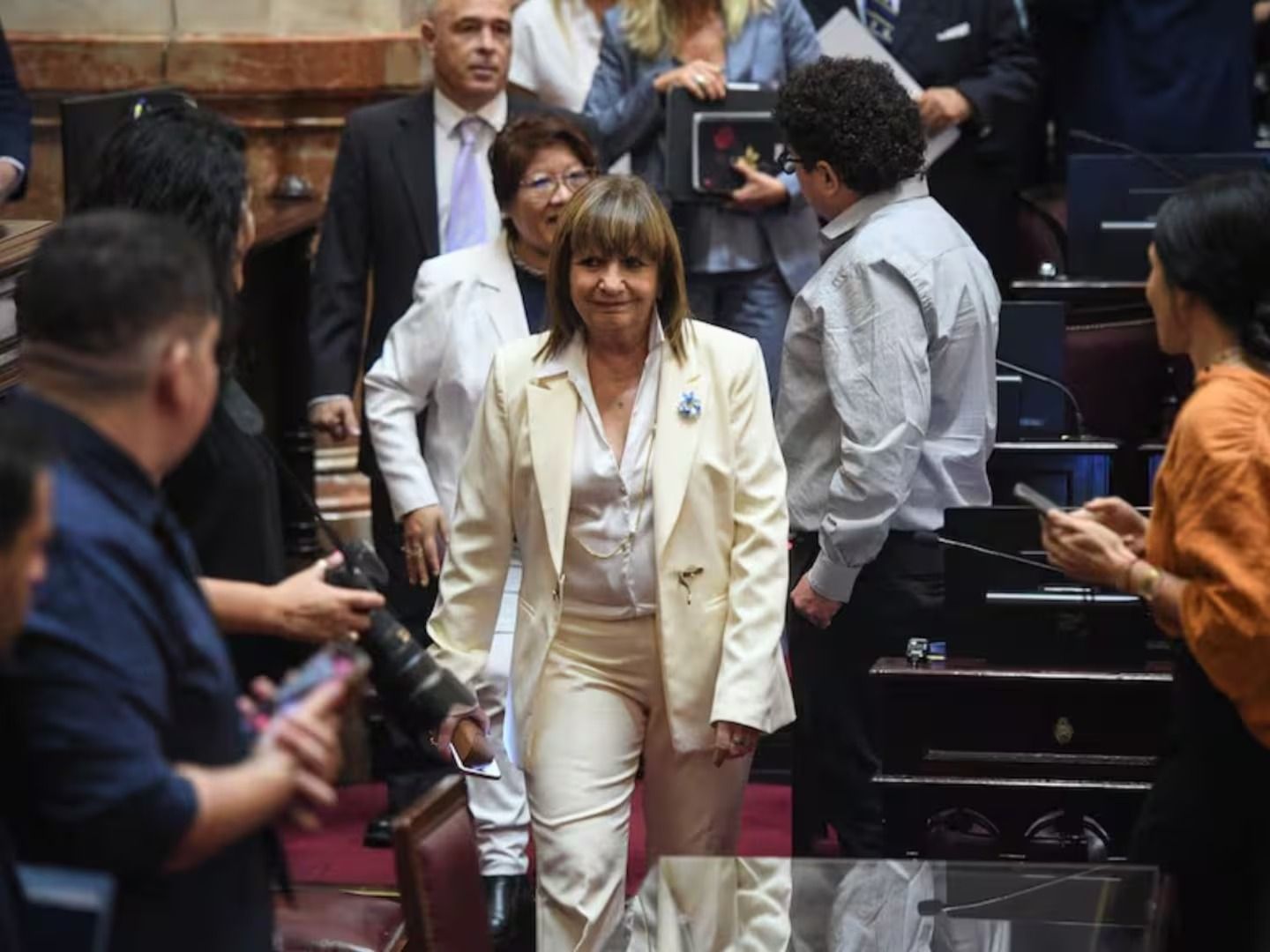
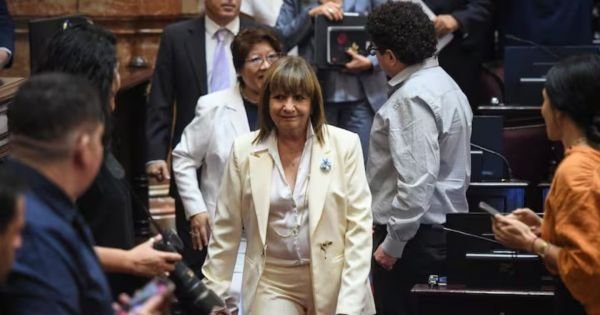
Senator Patricia Bullrich captured the government’s message with the line: “In Argentina of order, those who do it, pay for it,” presenting the reform as a response to public concern over insecurity
Argentina’s Senate passed a law on Friday lowering the minimum age of criminal responsibility from 16 to 14, a flagship “tough on crime” initiative backed by President Javier Milei. The bill cleared the upper house with 44 votes in favor, 27 against and one abstention, after it had already been approved by the Chamber of Deputies the previous week.
Under the new framework, 14- and 15-year-olds accused of criminal offenses can be prosecuted and tried and, if found responsible, face custodial sentences of up to 15 years. Government allies framed the reform around the idea of “adult crime, adult punishment,” while opposition senators argued the measure prioritizes punishment over broader prevention policies and could strain provincial capacity to implement the system.
Ruling-party senator Patricia Bullrich captured the government’s message with the line: “In Argentina of order, those who do it, pay for it,” presenting the reform as a response to public concern over insecurity. Another government senator, Nadia Márquez, described the existing juvenile framework as “archaic” and rejected claims that teenagers who commit crimes lack understanding of wrongdoing.
Opposition lawmakers warned that earlier incarceration may worsen outcomes. Peronist senator Alicia Kirchner said “age is not the problem” and urged a focus on addiction and mental health policies. Senator Martín Soria also cautioned that, given funding and infrastructure constraints, minors could end up detained in inadequate facilities.
Outside Congress, UNICEF issued a position paper on juvenile justice arguing against lowering minimum ages and stressing a rights-based, socio-educational approach with due process, reparation and reintegration, with deprivation of liberty used only exceptionally. Catholic bishops from commissions linked to social and prison pastoral work and Caritas also criticized the reform and called for prevention measures centered on education and mental health.
Supreme Court statistics show that, in the first half of 2025, 945 children and adolescents had at least one criminal case opened in the National Juvenile Justice system, with most cases involving property-related crimes.