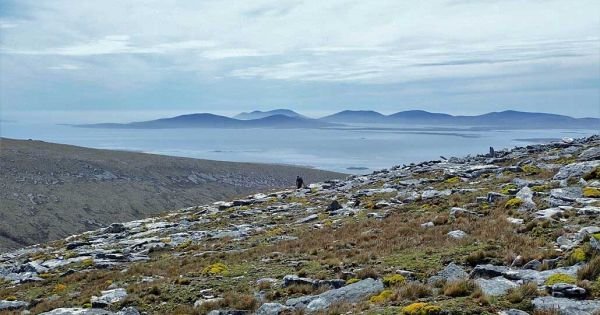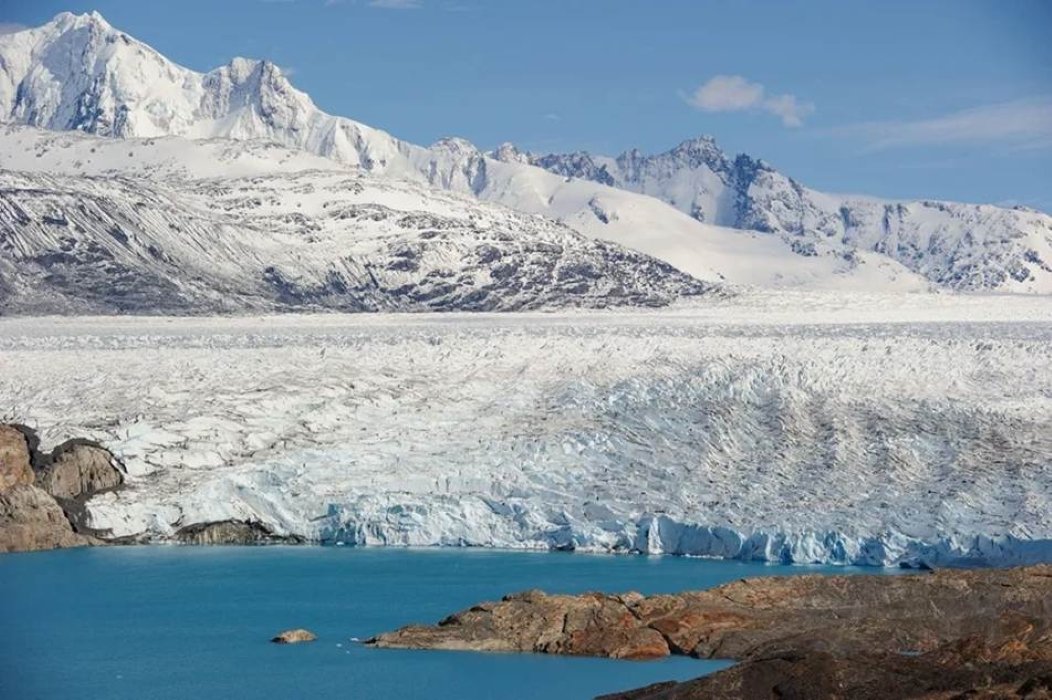
Argentina has eased mining restrictions in glacier regions, turning a legal reform into a national argument over water, provincial power, and development. In a country with more than sixteen thousand glaciers, the debate feels less technical than existential as drought and climate pressure deepen.
Who Gets to Define What Deserves Saving
The most important word in Argentina’s new glacier reform may not be mining. It may be defined.
As the BBC reported, Congress has passed a controversial amendment that makes it easier to mine in glacier regions, softening one of the country’s landmark environmental protections. The Glacier Law, approved in two thousand ten, had prohibited mining and exploration activities in glacier regions by protecting them as water reserves. That old law was built on a blunt and unusually clear principle. Some landscapes were too important to treat as deposits.
Now the country has chosen a different argument. The reform shifts responsibility for defining protected glacier areas away from the Argentine Institute for Snow, Ice and Environmental Sciences, known as Ianigla, and toward provincial governments. President Javier Milei backed the change and said it empowers the provinces to use their resources and allows mining where there was previously nothing to protect, according to the BBC.
That is not a minor administrative edit. It is a political reordering. Argentina is moving the line between preservation and extraction away from a national scientific body and closer to local power. Supporters call that realism. Critics hear something else. They hear the state redrawing the map of caution in favor of the map of opportunity.
The reform had already cleared the Senate in February two thousand twenty six, so lower house approval was the last major hurdle. By the time the vote arrived, the country was already divided. Protest rallies had formed. The public language had hardened. The argument was no longer about a narrow change in environmental procedure. It had become a fight over what kind of resource a glacier really is. Is it untouchable infrastructure for life, or land that can be partially reclassified when governments decide the economic need is pressing enough?
That question lands with special force in Argentina because this is not a country arguing over abundance. It is arguing over scarcity. The law may speak in the language of inventories, provincial authority, and strategic reserves, but the social fear underneath it is much older and simpler. If you loosen the protection around areas that store water, what exactly are you gambling with?
Water Is the Resource Beneath Every Promise
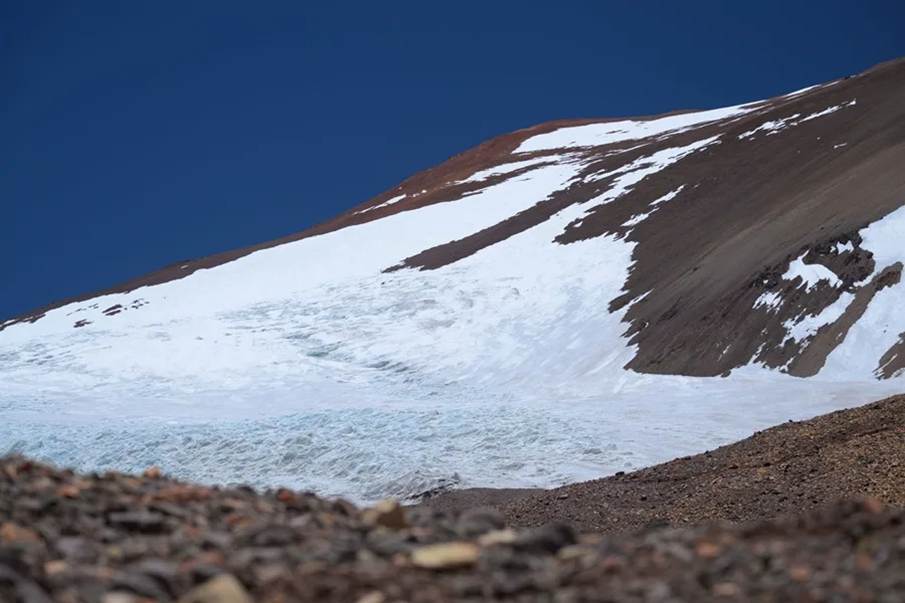
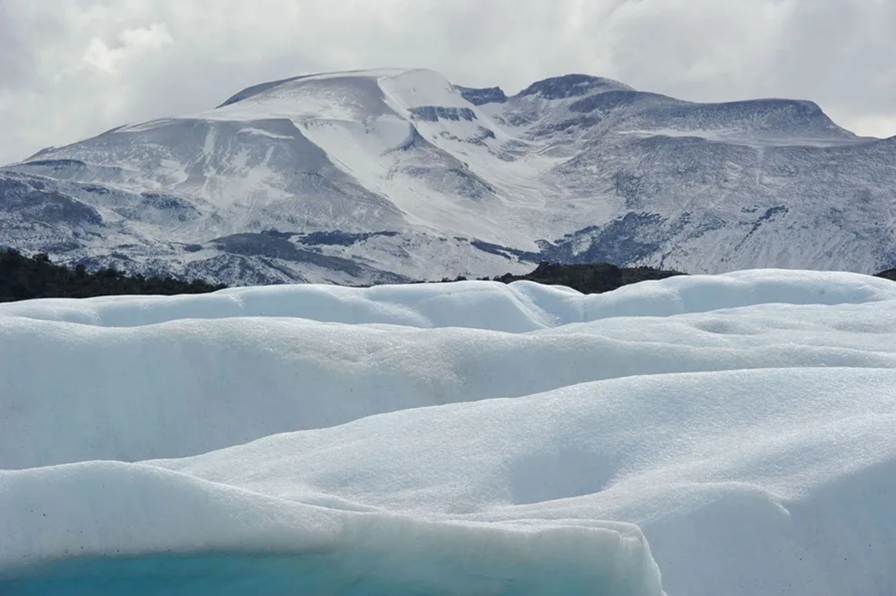
Opponents of the reform did not need to invent a dramatic slogan. The facts already carried enough weight. Argentina has 16,968 glaciers. They provide water to thirty-six36 river basins across 12 provinces, home to 7 million people. Water from melting glaciers helps reduce the impact of droughts, especially in semi-arid provinces like Mendoza, where climate change is making them more common.
Those numbers change the tone of the whole debate. A glacier is easy to romanticize from far away, as scenery, as a postcard, as frozen grandeur. But the legal fight in Argentina is more intimate than that. It is about taps, crops, rivers, dry seasons, and what happens when a country begins to treat its most reliable freshwater reserves as spaces open to reinterpretation.
Congresswoman Natalia de la Sota made that case starkly, as quoted by the BBC. “Without water, we can’t even think about a growth and development project,” she said. That sentence cuts clean through the official language of reform. It suggests that water is not an obstacle to development. It is the precondition for any development worthy of the name.
Greenpeace has made the same argument, criticizing the bill for suggesting that not all glaciers and periglacial environments act as strategic water reserves. Agostina Rossi Serra, a biologist working with Greenpeace, told the BBC that the primary function of all glaciers and the entire periglacial environment is to act as a freshwater reservoir. She also explained that periglacial environments, though not always covered by ice, contain water and undergo a gradual thaw that feeds rivers and streams across the country.
That matters because the reform not only touches the classic image of a glacier. It also affects periglacial environments, which may not look spectacular to the untrained eye but are frozen at least part of the year and, in the view of environmental critics, are part of the same hydrological logic. Rossi Serra stressed that many of the regions most eager to amend the law are arid and semi-arid areas where water is scarce. In other words, the reform is moving forward most eagerly where the margin for ecological miscalculation may be thinnest.
This is why the dispute feels so raw. Argentina is not simply arguing over whether mining can be cleaner or more efficient. It is arguing over whether a country under climate pressure should narrow the category of what counts as untouchable water infrastructure.
A Province Can Dig, but a River Still Travels
Supporters of the reform are not hiding their logic. Governors from mineral-rich provinces, including Catamarca, Jujuy, Salta, Mendoza, and San Juan, supported the bill, saying the 2010 Glacier Law hindered the goal of promoting a sustainable economic development of the provinces and the nation without compromising future generations. That phrase carries the familiar promise of Latin American extractive politics. We can dig, grow, and modernize now, while somehow keeping tomorrow unharmed.
Congresswoman Nancy Picón Martínez, a backer of the bill, complained that mining was being portrayed “as if it were a monster,” according to the BBC. She insisted the law still protects glaciers, no matter how much some people want the public to believe otherwise. And, indeed, the reform does not erase all protection in one stroke. After the change, glaciers and periglacial environments will remain protected by the national Ianigla inventory until provincial leaders prove they do not serve as strategic water reserves.
But that clause is exactly where the anxiety lives. The protection remains, yet the burden of interpretation shifts. The inventory still exists, yet the authority to challenge its meaning becomes more political. That is why opponents see weakness where supporters see balance. The fight is not only over glaciers themselves. It is over who decides when a glacier matters enough.
In Argentina, that question cannot stay local for long. Provinces may hold mineral wealth, but water refuses to obey political borders with the same discipline. Rivers move. Drought travels. The social consequences of a bad decision in one protected zone do not remain politely inside one provincial file.
That is what makes this reform feel bigger than a single legislative amendment. It captures a national instinct that recurs across Latin America: when economies strain, extraction regains moral prestige. It begins to sound like common sense. Environmental caution starts getting described as a luxury, a delay, or a central obstruction. The water question, meanwhile, gets pushed into the future tense.
Argentina’s old Glacier Law treated glaciers as reserves first and possible economic problems second. The new reform reverses that emotional order, even if it does not say so outright. It invites the country to trust that what looks frozen, marginal, or debatable can be opened more safely than critics believe. That trust may hold. Provincial governments will prove careful stewards. But the unease filling the streets is not irrational. It comes from understanding something basic. In an era of climate stress, a glacier is never only ice. It is stored time, stored relief, stored permission for life to continue a little longer. And once a country starts arguing over whether that is strategic enough to protect, it is no longer debating a remote landscape. It is debating its own risk threshold.
Also Read:
Chile Turns Easter Egg Hunt into Animal Theater with a Serious Lesson