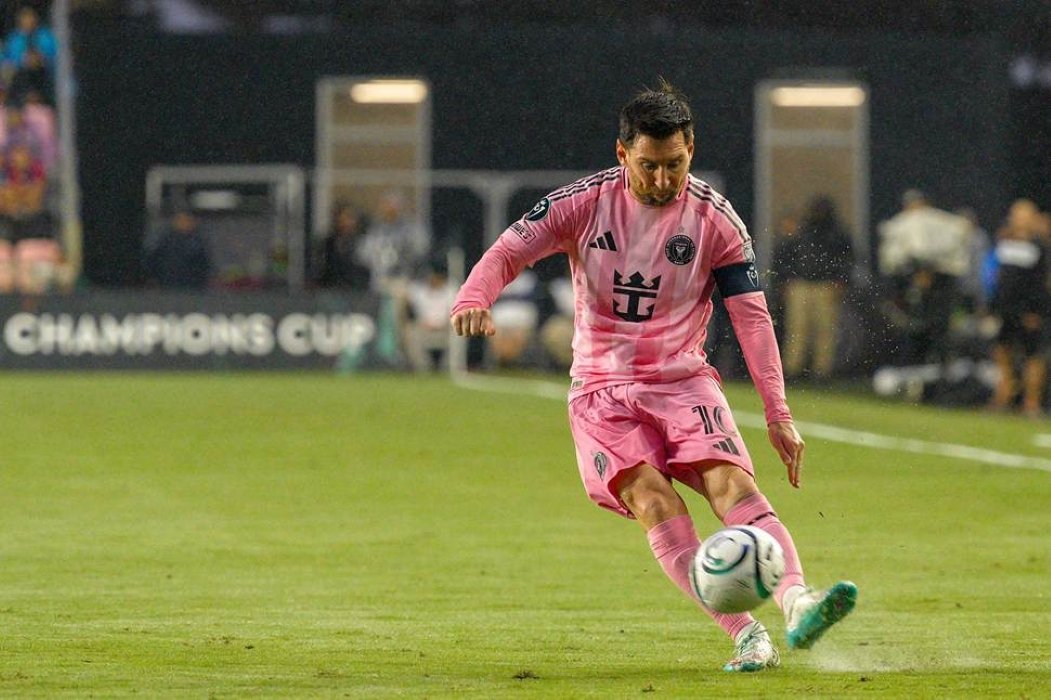
Lionel Messi’s 900th top-level goal was more than another astonishing statistic. For Latin America, it was a reminder that one Argentine career now carries a whole region’s hunger for dignity, continuity, and global relevance far beyond the old centers of power.
A Milestone Bigger Than One Man
Some sports records feel straightforward. Others carry a lot of history with them. Messi’s 900 top-level career goals definitely fall into the second group.
He reached the milestone quickly, just seven minutes into Inter Miami’s match against Nashville SC at Geodis Park in Tennessee during the Concacaf Champions Cup last 16 second leg. On paper, it was just another goal from a player who makes scoring look easy. But for Latin America, Messi’s achievement is never ordinary. It shows the region can still produce someone so remarkable and consistent that the numbers almost seem unreal.
BBC Sport frames the achievement in the company it deserves. Messi is only the second player in history to reach 900 top-level goals. He has done it across Barcelona, Paris Saint-Germain, Argentina, and now Inter Miami. He has scored 81 times in 92 appearances since signing with Inter Miami in June 2023, helping the club win the League Cup and MLS Cup. He has 196 caps for Argentina and 115 goals. The numbers are vast, but what matters politically is where they travel and what they come to represent.
Latin America has often been seen in a strange way by the world. People admire its style, passion, talent, and flair, but it’s often treated as less important in institutions, money, and prestige. Messi changes that almost by force. He doesn’t ask the world to feel sorry for the South. Instead, he makes it look with respect and amazement.
That compulsion matters. It gives the region something rarer than applause. It gives it symbolic authority.
Messi’s career runs counter to the usual idea that Latin American talent shines brightly but fades quickly. He became Barcelona’s youngest scorer at 17 years, 10 months, and seven days old, and has turned his brilliance into lasting success. His first goal came just three minutes after coming on for Samuel Eto’o in May 2005. After that, he scored 672 goals in 778 games for Barcelona, winning league titles, domestic cups, Champions Leagues, Super Cups, and Club World Cups. His long career isn’t just about sports—it also feels like a cultural statement. In a region used to disruptions, Messi’s steady presence feels almost political.
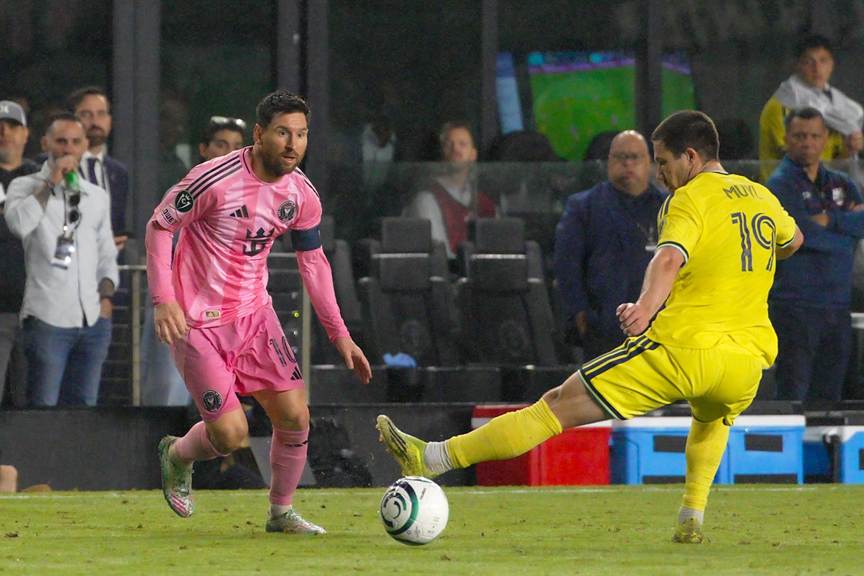
It’s tempting to see Messi as a genius without ties to any place, as if greatness ignores geography. But that’s not the case. He plays for Argentina and led them to a World Cup win in Qatar. Javier Mascherano, now Inter Miami’s manager and once his teammate, calls him “one of a kind.” That’s true, but it also shows how Messi is one of the few people today who lets Latin America show softness without weakness, prestige without begging, and excellence that needs no explanation.
The details of how he scores deepen that symbolism. According to Opta, 755 of his 900 goals have come with his left foot. He has scored 724 times from inside the box and 176 from outside it. He has 112 penalties and 70 free kicks. He has scored against Sevilla, Athletic Club, Atletico Madrid, Valencia, Real Madrid, and Levante more than against any others. These are technical facts, but together they tell a deeper story about authorship. Messi has not accumulated these numbers through one setting, one tactic, or one phase of the game. He has done it across systems, countries, and eras.
This makes Messi a soft power for the region that goes beyond football. Latin America has often exported labor, raw materials, music, pain, and spectacle. Messi is a different kind of export: undeniable mastery that changes the conversation. Even now, at 38, wearing an Inter Miami jersey in the U.S., he remains the center of attention. That’s important. For decades, influence usually moved from north to south. Messi flips that. The U.S. now hosts one of Latin America’s key cultural figures at the height of his fame—not as a relic, but as a living legend.
Messi’s milestone feels very regional because it comes from steady effort, not loud showmanship. He’s not about flashiness. He’s about repetition, discipline, and remarkable consistency. Politically, that matters because Latin America is often seen abroad as a place of crisis and chaos. Messi offers a different image—not a perfect fantasy, but proof that the region can deliver steady excellence over many years.
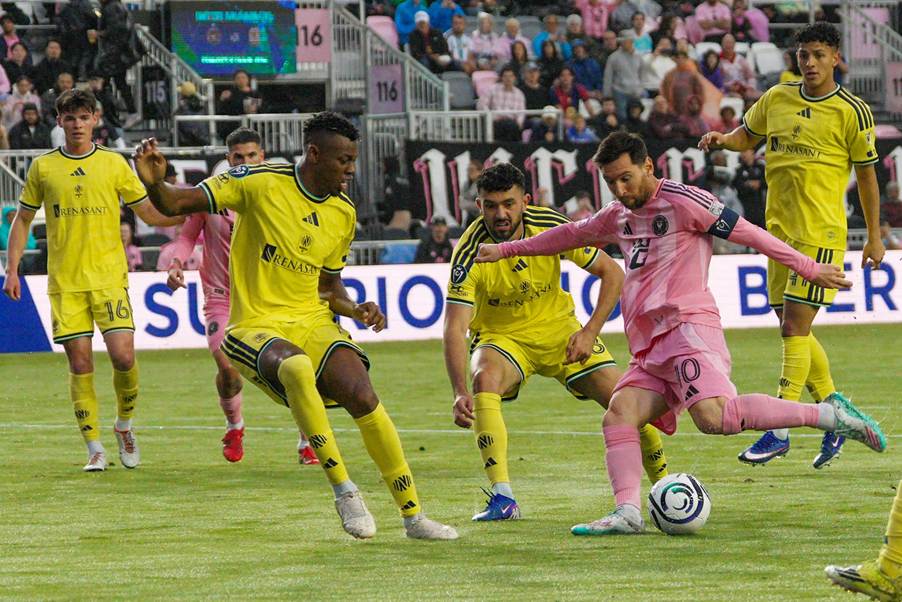
What Messi Now Means to Latin America
BBC Sport notes that only Cristiano Ronaldo joins Messi above the 900 mark in the history of the men’s game. Pele claimed more than 1,000, though statisticians at RSSSF rebutted that figure, crediting him with 778 official goals. Romario has 785. That lineage matters. Messi is not simply an isolated phenomenon. He stands inside a longer Latin American tradition of footballers who made the region unavoidable in the world game.
But Messi also changes that tradition. Pele and Romario represent one era of Latin American influence. Messi belongs to a new era in which global fame, club transfers, and national pride converge. He scored 32 goals in 75 games for Paris Saint-Germain. He has transformed Inter Miami since he arrived. He still leads Argentina and can change entire games with just one kick of his left foot.
Mascherano’s reflection is revealing in its humility. “I am a privileged spectator, nothing more, nothing less,” he said. He called the number insane and said that is why Leo is one of a kind. That language feels right because it captures the odd democratic experience Messi creates. Even those closest to him end up sounding like witnesses.
For Latin America, that witness means even more. Messi’s 900th goal isn’t just another trophy to add to a crowded shelf. It’s another chapter in the region’s conversation with the world. It shows that Latin America isn’t just a place where talent is found and sent away. It’s a place that keeps creating people who can change how the world sees prestige.
That could be the most political meaning of all. In a continent often asked to explain its failures, Messi offers a different legacy: excellence so clear it needs no approval.
Also Read:
Mexico’s Liga MX Keeps Turning Fading Legends into Unforgettable Folklore