Author: americalatinanews.com

  • Cuban Actor Breaks Dance Myths with Grief, Humor, and Motion


    At Sundance, where independent cinema thrives on contradiction, a Cuban actor admits he cannot dance—and turns that confession into a quiet argument about grief, movement, and how Latin American bodies are too often misunderstood on screen.

    Unlearning the Cuban Dance Myth

    Alberto Guerra knows exactly which stereotype he wants to dismantle first. The idea that all Cubans dance well, he insists, is fiction. Preparing for Ha-chan, Shake Your Booty!, a film competing at the Sundance Film Festival, learning to dance was not a flourish or a gimmick. It was the most challenging part of the job.

    “Físicamente me retó muchísimo, ese fue el mayor reto de hacer esta película. Hay como una idea bastante errónea de que todos los cubanos bailamos, yo no,” Guerra told EFE, speaking with the candor of someone aware that the myth flatters even as it confines.

    The admission matters because Guerra’s international fame—cemented by his portrayal of Ismael’ El Mayo’ Zambada in Narcos: México—has often been tied to intensity, menace, and controlled stillness. In Ha-chan, Shake Your Booty!, directed by Josef Kubota Wladyka, the Cuban actor is asked to do the opposite: to move, to sway, to let his body speak before words arrive.

    The film follows Haru, played by Rinko Kikuchi, and Luis, portrayed by Alejandro Edda, a couple who compete in ballroom dance tournaments in Tokyo, Japan. When tragedy fractures Haru’s life and pulls her away from dance, it is not therapy or discipline that brings her back, but an encounter. Enter Guerra’s character: a sensual Uruguayan dance instructor whose lessons are not limited to technique.

    “Es una de esas personas que uno se encuentra rara vez en la vida. Que te van soltando como consejos de vida sin que tú te des cuenta,” Guerra explained, describing the character as someone who teaches without preaching, he told EFE.

    In Latin American storytelling, mentors often arrive wrapped in charisma, humor, or contradiction. Guerra’s instructor is less a savior than a catalyst, an “alma libre,” as the actor calls him—free-spirited, transient, resistant to definition.
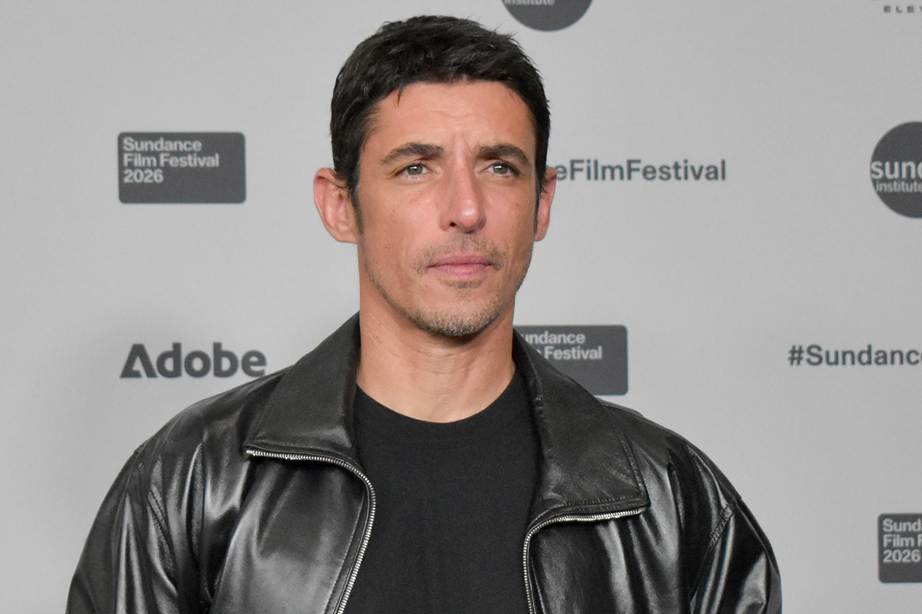
    Cuban actor Alberto Guerra during the Sundance Film Festival last week. EFE/ Mónica Rubalcava

    Training the Body to Tell the Story

    To inhabit that freedom, Guerra had to submit to discipline. Two months before filming, his preparation began in earnest, not only to learn choreography but to unlearn the rigid posture of a body trained for stillness.

    “Estuve ensayando coreografías y aprendiendo a bailar, pero no nada más eso, los bailarines tienen una postura muy única y una manera de caminar que parece que flotan. Había muchas cosas de este personaje que a mí me interesaba abordar que son muy sutiles,” he said, according to EFE.

    Those subtleties are central to Wladyka’s vision. Known for Dirty Hands, the director approaches dance not as spectacle but as language. His camera follows bodies the way others follow dialogue, attentive to weight shifts, hesitations, the quiet grammar of movement. The result is a film that resists easy categorization.

    Though officially labeled a drama, Ha-chan, Shake Your Booty! moves freely between tones. Comedy surfaces unexpectedly. Fantasy slips in through gesture and rhythm. Musical interludes echo classic Hollywood traditions without mimicking them. “Es un dramedy,” said actress Cristina Rodlo, who appears briefly in a pivotal moment alongside Damián Alcázar, grounding the story in emotional realism even as it flirts with whimsy, she told EFE.

    Before its public screening, Wladyka described the project simply as a “rara y muy única película de baile,” a phrase that feels more like a warning than marketing. This is not a film about winning competitions or mastering form. It is about what happens when movement returns to a life that has stopped.
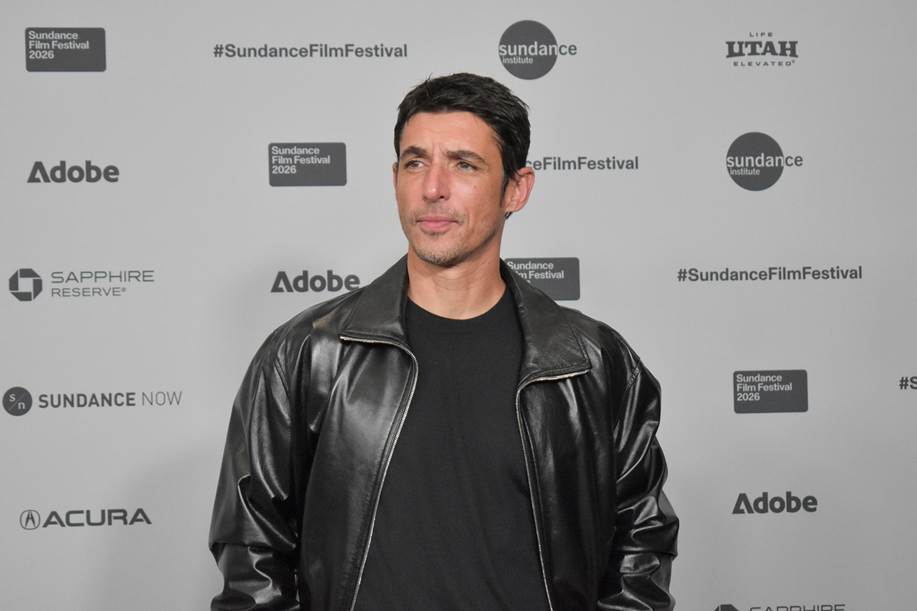
    Cuban actor Alberto Guerra during the Sundance Film Festival last week. EFE

    Grief in Motion Across Cultures

    For Alejandro Edda, the film’s power lies in how it treats mourning not as stasis but as process. “Es una historia de duelo con un tema de movimiento. Va desde la cámara, la acción del personaje y la música. Es como el movimiento que necesitamos en la vida para enfrentar situaciones difíciles,” he reflected, he told EFE.

    That perspective resonates deeply in a Latin American context, where grief is often communal, embodied, and ritualized—expressed through music, dance, and public gathering as much as through silence. By placing this sensibility in Tokyo, the film creates a dialogue between cultures rather than a clash. Asian restraint meets Latin openness, not as opposites but as complementary ways of surviving loss.

    The soundtrack reinforces that fusion. Classic boleros like “Nosotros” by Los Panchos with Eydie Gormé sit alongside “Stay With Me” (Mayonaka no Door), weaving emotional geographies that cross oceans. Music becomes a bridge, reminding viewers that longing travels easily between languages.

    This multicultural texture mirrors Wladyka’s own background—an American director with a Polish father and Japanese mother—yet the film avoids flattening difference into novelty. Instead, it lingers on the shared human need to move forward, literally and figuratively, after rupture.

    The premiere’s setting adds another layer. The Sundance Film Festival, which runs until February one, is being held for the final time in Park City, Utah, after more than four decades in its historic home. This year’s edition carries a sense of transition, a fitting backdrop for a film about change through motion.

    On Friday, the festival will honor its founder, Robert Redford, in a private gala attended by figures such as Amy Redford, director Chloé Zhao, documentarian Ava DuVernay, and actor Ethan Hawke—a reminder of Sundance’s legacy as a space where unconventional stories first learn to walk.

    For Guerra, the journey is personal as much as professional. By admitting he cannot dance, and then learning to move anyway, he challenges not only a stereotype but a broader expectation placed on Cuban bodies in global cinema: that they must always be rhythmic, sensual, legible. Ha-chan, Shake Your Booty! argues for something quieter and more radical—that movement can be learned, grief can be shared, and identity is not a performance but a process, practiced step by uncertain step.

    Also Read:
    Why Colombia’s Grief for Yeison Jiménez Runs So Deep: He Gave Voice to Their Pain


    Source link

  • Cuba Gasoline Lines Return as Venezuelan Oil Lifeline Suddenly Vanishes

    Cuba Gasoline Lines Return as Venezuelan Oil Lifeline Suddenly Vanishes


    As Venezuela’s oil abruptly disappears, Cuba’s streets fill again with gasoline lines, dark humor, and quiet fear, exposing how a geopolitical shock becomes a daily survival test for ordinary people, retirees, and workers already living on the edge of scarcity.

    When Caracas Turns Off the Tap

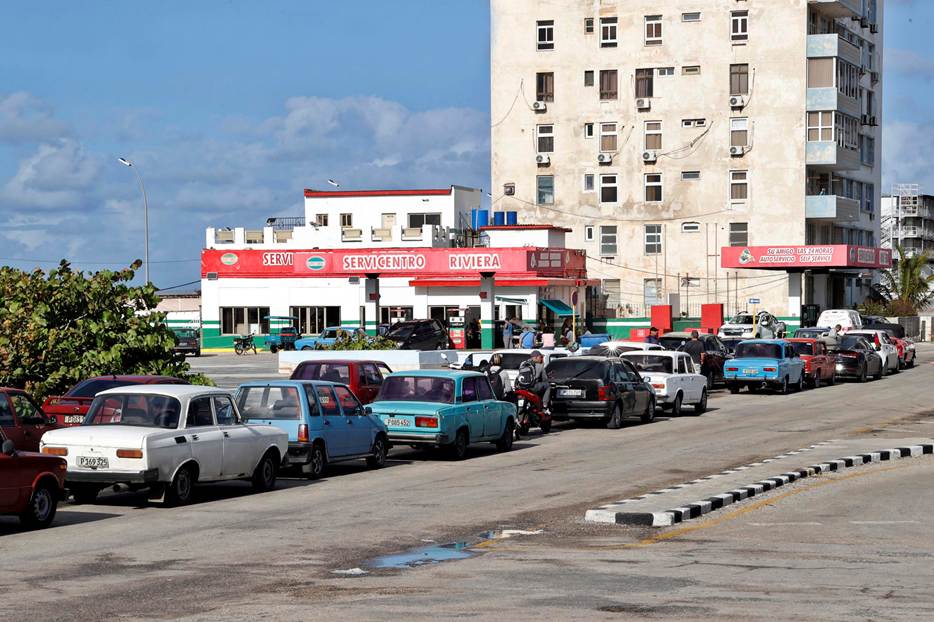
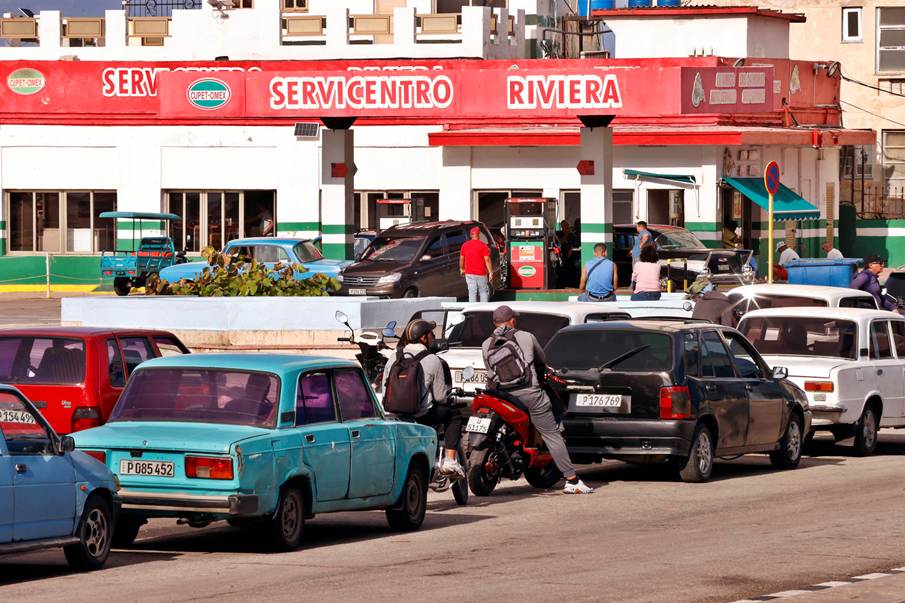
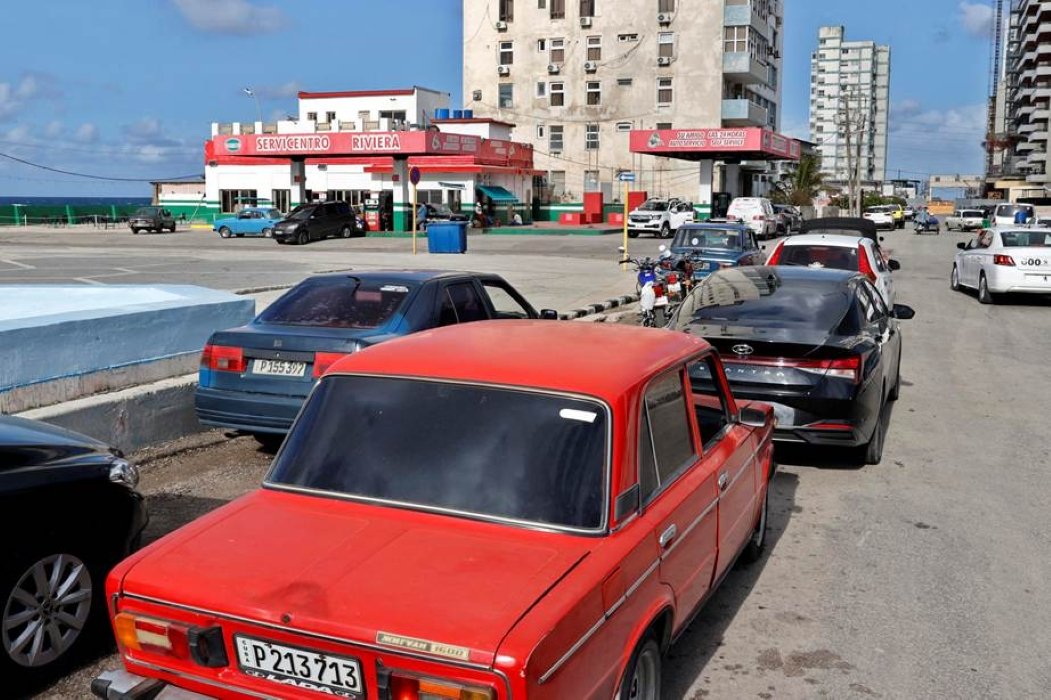
    Under the brutal Havana sun, perched on his motorcycle and barely moving in a gasoline line, Jesús Méndez, sixty-six, shrugs with Caribbean irony at the latest twist in Cuba’s energy saga. “Esto está duro… y tomó viagra para estar duro,” he jokes, a laugh masking fatigue, he told EFE. The line curls past a service station near the Malecón, engines idling, patience thinning.

    The trigger came from outside the island. The sudden cutoff of Venezuelan oil, following the capture of Nicolás Maduro in Caracas, has resurrected a familiar Cuban ritual: waiting. Long queues at gas stations—colas—are back, not as rumor or memory, but as lived reality. This time, many Cubans say, the fear feels sharper.

    For Yanely, forty-six, who has spent an hour without advancing a meter, these are not the “phantom lines” of past crises, when drivers waited days outside empty stations for a tanker that might never arrive. “Ahora es pánico,” she says, describing a rush driven by uncertainty rather than confirmed shortages. “La gente se previene… viene a llenar por temor,” she explains, standing outside a station overlooking the sea, she told EFE.

    According to estimates cited by Cuban officials and independent analysts, Venezuelan crude supplied roughly thirty percent of Cuba’s energy needs in 2025. Losing that flow opens a gap the state cannot easily close, constrained by a chronic lack of hard currency and limited access to alternative suppliers. The shock is immediate, but its consequences are structural.

    Cars line up for fuel in Havana as gas station queues return to Cuba after the cutoff of supplies from Venezuela. EFE/ Ernesto Mastrascusa

    Panic Lines and Unequal Fuel

    The new gasoline lines reveal something else: scarcity no longer distributes evenly. Across Havana, stations that sell fuel in U.S. dollars overflow with vehicles, while those charging in Cuban pesos sit silent, blocked by orange cones and empty tanks. EFE reporters observed the contrast street by street, a portrait of a country where currency determines mobility.

    The government dollarized part of the fuel network last year, seeking fresh revenue as tourism and remittances fell sharply. In the current crunch, those dollar stations have been prioritized. The result is a familiar Cuban paradox: fuel exists, but not for everyone.

    Four hours into his wait, Carlos, seventy-six, grips the steering wheel of his aging car. He bought dollars on the informal market after months of frustration with Ticket, the state-run mobile app that manages gasoline queues and can lead to waits of up to 2 months in Havana. “En moneda nacional no han surtido más,” he says quietly. “Aquí nadie gana en dólares. Hay que seguir luchando,” he told EFE.

    This dual system sharpens inequality in a society that once prided itself on rationed sameness. Scholars writing in journals such as Cuban Studies have noted how post-crisis reforms increasingly stratify access to essentials by currency, reshaping social hierarchies without formally naming them. Gasoline, once a logistical concern, now marks who can move and who must stay put.

    Cars line up for fuel in Havana as gas station queues return to Cuba after the cutoff of supplies from Venezuela. EFE/ Ernesto Mastrascusa

    An Economy Running on Fumes

    For many Cubans, the gasoline line is not about driving—it is about anticipation. Ramón García, seventy, a retired worker, says he learned to store small amounts of fuel at home long ago. But when he watched the U.S. military operation in Venezuela on January 3, he sensed a turning point. “Vine porque no sé lo que va a pasar mañana,” he explains. “Estoy casi seguro de que se va a notar,” he told EFE.

    Independent economist Miguel Alejandro Hayes puts numbers to that fear. In a study shared with EFE last week, he estimates that the end of Venezuelan oil shipments could trigger a 27% contraction in GDP, a 60% rise in food prices, and a 75% increase in transportation costs. In an economy already battered by inflation, power outages, and falling real wages, such figures suggest not a dip but a cliff.

    Cuba’s domestic oil offers little relief. What exists is heavy and sulfur-rich, difficult to refine, and unsuitable for much of the island’s aging infrastructure. Méndez, still inching forward on his motorcycle, voices the question many ask aloud: “¿De dónde vamos a sacar gasolina si aquí el petróleo está lleno de azufre y no sirve?” he told EFE.

    The broader context matters. Since the early two-thousands, Cuba’s energy matrix has depended on political alliances as much as geology. The partnership with Venezuela once cushioned the island against market prices and sanctions. Its collapse now exposes the fragility of an economy operating with minimal reserves, limited credit, and few buffers against external shocks.

    Yet the crisis is not only macroeconomic. It is domestic and intimate. Transportation underpins food distribution, hospital access, and informal work. When fuel tightens, everything slows. Families calculate trips. Ambulances wait. Buses thin out. The line at the pump becomes a line through daily life.

    At the Malecón, engines restart and shut off in rhythm, drivers sharing jokes and rumors. Dark humor, as always, softens the blow. But beneath it runs a familiar Cuban calculation: how long this will last, and what will be asked next.

    For now, the island waits. The queues stretch. And as the Venezuelan oil lifeline fades, Cuba’s endurance—honed by decades of scarcity—faces another test, one measured not in speeches or slogans, but in liters, hours, and the quiet arithmetic of survival.

    Also Read:
    Latin America 2025: Inflation Rates Declined Against All Odds


    Source link

  • Latinvex | Venezuela in Three Charts

    Latinvex | Venezuela in Three Charts


    Three charts that show the long shadow of Maduro’s economic disaster in Venezuela.

    BY IGNACIO ALBE AND
    ENRIQUE MILLÁN-MEJÍA

    WASHINGTON—Nicolás Maduro is out, but the economic legacy of his policies, and of Chavismo more broadly, remains. In the more than ten years he was in power, inflation soared, businesses collapsed, investment fled and withered, and the overall output of the economy fell by over two-thirds.

    The Venezuelan people will feel the effects of these policies for decades. The data available, albeit limited by the regime’s international isolation and autocratic nature, leads to one conclusion: Under Maduro, Venezuela experienced one of the most dramatic economic collapses of modern history.

    Below are three charts that show the depth of Venezuela’s economic collapse and the challenge ahead for the country to recover.

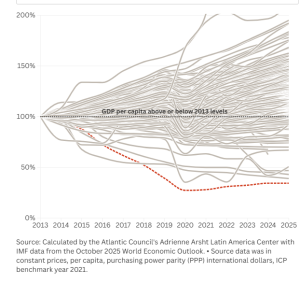
    Under Maduro, Venezuela experienced the largest GDP per capita collapse in recent history

    Yearly GDP per capita in constant terms compared to 2013 levels for all IMF countries, regions, and territories.


    Having induced the destruction of Venezuela’s productive sectors, fueled the migration of millions, and aggressively intervened in the economy, the regime triggered what we authors calculate to be the deepest drop in GDP per capita anywhere in the world since 2013. While Venezuelans’ economic woes began under Maduro’s predecessor Hugo Chávez, the full extent of the pain came after his death in March 2013. In the decade after Maduro came to power, Venezuelans lost some two-thirds of their per capita wealth.

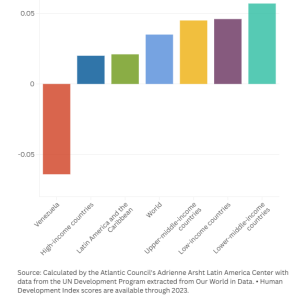
    Social and economic development in Venezuela fell under Maduro

    Change in Human Development Index score for 2023 compared to 2013.


    The collapse in economic activity made Venezuelans poorer, but in addition, the regime’s policies spurred the deterioration of the average Venezuelan’s overall well-being and the country’s human development. Since 2013, Venezuela’s score has fallen on the United Nations’ Human Development Index, which factors in life expectancy at birth and education, in addition to economic figures. While most of the world, especially developing countries, saw development indicators improve over the past thirteen years, Venezuela moved in the opposite direction, with major drops in indicators even beyond economic figures.

    With current trends, it would take Venezuela fifty years to catch up

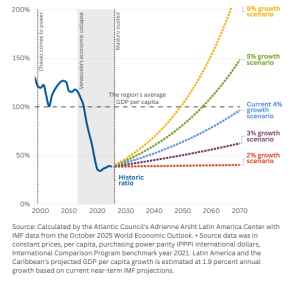
    Venezuela’s GDP per capita relative to the Latin America and the Caribbean regional average, both historic and under different growth scenarios for Venezuela.


    A good way to illustrate the challenge of Venezuela’s economic recovery is by comparing GDP per capita levels with those of regional peers. Venezuela has gone from far outpacing its neighbors in per capita wealth (before Chávez came to power) to becoming one of the region’s poorest countries. Making up this lost ground should be a priority for Venezuela’s future leaders, an objective that will require a monumental economic reconstruction effort and potentially one of the most significant recovery programs of this century.

    Multiple scenarios exist, but for Venezuela to catch up with its neighbors and bring its income levels back up to upper-middle income status will require concerted efforts to jumpstart its energy sector, diversify its economy, attract its diaspora, boost foreign investment, and build trust with investors and Venezuelans more broadly. As the chart above shows, catching up to the region (which itself has a lot of work to do to boost its own growth) will require half a century of above-average growth rates.

    Maduro and his regime’s policies have left a long shadow, but there is a path forward for the country. Venezuela’s future leaders must set the foundations for a lasting recovery for the country.

    Ignacio Albe is an assistant director at the Atlantic Council’s Adrienne Arsht Latin America Center. Enrique Millán-Mejía is a senior fellow for economic development at the Atlantic Council’s Adrienne Arsht Latin America Center.

    This article was originally published by the Atlantic Council’s Adrienne Arsht Latin America Center. Republished with permission.


    RELATED ARTICLES

    Venezuela After Maduro: A Cautionary Note for Business

    Venezuela After Maduro: No Quick Recovery

    Venezuela: An Ounce of Euphoria, A Ton of Uncertainty

    Maria Corina Machado’s Nobel Prize Lecture


    More Venezuela coverage


    More Venezuela


    Source link

  • Michael Appleton: Shrewsbury Town part company with head coach

    Michael Appleton: Shrewsbury Town part company with head coach


    There is no doubt Appleton’s 10 months at Croud Meadow coincided with a turbulent period on and off the field.

    Ainsworth’s sudden exit to Kent after four months in charge left Town reeling, 14 points from safety in League One with only nine games left, and Appleton with a near-impossible job to keep them up.

    After a summer rebuilding the squad for life in League Two, director of football Micky Moore left three games into the season and has not been replaced, with the club now moving on without anyone in that role.

    Added to that shift in direction, the ongoing search for new owners drags on following the collapse of two takeover deals in six months.

    Owner and chairman Roland Wycherley, celebrating 30 years at the helm in 2026, is still hopeful the club can be sold, but, for now, the more pressing search is for a fifth head coach in two and a half years.


    Source link

  • Ni Lenin reconocería lo que sucede en Cuba hoy, dice Rubio (VIDEO)

    Ni Lenin reconocería lo que sucede en Cuba hoy, dice Rubio (VIDEO)


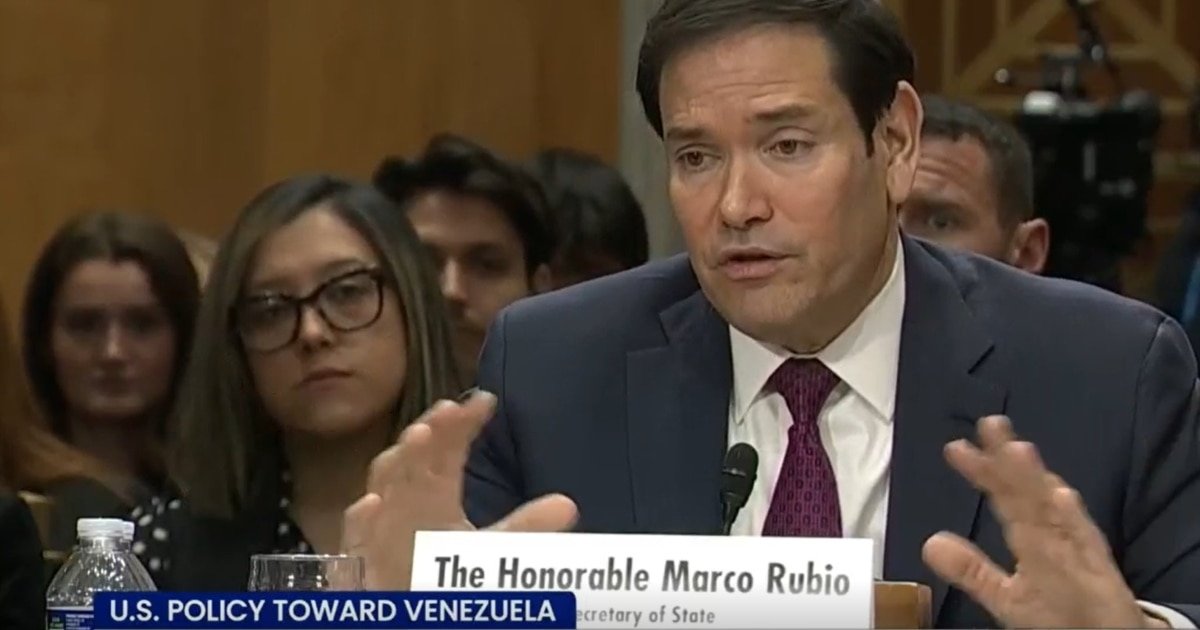
    Ni Lenin estaría de acuerdo con lo que sucede en Cuba hoy, dijo el Secretario de Estado Marco Rubio en una audiencia en el Comité de Exteriores del Senado de los Estados Unidos, donde se refirió claramente al deseo de que se logre un cambio de régimen en la isla.

    El cubanoamericano explicó que la situación de Cuba va más allá de la ideología marxista o comunista sino que está causada por la ineptitud de los gobernantes cubanos y del régimen que lleva más de seis décadas en el poder.

    Rubio afirmó que, al igual que en Venezuela, Estados Unidos está buscando una oportunidad para “cambiar la dinámica en Cuba”.

    “El país no tiene una economía funcional, lo pueden llamar marxismo o comunismo, pero ni siquiera Lenin reconocería esta versión. Este modelo económico no ha funcionado en ningún lugar del planeta”, acotó Rubio, en referencia al líder de la Revolución Bolchevique de 1917 y fundador del Estado soviético.

    “El sufrimiento en las áreas rurales de Cuba es profundo y no es por el embargo sino porque ellos no saben manejan una economía. ¿Cómo es que el embargo ha provocado que Cuba, el mayor productor de azúcar del mundo, esté importando azúcar?”, se preguntó el hijo de exiliados cubanos.

    Cambio de régimen

    Al responder una pregunta sobre declaraciones recientes de que “Cuba será la próxima” y si esto implica que EEUU busca un “cambio de régimen” en la Isla, Rubio fue enfático: “Por supuesto que queremos ver un cambio de régimen”.

    Pero aclaró: “No quiere decir que lo vayamos a hacer nosotros, pero nos encantaría que sucediera. Sería un gran beneficio para EEUU si Cuba no estuviera gobernada por un régimen autocrático”, afirmó.

    El secretario Rubio también recordó que la ley Helms-Burton, que codifica el embargo a Cuba, requiere un “cambio de régimen”. “Es algo que ya está legislado”, aseveró.


    Source link

  • Produção da Vale supera projeções e bate a Rio Tinto

    Produção da Vale supera projeções e bate a Rio Tinto


    A Vale divulgou números de produção de 2025 que vieram acima de suas metas e das projeções de analistas – além de superar a rival Rio Tinto na disputa pela liderança global do minério de ferro. 

    Com 336 milhões de toneladas, a mineradora brasileira atingiu o maior nível de produção desde 2018, o último ano em que esteve no primeiro posto do setor, antes do desastre de Brumadinho. 

    O guidance anual da Vale era de 335 milhões de toneladas, enquanto a australiana Rio Tinto totalizou 327 milhões de toneladas extraídas em seu complexo de Pilbara ao longo de 2025. 

    A produção de minério da Vale superou as projeções da XP e da Genial, e ficou em linha com as do BTG. Em cobre, foram 382 mil toneladas, acima das previsões e das metas da companhia, também o maior nível desde 2018. A mineradora bateu o guidance em todas as linhas de negócio.

    Gustavo Pimenta v2

    “Se ainda havia dúvidas pairando sobre a capacidade de execução, este é mais um reporte que ajuda a retirar essas preocupações,” escreveram os analistas do BTG, liderados por Leonardo Correa.

    Eles também disseram que temores recentes depois de vazamentos e interrupções nas minas de Fábrica e Viga “parecem exagerados” e que a empresa segue em forte momento operacional. “Não ficaríamos surpresos de ver uma reprecificação adicional nas ações.”

    O time da Genial, por outro lado, avaliou que números de embarques de minério de ferro abaixo do esperado podem gerar alguma reação negativa, um movimento de correção, após um rali significativo de 46% em seis meses, dois terços disso nos últimos 60 dias.

    “Em nossa leitura, o catch up das ações está integralmente concluído,” com “rápida descompressão do desconto de valuation após fortes entradas de capital estrangeiro,” acrescentaram os analistas. A Genial cortou a recomendação de Vale para “manter” nesta semana, antes dos números de hoje.

    A ação da Vale sobe cerca de 1% no começo do pregão. 

    Um gestor que tem Vale como uma de suas maiores posições disse que ainda vê upside na ação. Para ele, o mercado ainda está começando a precificar o potencial do crescimento da empresa em metais como níquel e cobre, cada vez mais valorizados devido à transição energética e à demanda de AI.

    “A Vale Base Metals deveria ganhar relevância com energia, eletrificação e terras raras.. Se for olhar, o minério de ferro está de lado e o papel quase dobrou,” disse este gestor.  

    Os futuros do cobre avançaram 40% em 2025 e tocaram novos recordes no começo deste ano, enquanto os do níquel tocaram máximas de dois anos agora em janeiro.

    A S&P Global publicou este mês um relatório projetando déficit de oferta de cobre à frente, com a demanda impulsionada também pela indústria de AI e pelos maiores gastos militares pelo mundo. 

    A expectativa de demanda pelo cobre, inclusive, tem sido vista como um fator chave para as negociações entre Rio Tinto e Glencore para uma potencial fusão, que vieram a público neste ano.


    Luciano Costa


    Source link

  • Wall Street abre con ganancias previo a reunión de la Fed: ¿Cómo cotiza HOY?

    Wall Street abre con ganancias previo a reunión de la Fed: ¿Cómo cotiza HOY?


    Los principales índices accionarios de Wall Street registran movimientos al alza en las primeras horas de negociación.

    Los mercados estarán atentos a la reunión de política monetaria de este miércoles por parte de la Reserva Federal y aunque no se esperan cambios a la tasa de interés los operadores fijarán la mirada en las señales sobre el próximo recorte a la tasa, así como las expectativas del mercado laboral y la inflación.

    El Nasdaq reporta un aumento del 0.43 por ciento, en los 23 mil 918 puntos, seguido por el S&P 500 que sube 0.17 por ciento, en los 6 mil 990 enteros, y para el caso del Dow Jones, este reporta una subida marginal del 0.06 por ciento, hacia las 49 mil 030 unidades.

    La baja volatilidad se refleja igualmente en el índice VIX, el cual registra una contracción del 2.4 por ciento en las primeras horas de negociación, al situarse en los 16.71, ligeramente por encima del cierre de ayer.

    Asimismo, índices accionarios en Europa reportan descensos en su mayoría, como el 1.06 por ciento, para el IBEX 35 de España, que ronda en los 17 mil 616 enteros, el DAX en Alemania con un ligero ajuste a la baja del 0.29 por ciento, se sitúa cerca de las 24 mil 823 unidades, el CAC 40 de Francia baja 0.84 por ciento y se ubica en los 8 mil 084 puntos.

    Las negociaciones a nivel local ubican al S&P/BMV IPC de la Bolsa Mexicana de Valores con una subida del 0.71 por ciento, colocándose en los 69 mil 366 enteros y para el caso del índice estelar de la Bolsa Institucional de Valores, el FTSE-BIVA, sube 0.76 por ciento, al ubicarse en los mil 373 puntos.

    En el frente petrolero, los crudos marcadores registran variaciones al alza de 0.85 por ciento para el West Texas Intermediate (WTI) que se coloca en los 62.86 dólares por unidad, mientras que el referencial Brent sube 0.61 por ciento, en un nivel de 67.98 billetes verdes el barril.


    Source link

  • Tragic Deaths in Ecuador Prisons Highlight Growing Crisis: Authorities Fail to Provide Answers

    Tragic Deaths in Ecuador Prisons Highlight Growing Crisis: Authorities Fail to Provide Answers


    Over 500 deaths in Ecuador’s largest prison in 2025 reveal a crisis that demands urgent attention from the public and policymakers, as families describe a slow catastrophe of hunger, disease, and silence inside a space where survival depends on money or luck.

    When Violence Fades, Neglect Takes Over

    The bloodiest images of Ecuador’s prison crisis once came from massacres: mutilated bodies, burned cellblocks, headlines counting dozens of dead after gang clashes. In 2025, those scenes have largely receded within the Penitenciaría del Litoral, the country’s largest and most feared prison in Guayaquil. But for the families waiting outside its concrete walls, the quieter numbers are more alarming.

    More than five hundred inmates died in the prison this year from causes officially described as “natural” or “under determination,” many linked by relatives to tuberculosis and severe malnutrition. Families like Ana Morales’s describe a living hell, emphasizing their deep concern and the urgent need for attention.

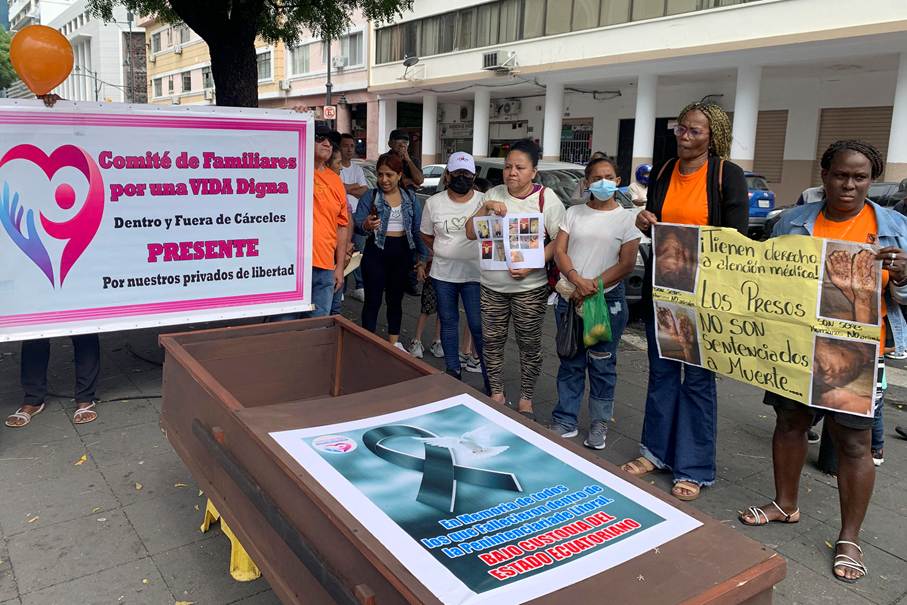
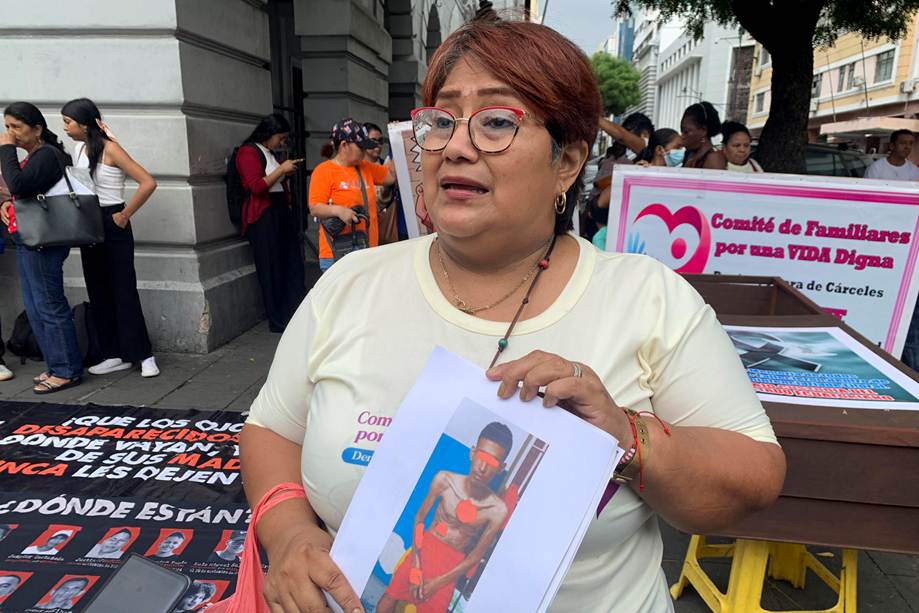
    Morales joined dozens of relatives outside the provincial government delegation in Guayaquil, demanding explanations delayed for months. Their warnings about sick inmates, nonexistent medical care, and unsafe food highlight systemic neglect that should alarm policymakers and the public alike.

    Inside the prison, which holds around 7,200 detainees, violence did not vanish. It changed shape. The gunshots stopped, but bodies kept leaving.

    A protest in Guayaquil, Ecuador, over the deaths of more than 500 inmates in 2025 at the country’s most dangerous prison. EFE/ Cristina Bazán

    Death Certificates Without Answers

    As deaths increased, families appealed to courts and international bodies. On January 5, the Inter-American Commission on Human Rights issued precautionary measures, warning of ‘gravity and urgency’ and risking ‘irreparable harm’ to inmates’ rights, underscoring the need for immediate action.

    State figures show the scale of the problem. Between January and September, 564 deaths were recorded in the prison: 288 labeled as “natural,” 262 as “undetermined,” and 14 classified as violent. Authorities insist inmates are receiving medical attention. Families say the paperwork hides the truth.

    “They don’t put tuberculosis on the death certificate so they won’t get into trouble,” said Benigna Domínguez, whose son died in July, months after contracting the disease inside the prison, she told EFE. She had no contact with him for six months. When she finally saw him, he was emaciated, covered in rashes, barely recognizable. “He told me they were killing them with hunger. He also had scabies,” she said. The food he received, she added, sometimes contained “rat and bat feces.”

    Tuberculosis thrives in overcrowded, poorly ventilated spaces. Medical journals such as The Lancet Infectious Diseases have long warned that prisons in Latin America function as reservoirs for the disease when screening, isolation, and treatment collapse. In Ecuador’s case, families allege those safeguards never existed.

    The deaths did not slow. At least twelve inmates have died so far this year, according to the families’ committee, even as the prison remains under heavy military control.

    A protest in Guayaquil, Ecuador, over the deaths of more than 500 inmates in 2025 at the country’s most dangerous prison. EFE/ Cristina Bazán

    Militarization Without Care

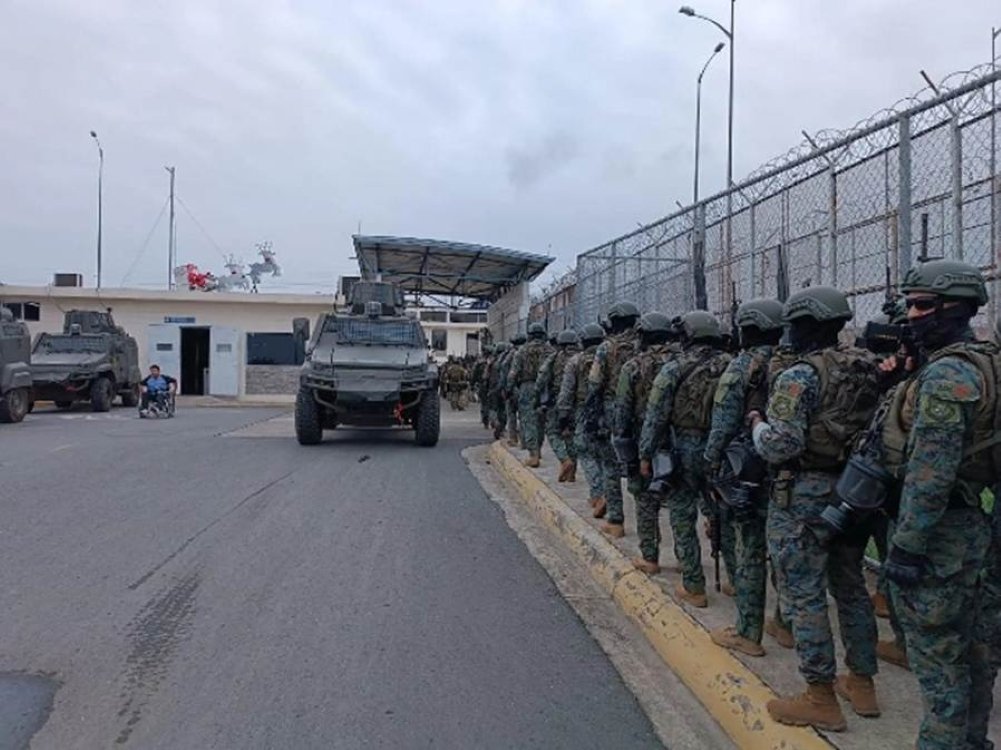
    The Penitenciaría del Litoral is one of several prisons militarized after President Daniel Noboa declared Ecuador under an “internal armed conflict” in 2024, granting security forces extraordinary powers to confront criminal groups. For families, the presence of soldiers has not translated into protection.

    “Now the soldiers decide who lives and who dies,” Domínguez said. “There is torture and extortion, in complicity with the military,” she told EFE. Her accusation reflects a more profound fear: that militarization, designed to stop gang violence, has created new layers of impunity when abuses involve the state itself.

    For Reyna Guerrero, the consequences were devastating. One of her sons died in August from what she says was chronic malnutrition. She fears for another son still imprisoned with the same condition. She learned of the first death not from authorities but from other inmates’ relatives, five days later. Prison officials told her he was alive. She found him in the morgue. “They never let a doctor examine him,” she told EFE.

    Rosario Carrillo has not seen her son in over a year. She knows his condition worsens with tuberculosis, and her plea to keep him alive underscores the moral imperative for immediate reform and humane treatment.

    Their testimonies converge on a single point: death inside the prison is not an exception but a process—slow, bureaucratic, and largely invisible.

    A person holds a photograph during a protest in Guayaquil, Ecuador, over the deaths of more than 500 inmates in 2025 at the country’s most dangerous prison. EFE/ Cristina Bazán

    A Crisis Beyond the Walls

    Ecuador’s prison emergency did not emerge in isolation. Over the past decade, the country’s incarceration rate rose sharply, driven by punitive security policies, overcrowding, and judicial delays. The Penitenciaría del Litoral became a pressure cooker where poverty, organized crime, and state abandonment collided.

    When massacres shocked Ecuador between 2021 and 2023, they exposed gang control inside prisons. But the underlying problems—overcrowding, hunger, contaminated water, and healthcare collapse—are still unaddressed, showing a systemic failure that calls for urgent reform to prevent further tragedies.

    Academic research in Revista Panamericana de Salud Pública has documented how carceral neglect in the region disproportionately affects inmates from poor and racialized communities, turning sentences into de facto death risks. Families in Guayaquil describe that transformation precisely: punishment morphing into abandonment.

    After the latest protests, government officials committed to installing a kitchen inside the prison and deploying permanent medical brigades. The families’ committee says it will verify those promises during a visit tomorrow, led by the Defensoría del Pueblo.

    For now, hope remains fragile. The numbers are too large, the explanations too thin. Ecuador succeeded in reducing spectacular violence inside its most dangerous prison, but at the cost of exposing a quieter horror: people dying not in riots, but in silence.

    In the end, the families are asking for something painfully basic. Food that does not poison. Doctors who arrive before the morgue. Death certificates that tell the truth. Until that happens, the Penitenciaría del Litoral will remain, in their words, not a prison—but a waiting room for death.

    Also Read:
    Guatemala Prisons Rule Streets While Cells Command Violence Economy


    Source link

  • ICANN Launches Caribbean Premiere Of ICANN Near You In Guyana

    ICANN Launches Caribbean Premiere Of ICANN Near You In Guyana


    MONTEVIDEO, Uruguay, Jan. 28, 2026 /PRNewswire-HISPANIC PR WIRE/ — The Internet Corporation for Assigned Names and Numbers (ICANN) invites the Caribbean Internet community to participate in the first ICANN Near You event for the Latin America and Caribbean (LAC) region. The event will take place from 3 to 5 February 2026 in Georgetown, Guyana. The inaugural event offers an accessible and responsive approach to addressing region-specific technical and Internet governance needs.

    ICANN logo

    Hosted in collaboration with the University of Guyana and the Internet Society, the three-day program brings ICANN’s technical expertise directly to local stakeholders to help address challenges related to the local identifier system. The University of Guyana plays a central role in the country’s Internet ecosystem, hosting Guyana’s Internet Exchange Point as well as the country code top-level domain name, .gy. The agenda includes hands-on workshops on the Domain Name System (DNS), Domain Name System Security Extensions (DNSSEC), and security best practices for Internet service providers and network operators, aimed at strengthening local technical capacity and enhancing the resilience of Guyana’s Internet infrastructure.

    “The Caribbean premiere of ICANN Near You in Guyana reflects the strong regional and national collaboration that makes the multistakeholder model work,” said Rodrigo de la Parra, ICANN Vice President for Stakeholder Engagement and Managing Director for Latin America and the Caribbean. “We are grateful for the active participation of the Secretariat of the Caribbean Community (CARICOM) and the Office of the Prime Minister of Guyana, as well as the contributions of community leaders such as Lance Hinds, Chair of LACRALO, and Internet governance expert Claire Craig, participating through ICANN’s Community Regional Outreach Program (CROP). Their leadership and support underscore a shared commitment to strengthening technical capacity and Internet resilience across Guyana and the wider Caribbean.”

    The event will feature sessions highlighting how stakeholders across Guyana, from students to government officials, can contribute to a stable, secure, and unified global Internet. In addition, ICANN representatives will share practical ways with local law enforcement and government agencies to address DNS Abuse and demonstrate how Guyanese stakeholders can further engage with ICANN’s multistakeholder process.

    Participating in ICANN Near You in Guyana is free and open to all. The event will be held at the University of Guyana. For additional details and to register, please visit the registration page.

    About ICANN
    ICANN’s mission is to help ensure a stable, secure, and unified global Internet. To reach another person on the Internet, you need to type an address – a name or a number – into your computer or other device. That address must be unique so computers know where to find each other. ICANN helps coordinate and support these unique identifiers across the world. ICANN was formed in 1998 as a nonprofit public benefit corporation with a community of participants from all over the world.


    Source link

  • Raheem Sterling leaves Chelsea by mutual consent

    Raheem Sterling leaves Chelsea by mutual consent


    Sterling signed a five-year £325,000-per-week contract in 2022, relocating his young family in the process.

    The £47.5m transfer was a statement of intent by Todd Boehly, who at the time was acting as sporting director, and Clearlake Capital.

    However, the people behind the deal are no longer in charge at the club.

    In addition to Boehly’s diminishing influence, Thomas Tuchel was the head coach who oversaw Sterling’s arrival.

    Then came Graham Potter, then Frank Lampard, and then Mauricio Pochettino, all within Sterling’s first two seasons at the club, in which he played 81 times and scored 19 times as Chelsea finished 12th and then sixth.

    But two years into his contract Chelsea effectively ended his role as a first-team player when new manager Enzo Maresca decided Sterling was not in his plans.

    He did not play for the club again and spent last season on an underwhelming loan at Arsenal.


    Source link

Translate »