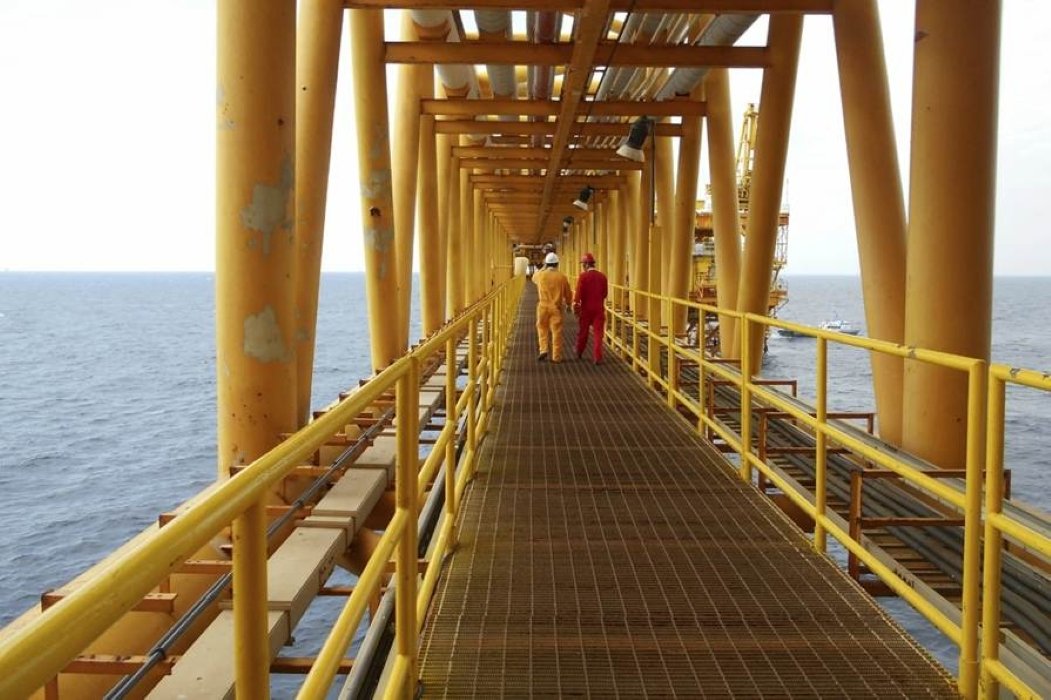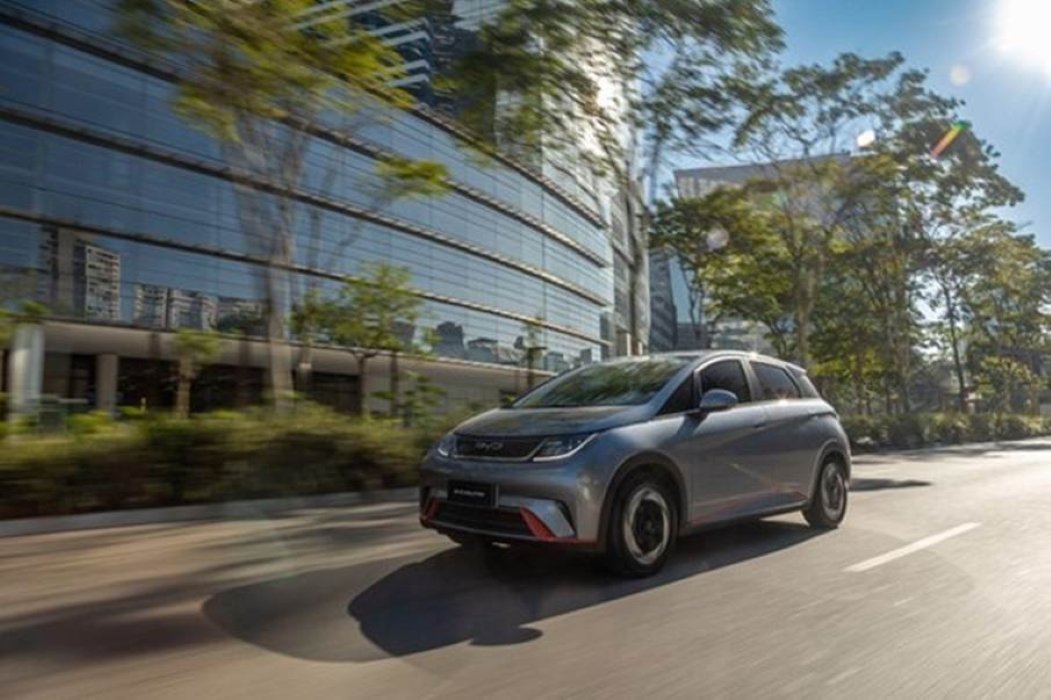
A flagship factory for electric and hybrid vehicles has put Brazil’s labor model under a hard light, as inspectors tied BYD to illegal migrant recruitment, degrading housing, exhausting workdays, and conditions analogous to slavery inside a celebrated new industrial project.
A New Factory and an Ancient Pattern
Brazil likes to tell itself a certain story when a major industrial project arrives. Investment. Jobs. Technology. A place on the map of the future. In Camaçari, that story came wrapped in the language of electric and hybrid vehicles, in a BRL 5.5 billion investment, and in the inauguration of BYD’s first automobile factory in Brazil. It sounded like the kind of project a country points to when it wants to say it is not stuck in the past.
Then the Ministry of Labor and Employment released a new list of 169 employers included in the Registry of Employers who have subjected workers to conditions analogous to slavery. Among them was BYD.
That is the part that rearranges the whole picture. According to Agência Brasil’s report, what should have served as proof of industrial modernization is now also a case study in how easily old coercive labor practices can hide within shiny new development. The contradiction is almost too clean. An electric future assembled through forced labor, degrading conditions, and immigration fraud is not just a scandal for one company. It is an X-ray of a larger weakness.
The inspections in Camaçari ran from December 2024 through May 2025. Labor authorities inspected the construction site and the housing provided for migrant workers building the industrial facility. On December 19, 2024, inspectors identified 471 Chinese workers who had been brought into Brazil illegally. Of those, 163 were rescued from slave-like labor. In the months that followed, the Tax Audit Office continued gathering statements, reviewing company documents, and advancing the investigation.
The conclusion, as reported by Agência Brasil, was serious and direct. The inspection team found that the automaker bore direct responsibility for the illegal entry of the 471 workers, including the 163 rescued from conditions analogous to slavery, to work on the construction of the industrial facility. Even though service contracts had been presented to other companies, tax auditors concluded that, in practice, the workers were directly subordinate to the automaker. Under Article 3 of the Consolidated Labor Laws, that meant an employment relationship existed.
That detail matters because it cuts through a familiar corporate defense. In much of Latin America, when abuse occurs within large projects, the first instinct is often to push responsibility downward, toward subcontractors, intermediaries, or some blurry, outsourced chain. Here, the state is saying the chain led back to the center.
Where the Workers Were Actually Living
The case becomes even harder to look away from once the living conditions enter the frame.
Agência Brasil reported that workers slept on beds without mattresses. They had no lockers, so personal belongings were kept alongside tools and raw and cooked food. In one dormitory, there was only one bathroom for every 31 people, forcing workers to wake at 4 A.M. to get ready for the day. Kitchens operated in unsanitary conditions, with food stored near construction materials. Only one dormitory had a makeshift dining hall, so most workers ate on their beds. The water they drank came straight from the tap, untreated.
There is a specific cruelty in details like these. Not theatrical cruelty. Administrative cruelty. The kind built from crowding, delay, dirt, exhaustion, and the quiet message that the worker’s body can absorb almost anything if the deadline is important enough. Latin America knows this pattern well. Not because it belongs only to one country or one company, but because the region has spent generations learning how modern capital can arrive speaking the language of progress while treating labor as expendable the minute oversight weakens.
The working day described in the report lasted at least 10 hours, with no regular days off. One injured worker said he went 25 days without a day off. Inspectors also found serious health and safety risks, including the suspension of deep excavations and the partial closure of a dormitory, as well as a bench-mounted circular saw lacking proper safety guards. Restrictions on freedom of movement were also identified. Workers needed authorization even to go to the market.
That is why the language used by the Brazilian state matters so much. Conditions analogous to slavery are not a metaphor here. It is a legal and political category built to identify work organized around coercion, degradation, and the stripping down of minimum human protection. The inspection team said the finding rested on three main elements: forced labor, degrading working conditions, and excessively long work hours.
This is the point where the story stops being about one bad dormitory or one reckless contractor. It becomes a question about what Brazil is willing to accept when prestige projects are involved. If a factory that celebrated for electric and hybrid production can be built this way, the problem is not only enforcement after the fact. It is the development culture that too often treats labor rights as secondary until inspectors force the issue.

Brazil’s Real Test Is Not the Assembly Line
There is another uncomfortable layer here. BYD’s project was not some hidden workshop in the back of nowhere. It was a flagship industrial complex, inaugurated publicly, tied to a sector that likes to present itself as cleaner, more advanced, more in tune with the century ahead. But there is nothing inherently just about a green industry if the labor regime beneath it remains dirty.
That is what gives this case its wider meaning for Brazil. The country is trying, not for the first time, to place itself inside a new cycle of industrial relevance. It wants investment. It wants jobs. It wants to be a serious manufacturing platform—all reasonable ambitions. But ambitions like that carry a question that no ribbon-cutting can answer on its own. Modern for whom?
Agência Brasil reported that tax auditors also found evidence that the automaker itself committed fraud against Brazilian immigration authorities to facilitate the entry of foreign workers without proper registration, in violation of the law. That finding sharpens the political stakes. This was not merely a failure to monitor working conditions once people arrived. According to inspectors, it was part of how the labor force was assembled in the first place.
In January, BYD signed a Conduct Adjustment Agreement with the Labor Prosecution Office worth BRL 40 million. That is a substantial figure, but money by itself does not resolve what this episode has revealed. Brazil’s labor institutions did act. Inspectors went in. Violations were documented. Workers were rescued. The company entered the registry. That shows state capacity still exists. Yet the size and visibility of the project also show how much can happen before the public sees clearly what is being built in its name.
And that may be the most Latin American part of the story. The region has long been asked to celebrate the arrival of capital first and ask questions later—a port, a dam, a mine, a plantation, a rail line, a factory. The names change. The grammar does not. Prosperity is promised upfront. The human cost appears in the small print, or in the dormitory, or in the worker who has forgotten what a day off feels like.
Brazil’s real test, then, is not whether it can produce electric and hybrid vehicles. It is whether it can do so without reproducing the oldest labor humiliations under a newer corporate logo. A country does not become more modern because the machinery is newer. It becomes more modern when the people building the future are finally treated as if they belong inside it.
Also Read:
Brazil Court Halts Sugarloaf Business Dream After Years of Resistance