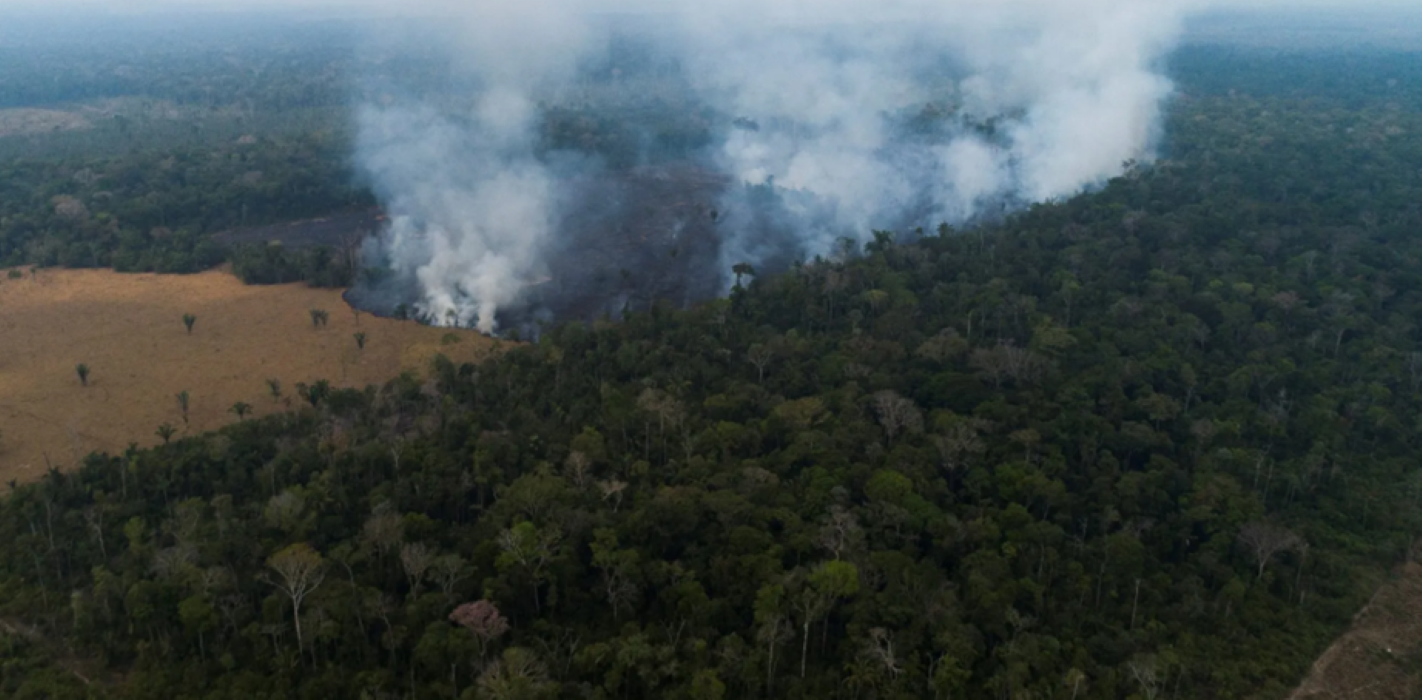
Brazil’s new anti-deforestation credit rule extends beyond traditional banking, demonstrating to Latin America that environmental enforcement can operate through finance, elections, and agriculture. The focus is shifting from simply protecting trees to determining who bears the cost of conservation.
When the Bank Counter Becomes a Border
After years of difficulty tracking and penalizing Amazon deforestation, Brazil has chosen an unexpected ally: bank managers, rather than additional law enforcement or political speeches.
Under a new rule taking effect this Wednesday, banks must verify whether rural loan applicants have engaged in deforestation on their properties using government tools built on satellite imagery. If any clearing since 2019 is detected in the Amazon or in forested areas, farmers seeking state-backed rural credit must present deforestation permits before their loans can be approved. Andre Lima, who leads anti-deforestation efforts at Brazil’s Environment Ministry, put the shift plainly in comments reported by Reuters. The government, he said, has turned every bank manager handling subsidized credit into an inspector. This approach represents more than a regulatory change. Brazil is shifting the fight for the Amazon from the forest to the financial sector. Politically, this is a significant escalation, as the state is moving beyond traditional enforcement and aiming to prevent deforestation before it is financed. The next expansion is financed.
This is significant for Latin America, where environmental crimes persist not only because laws are weak but also because financial support persists. Illegal clearing often continues when it is refinanced and integrated into mainstream agriculture. Brazil’s new policy aims to disrupt this cycle by restricting subsidized public funds from reaching those implicated in deforestation.
Reuters reports that approximately 17% of rural loans issued between 2020 and 2024 supported farms on land deforested during that period, according to a Climate Policy Initiative analysis. This indicates the state was inadvertently financing the deforestation it seeks to prevent. The new rule addresses both enforcement and government credibility.
Lula’s Promise Meets Rural Power
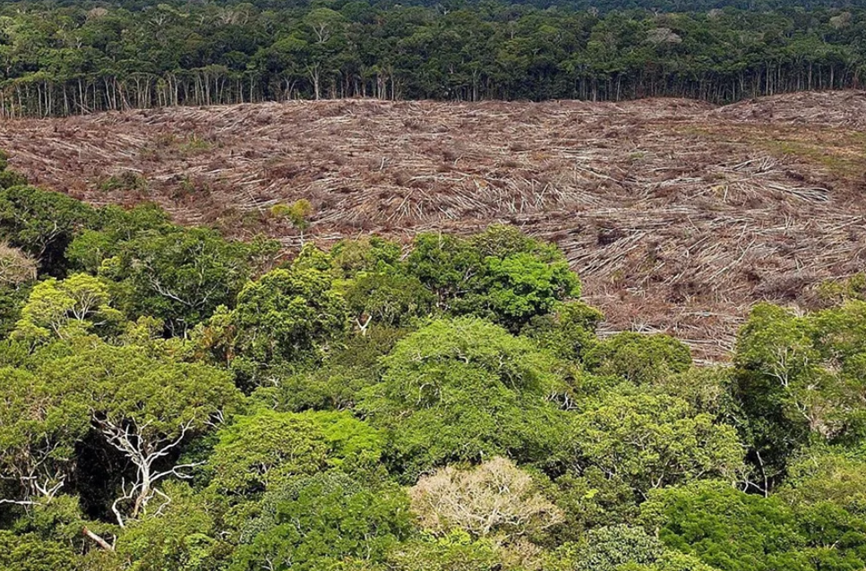
The policy supports President Luiz Inácio Lula da Silva’s commitment to end deforestation in Brazil by 2030. Achieving this goal requires more than rhetoric or symbolism; it must be integrated into contracts, credit lines, approvals, and daily decisions throughout the country.
This new rule is politically sensitive because it affects approximately $53 billion in federally subsidized loans, representing about one-third of Brazil’s rural credit, according to central bank data reported by Reuters. It also affects agribusiness credit bills, a rapidly growing tax-exempt investment vehicle for individuals that reached $114 billion by 2025. Farmers rely on these funds for operational investments and essential expenses.
In other words, Brazil is not only adjusting an environmental rule. It is reaching into one of Brazil’s most important financial sectors. It is not simply changing an environmental regulation; it is intervening in a critical part of its agricultural financial system. This has led to strong resistance from the agribusiness sector. Reuters notes that even the Agriculture Ministry advocated for eliminating the rule last year. The opposition is both technical and political. The cultural frontier risks deeper resistance from rural leaders who already distrust the leftist president. States such as Mato Grosso and Goiás matter here, not as abstractions but as centers of agricultural power where environmental policy can quickly become a story about regional resentment, lost leverage, and the feeling that Brasília governs with suspicion toward the countryside.
This dynamic is relevant across Latin America, where climate policy often conflicts with local interests. Governments may promote environmental leadership internationally but face domestic resistance from sectors that bear the costs. The central question is whether Latin American states can protect natural resources without jeopardizing essential political alliances.
According to Reuters, Lima reported that farmers may legally clear land with permits but must use their own funds rather than public money. While this position is grounded in moral reasoning, it may also intensify conflict with rural elites.
The Region’s Green Future Now Runs Through Finance
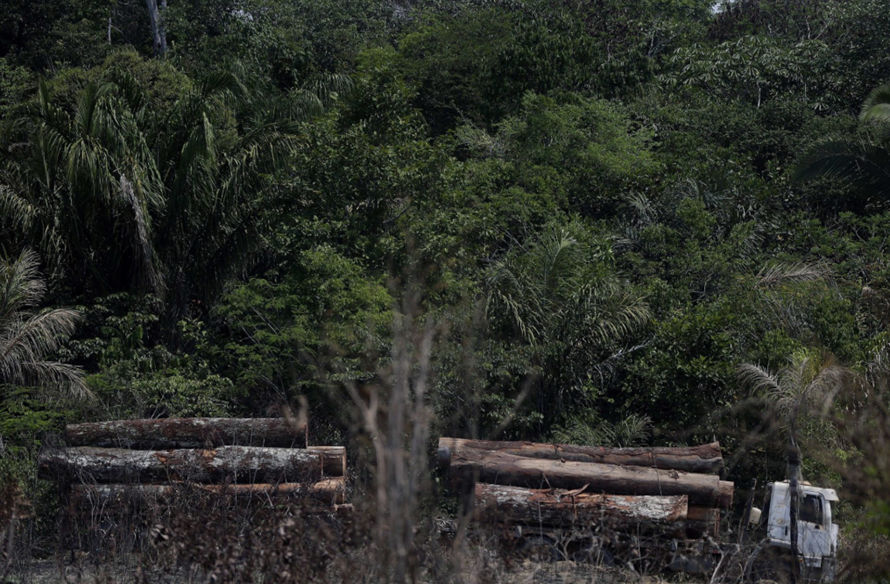
The resistance has come with familiar arguments. Brazil’s National Confederation of Agriculture and Livestock said it will work to change the rule in Congress, where the rural opponents have raised familiar concerns. Brazil’s National Confederation of Agriculture and Livestock stated it will seek to amend the rule in Congress, where the rural caucus is influential. The group claims that government satellite tools are prone to errors that could result in unfair credit denials and argues that the policy imposes inappropriate responsibilities on the financial sector, deforestation tracking system. More revealingly, the studies showed that Prodes more often fails to detect deforested land than to falsely report deforestation where none occurred. That does not mean the system is flawless. It does suggest the greater historical risk may have been leniency, not excess.
The financial sector has largely supported the measure. According to Reuters, banking industry groups believe it reinforces existing sustainability commitments. Febraban stated that the rule strengthens these commitments and promotes safer lending decisions. A senior bank executive noted that environmental offenders increase default risk when subject to boycotts or blocklists. This indicates that environmental enforcement is now viewed as a credit risk rather than just an ethical or reputational issue.
This shift is a key lesson for Latin America. Historically, environmental destruction was seen as a distant concern, addressed mainly by activists and authorities. Brazil now demonstrates that financial systems can play a central role in enforcement, making sustainability integral to risk management and lending decisions.
The new rule remains complex and may face challenges in Congress or increased rural opposition. Lula could face political consequences in regions where agribusiness is already skeptical of his administration. Nonetheless, the broader implication is clear: Brazil is asserting that public funds should not support activities that contribute to environmental destruction.
This rule has significance beyond Brazil. It indicates that future environmental policy battles in the region may occur within financial institutions and compliance systems, rather than solely in forests or at international forums. While traditional conflicts continue, enforcement is increasingly shaped by administrative processes and financial decisions. Although Reuters described the measure as a regulatory change, it represents a significant shift in power dynamics.
Also Read:
Brazil Turns Sugarcane Into a Geopolitical Shield Against Oil Panic