Brazilian Researchers Discover Endangered Lemon Sharks Preying on Freshwater Fish in Sueste Bay
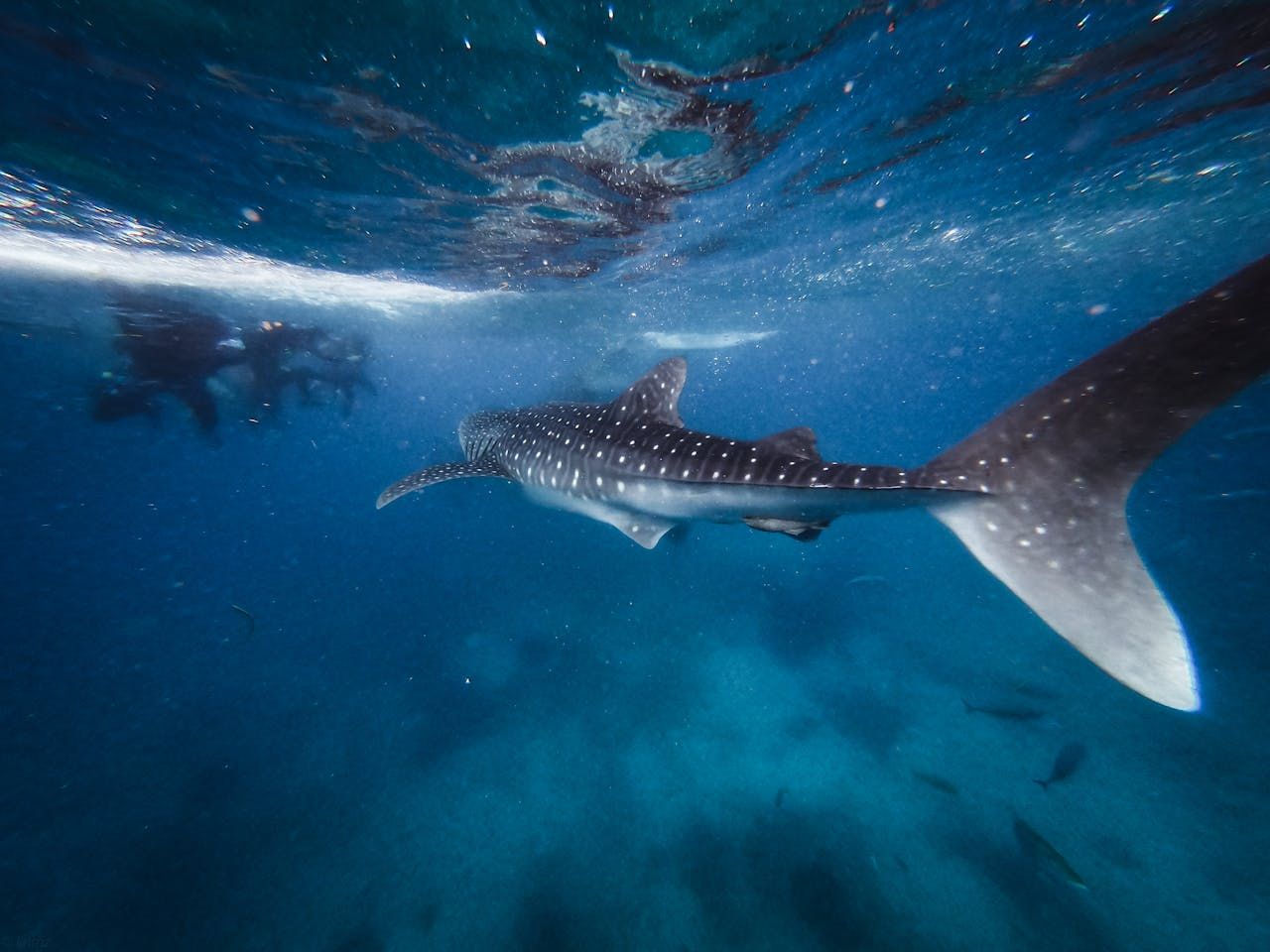
In a fascinating turn of events, researchers have documented endangered lemon sharks preying on invasive freshwater fish. Lemon sharks have been filmed hunting jaguar cichlids for the very first time, in Sueste Bay. The study has been published in the Environmental Biology of Fishes, with FAPESP offering its support for the study.
Jaguar Cichlids are Freshwater Fish living in Saltwater Inlets
Interestingly, when you break down the data we know, Sueste Bay is a saltwater inlet. With that said, jaguar cichlids are freshwater fish. Heavy rain has caused freshwater lakes to overflow into the bay, which has made the cichlids disoriented. Their erratic behaviour has made it easier for lemon sharks to target them. Not only is this an interesting development, but it also highlights the opportunistic feeding behaviour of lemon sharks. With Brazil as a whole being such a biodiverse hotspot, with freshwater and saltwater marine ecosystems, a lot of conservation work is being done to try to protect endangered species. Not only are locals working to restore marine nurseries, but they are also improving awareness of endangered species so that they can be protected.

Photo: Pexels
Awareness of Fishing Conservation is Growing
As time goes on, fishing conservation is growing at a rapid rate in Brazil. A lot of this is due to the media. Fishing TV shows, including Welcome to the Jungle with Steve Townson and Fishing Expedition Amazonia is helping to show how alluring fishing can be, and how important it is to protect our marine ecosystems. Even Robson’s Extreme Fishing Challenge has done an episode in Brazil, showing the challenges that come with the Xingu Rivers, and the importance of sustainability. Several podcasts discuss this theme, with enthusiasts discussing conservation, experiences with rare species, and more. Fishing is also a prominent theme in slot machines online. Titles like Hot Tuna, the Big Bass franchise, and Fishin’ Frenzy all showcase fishing in different ways. Not only do they feature different species of fish, but they also highlight the methods of catching them, whether it’s via net, rod, or fishing boat, which helps to bring fishing to the forefront once more.
As media coverage grows and as awareness of fish and their behavioral habits becomes clearer, Brazil’s rich ecosystems should continue to thrive. By connecting audiences to conservation and by showcasing thrilling encounters on social media, such as lemon sharks preying on invasive species, it’s possible to highlight how exciting fishing can be, while prompting sustainable practices.
Movements like this will help to ensure that the freshwater and marine ecosystems in Brazil continue to thrive, and they will also make sure that special efforts are put into ensuring that endangered fish are given a new chance to thrive.
Even though lemon sharks are endangered, we are seeing a rise in conservation programs for them, which is helping to ensure that they are protected moving forward. With that said, we are also seeing more and more changes in feeding habits, meaning that lemon sharks may continue to thrive once again.