Brazil’s VP Alckmin backs workweek cuts as a global trend
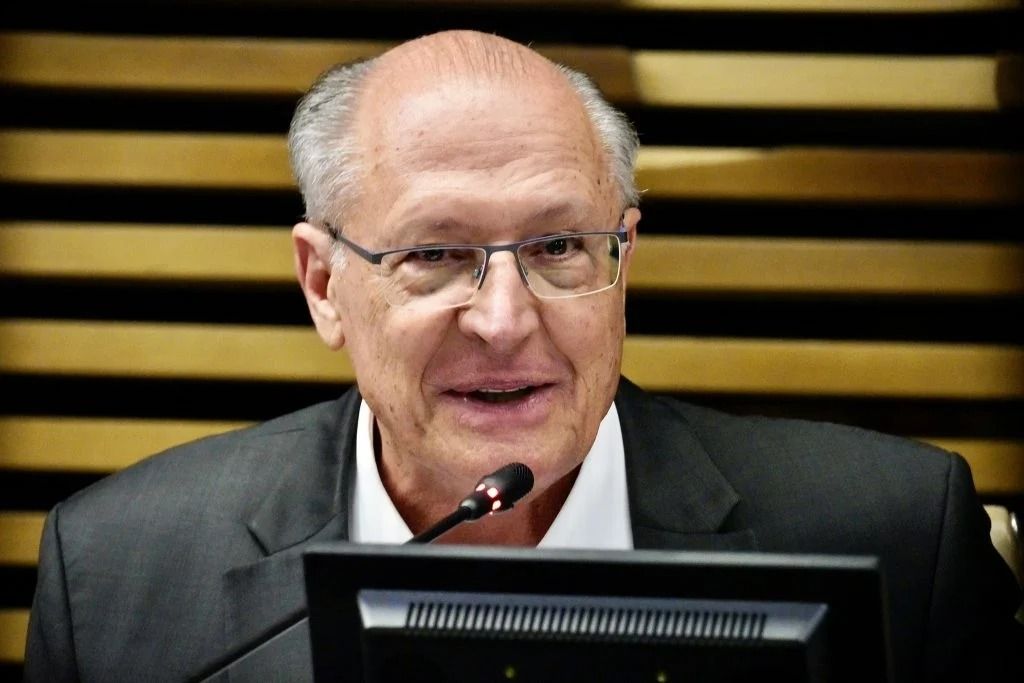
Alckmin replied that the discussion should not be rushed and must reflect the diversity of realities across Brazil’s productive sectors
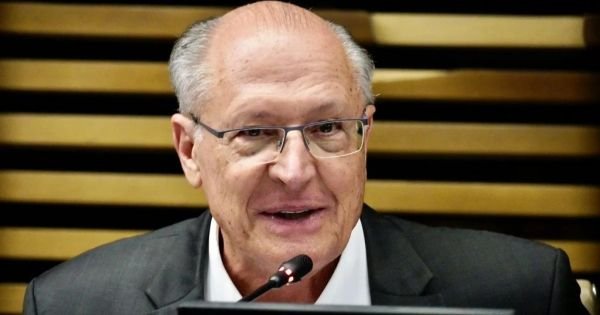
Brazil’s Vice President and Industry and Trade Minister Geraldo Alckmin said on Monday that shorter working hours are a “global trend” and that Brazil should debate the issue in depth, as business leaders push to delay discussion of ending the widely used 6×1 work schedule.
Alckmin spoke at the Federation of Industries of the State of São Paulo (Fiesp), where he signed two memorandums of understanding with the group—one focused on trade defence and countering unfair practices in foreign trade, including anti-dumping instruments, and another aimed at improving Brazil’s regulatory environment by cutting red tape and boosting competitiveness.
During the event, Fiesp president Paulo Skaf asked that debate over ending the 6×1 schedule be postponed “to 2027,” arguing that an election year can amplify tensions and distort policymaking. “In an election year, emotions… often conflict with the country’s interests,” he said.
Alckmin replied that the discussion should not be rushed and must reflect the diversity of realities across Brazil’s productive sectors. At the same time, he framed the issue as part of a broader international movement. “There is a global trend toward a reduction… this has already been happening,” he said.
Trade defence and regulatory agenda
Under the trade-defence protocol, the ministry and Fiesp will cooperate institutionally, share technical tools and experience, and develop a “dumping margin calculator” intended to speed up calculations in trade-defence investigations. The regulatory protocol aims to reduce red tape, improve regulatory quality and expand digitalisation and system integration in public services, with the stated goal of lowering administrative and compliance costs for businesses and society.
Rates and US tariffs
Addressing industrial executives, Alckmin also said he expects Brazil’s central bank to begin cutting the benchmark Selic rate — currently at 15% a year — at its next meeting in March, citing a stronger real and easing food inflation. He additionally described the United States’ newly announced 15% global tariff as “positive” for Brazil, arguing that a uniform rate applied across countries reduces relative disadvantages against competitors.