Finding 27 charred bodies near the Colombia-Ecuador border has turned a disputed bombing into a bigger warning. Anti-gang fights, tariff tensions, and U.S.-backed security plans are shaking one of Latin America’s fragile geopolitical fault lines.
A Border No Longer Speaking in Whispers
The most chilling part isn’t the heated social media debate, though that was intense. It’s the number that came first: twenty-seven charred bodies found in Colombia after bombings near the Ecuador border. Before politics, before diplomacy, before the usual denials and accusations, there were the remains.
The political stakes quickly grew. Gustavo Petro said Colombian security forces weren’t responsible and insisted, “I didn’t give that order,” after hinting the night before that Ecuador had bombed Colombian land. Daniel Noboa fired back, calling Petro’s claims false and saying Ecuador acted within its own territory. Noboa added that the bombed sites were hideouts for mostly Colombian narco-terror groups and promised Ecuador would keep cleaning up and rebuilding.
On the surface, this is a dispute about a border strike and who was affected. But in Latin America, border incidents rarely stay just about military lines. They reveal deeper worries: sovereignty, distrust, armed groups crossing borders, weak state control in remote areas, and how security problems can quickly turn into foreign policy crises.
This is why the episode matters so much. The immediate fight is over territory, but the bigger issue is regional order. Ecuador is stepping up aggressive anti-drug operations, including at the border. Colombia must respond not just to the tragedy of the dead, but also to the possibility that Ecuador’s security actions might spill into Colombian territory. Even if Noboa is right and the strikes stayed inside Ecuador, finding bodies on Colombia’s side gives the conflict a political life beyond maps.
The Andes have long been a place where borders look solid on maps but are porous in reality. Drugs, armed groups, smuggling, migrants, and political suspicion move more freely than governments admit. A bombing here is never just a tactical move. It sends a message, intended or not, about who claims the right to use violence up to the border.
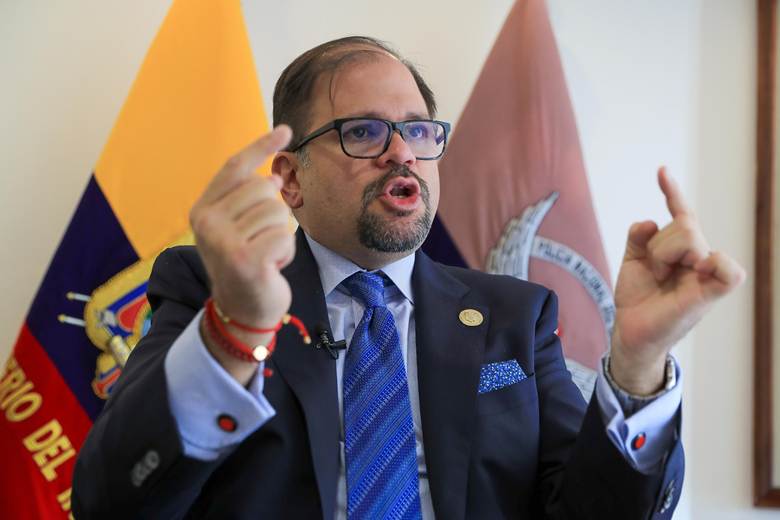
Petro and Noboa Turn Security Into Diplomacy
The back-and-forth between Petro and Noboa matters because it shows how security concerns have overtaken diplomacy between neighbors who already don’t trust each other. This isn’t a relationship cooling from warmth to tension. The friction was already there, and the bombing has made it more dangerous.
The notes show this is just the latest clash between the two presidents. They’ve already fought over tariffs. Last month, Noboa raised duties on Colombian goods to 50%, saying Colombia wasn’t doing enough to fight drug trafficking. Colombia then said it might respond with similar measures. This matters because it reveals the deeper issue: Ecuador no longer sees narcotics violence as just a domestic problem. It views Colombia’s weakness, or perceived weakness, as a direct economic and security threat.
That position has consequences for the region. This stance has big consequences for the region. It points to a new kind of Andean politics where neighbors use trade pressure, public accusations, and militarized border actions as part of the same conflict. The old line between trade disputes and security issues is fading. When that happens, diplomacy gets tougher. Every customs move feels like a judgment. Every security action risks becoming an international incident. ot appear passive if bodies are found in Colombia after bombings near the border. But neither can he easily escalate against a neighboring government that insists it acted within its own territory against narco terrorism groups. So the result is a tense middle terrain of insinuation, denial, and symbolic rebuttal. Petro reposted an image from Colombian state-run RTVC television that it said showed one of the bombs, a dark green cylinder lying in foliage. That gesture was small, but politically telling. It was a way of saying: this was real, it happened, and the evidence carries its own accusation.
In Latin America, presidents now govern as much through public performance as through official channels. A post on X acts like an official statement. A reposted image can serve as a diplomatic protest. What gets lost in this style is quiet de-escalation. Instead, there’s spectacle, which often favors national pride over regional calm.
The danger isn’t just miscommunication. It’s that border management is being replaced by competing domestic stories. Noboa has to seem tough in his fight against gangs. Petro has to appear sovereign whenever another state’s actions threaten Colombian land or lives. Neither leader is just talking to each other—they’re speaking to their own people, who are already anxious.
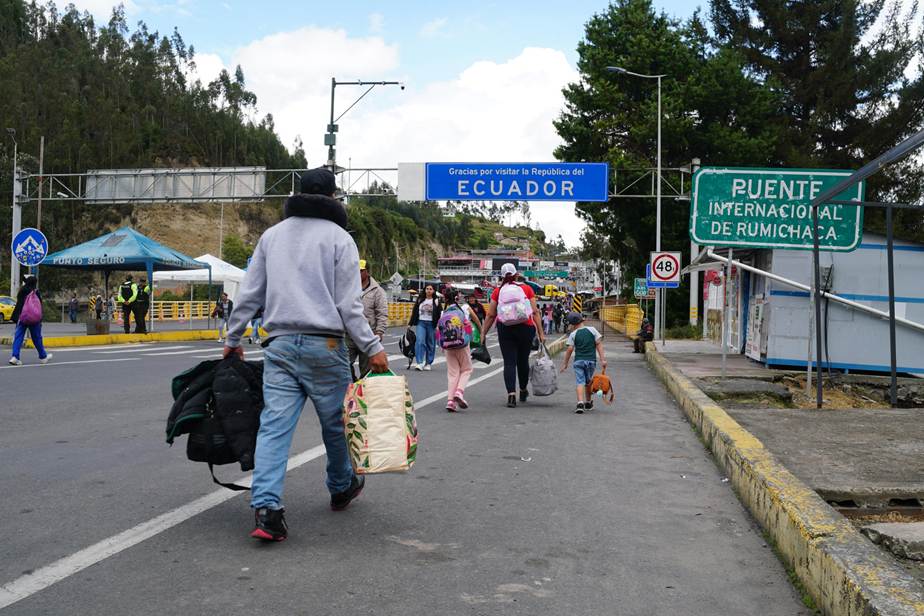
The U.S. Shadow Over the Andean Frontier
One detail changes the story’s scale. Ecuador says allies, including the United States, back its anti-drug operations. This matters because it means the clash isn’t just between Bogotá and Quito. It’s part of a larger hemispheric security system where Washington plays a key role.
The United States has long influenced Latin America’s anti-narcotics policies, often pushing militarized responses, intelligence sharing, and security partnerships that promise order but can also increase local instability. In this context, Ecuador’s campaign isn’t just an internal crackdown. It’s part of a broader geopolitical shift in which governments fighting organized crime seek legitimacy, equipment, and support by aligning more closely with U.S. priorities.
This puts pressure on Colombia from two sides. On one side are armed and criminal groups moving through border areas, blurring the line between local insecurity and cross-border conflict. On the other hand, there is a neighbor backed by international support, ready to call its violence cleansing, rebuilding, and sovereign defense. Colombia is left to deal with the consequences.
The geopolitical outlook for Latin America is sobering. Borderlands are turning into testing grounds for a tougher regional order, where anti-gang and anti-trafficking efforts justify stronger military moves, presidents publicly trade accusations, and the United States stays involved—not always visibly, but as a strategic supporter. This mix creates a dangerous situation: local deaths, national anger, and international support for escalation.
The twenty-seven bodies found in Colombia are more than just proof of a bombing’s aftermath. They show that the way the region talks about security is changing. Sovereignty is getting weaker. Trust between neighbors is fading. Trade disputes and military actions are merging into one political arena. In that space, a single strike near a border can quickly test how much Latin America still controls its own limits between war, policing, and diplomacy.
Also Read:
Latin America Confronts Deadly Boat Strikes Amid Accountability Crisis