Colombia’s attorney general announced arrest warrants for seven Segunda Marquetalia members linked to the killing of conservative presidential candidate Miguel Uribe, who was shot at a Bogota rally in June 2025. Uribe’s death did more than disrupt an election; it exposed how unresolved peace, fragmented armed groups, and urban crime continue to influence politics, reminding Latin America that violence can disrupt democratic processes.
When Assassination Returns to the Campaign Trail
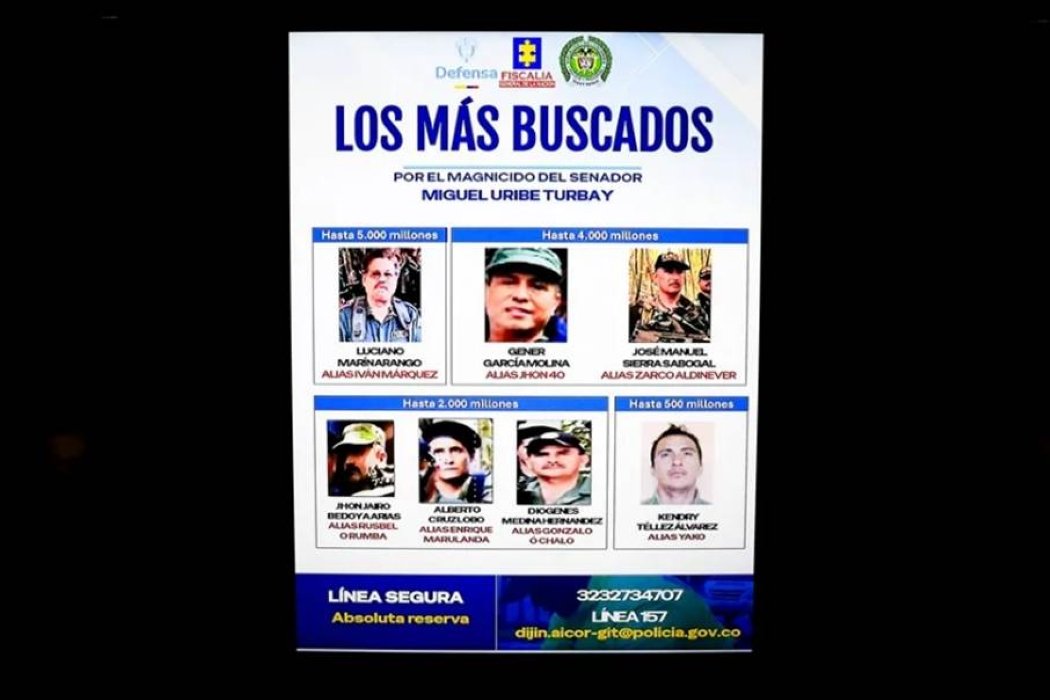
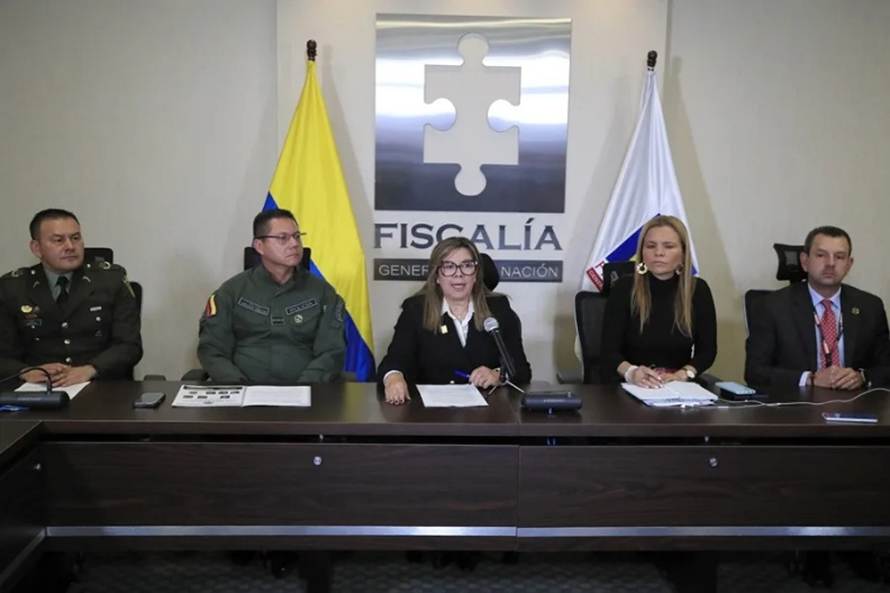
Colombia’s attorney general confirmed arrest warrants for seven Segunda Marquetalia members linked to the killing of conservative presidential candidate Miguel Uribe, shot at a Bogota rally in June 2025. Attorney General Luz Adriana Camargo described the murder as a coordinated plot, with the rebel group allegedly hiring an urban gang to execute the attack. The operation was planned by Kendry Téllez, a former FARC fighter, and Luciano Marín, ex-FARC commander and founder of Segunda Marquetalia, was also charged with aiding the assassination, which was carried out by a teenager recruited by a Bogota gang.
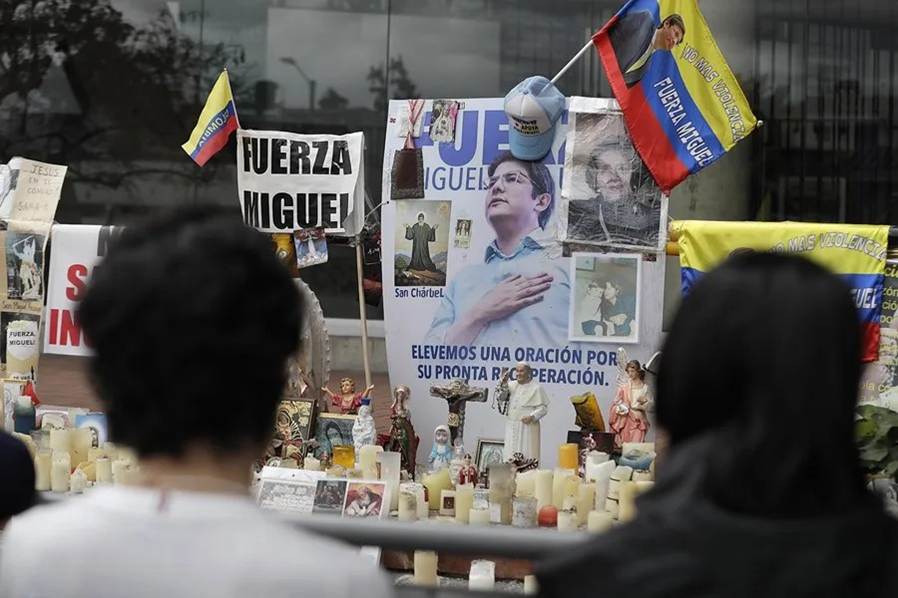
At a Bogota park rally, an event meant for speeches and slogans, Colombia witnessed its first presidential candidate assassination in three decades. Conservative senator Miguel Uribe was shot multiple times by a teenager and died two months later. This alone shocked the nation, but the attorney general’s account revealed a darker, more politically significant context.
Attorney General Luz Adriana Camargo stated that arrest warrants were issued for seven Segunda Marquetalia members. She described Uribe’s killing as “the result of a structured criminal operation that involved an urban criminal gang that was hired” by the rebel group. This highlights that the murder was not spontaneous or isolated but deliberate, organized, and planned.
This distinction alters the significance of the killing for Colombia. Democracies can endure rage, polarization, and harsh rhetoric. What is more damaging is the return of political murder, especially when allegedly coordinated between a dissident armed group and an urban criminal network. This attack targets not just an individual but the boundary between electoral competition and armed coercion.
For Colombia, this wound is especially deep as it shatters a national promise that, though never fully secure, still mattered. The first presidential candidate assassination in three decades is more than a statistic; it is a historical warning. It signals to voters that the campaign trail is no longer safe, to candidates that public appearances carry mortal risk, and to the state that its progress beyond feared political violence remains incomplete.
The details of the killing are cruelly intimate. It was not executed by a rural battlefield group but at a capital rally by a teenager hired by a Bogota gang. This image encapsulates Colombia’s security crisis: old conflicts have moved beyond mountains and frontiers to urban areas, involving younger actors, shifting loyalties, and blurred lines between insurgency, organized crime, and electoral intimidation.
Peace Without Control Is Only a Pause
The attorney general stated that Kendry Téllez, a Segunda Marquetalia member and former FARC fighter, planned the killing, with Luciano Marín, known as Iván Márquez, also charged with involvement. This case highlights the ongoing challenges following the 2016 peace deal, which was meant to close a chapter in Colombian history but left some dangerous issues unresolved.
The deeper meaning of the crime is that Colombia failed not only to eliminate violence but also to consolidate peace after armed demobilization. Territory, trafficking routes, armed influence, and local political power remain contested. Reports describe drug traffickers and rebel groups vying for control of areas abandoned by the FARC after the peace deal. The vacuum was not left empty; it was filled.
Segunda Marquetalia exemplifies this fracture. Founded by a former FARC commander who rejected the peace deal, it highlights the fragility of Colombia’s transition. A peace accord may reduce one form of war but disperse its fragments into new forms if the state fails to establish lasting authority, justice, and economic stability. Names change, structures evolve, yet the war’s instruments persist despite claims of peace.
Uribe’s killing transcends a campaign crime; it reveals the weakness of a political settlement without territorial control. If a dissident group can allegedly orchestrate a presidential hopeful’s murder via a hired urban gang, Colombia faces not just insecurity but a reconfiguration. Armed actors adapt faster than institutions, needing only enough space to threaten the democratic core.
The killing marked a setback in President Gustavo Petro’s crime reduction efforts. Peace talks with Segunda Marquetalia had already been suspended after a group schism. By the time authorities publicly acted and offered a reward for Marín’s capture, symbolic damage had spread. Negotiations no longer appeared as a path to disarmament but risked seeming like a process where armed actors still influence politics through terror.
What Colombia Must Face Before the Next Vote
Colombia will hold presidential elections in May, with a June runoff if no candidate wins a majority. This schedule now looms over a country, reminding it that ballots and bullets can collide. The immediate effect of Uribe’s killing is fear of rallies, visibility, and public campaigning. More deeply, assassinations alter psychological and institutional behavior before changing outcomes.
Candidates tighten security and limit public contact. Campaigns grow more guarded and mediated. Citizens weigh risks before participating. Beneath these changes, an old fear resurfaces: that Colombian politics remains vulnerable to armed veto.
This suspicion matters because democracies rely not only on formal rules but also on confidence in them. When voters believe candidacies can be ended by force, the republic feels less like a contest of ideas and more like a domain controlled by armed actors. Colombia knows well the harm this causes.
For Latin America, the lesson is sobering. Colombia has served as both a warning and a laboratory, where peace processes, armed fragmentation, and criminal adaptation are starkly visible. This killing shows that despite negotiation, demobilization, and years of apparent democratic stability, the old structures of violence can still reemerge through unexpected channels.
For Colombia, the message is harsher. The country cannot view this solely as a shocking crime resolved by warrants and rewards. It must recognize it as a political revelation. Miguel Uribe’s murder shows that dissident war, urban crime, and electoral politics are interconnected. When they intersect, the nation is reminded that peace does not equal safety, and silence after war does not mean control.
Also Read:
Colombian Military Grief Exposes the Cost of Delay and Distance