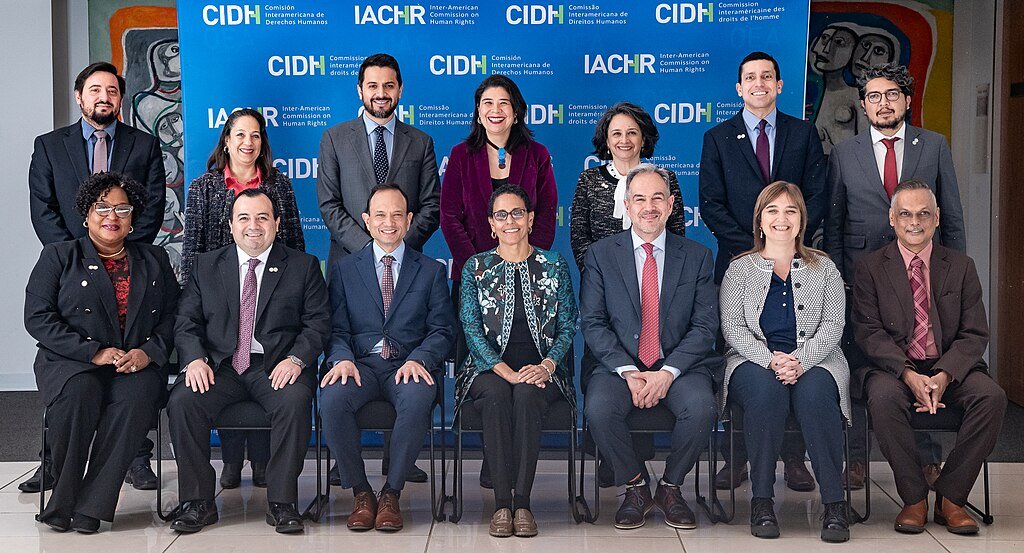
Medellín, Colombia – On March 2, 2026, the Inter-American Commission on Human Rights (IACHR) filed a legal complaint against the Colombian State, claiming a failure to prevent, investigate, and determine responsibility for the alleged femicide of U.S. citizen Kelly Ann Knight, who was found dead in Medellín on July 19, 2019.
IHR Legal, an international human rights law firm, submitted that Colombian authorities ignored documented warnings and alerts of domestic violence in Knight’s case and failed to bring the perpetrators to justice.
The complaint, which also accuses the state of failing to protect victims of femicide and domestic abuse, renews scrutiny over institutional deficiencies in handling violence against women in Colombia.
Legal framework and state obligations
Since the enactment of Law 1761, known as the Rosa Elvira Cely Law, femicide has been recognized as a criminal offense in Colombia. The law was implemented in 2015 during the administration of Juan Manuel Santos, following widespread public outrage over the 2012 murder of Rosa Elvira Cely.
The legislation seeks to guarantee investigation and punishment of gender-based killings, address structural violence against women, and strengthen prevention, awareness, and protection mechanisms.
But cases like the murder of Kelly Knight highlight the government’s repeated failure to enforce the law, posing significant threats to civilian well-being, especially for women in Colombia.
Prior complaints and alleged pattern of abuse
On February 28, 2026, Knight was hospitalized at Clínica Las Américas in Medellín, where she began formally reporting to Colombian authorities that she was a victim of a sustained pattern of physical, psychological, and economic violence since the beginning of her marriage in February 2018. She identified her Colombian husband, with whom she lived in Medellín, as the alleged perpetrator.
However, despite the severity of the complaint and what the petition describes as an “imminent and identifiable risk,” that, according to the claims, authorities had failed to implement protective measures, conduct a comprehensive risk assessment, provide psychosocial support, or initiate an effective criminal investigation before her death.
Other witness statements filed in the case described repeated signs of physical assault, some of which were so severe that they allegedly led to the misscarriage of Knight’s two children during her pregnancy. The complaint also addresses death threat allegations, excessive control over her daily activities, and almost absolute restriction to financial resources.
Events preceding her death
While staying with her husband at a hotel in Doradal, Antioquia on the night of July 18, 2019, hotel staff reported to the police hearing screams from the room, alerting a possible threat. However, the petition claims that officers failed to provide adequate support.
According to documented communications between her and a friend of hers, Knight was allegedly assaulted and then dragged across the asphalt following that incident.
She was found dead in her Medellín apartment the following morning; the circumstances remain unresolved.
In 2029, a preliminary investigation was opened under the accusation of femicide, but the case has remained at a preliminary stage for over six years, without any formal charges being filed, and nobody has been arrested.
The petition also addresses Knight’s autopsy, which documented several injuries and precedents that sustain the repeated patterns of abuse that were previously reported to the authorities.
Alleged investigative failures
The filing highlights the state’s deficiencies in the authorities’ response, such as failure to preserve the crime scene, poor management of material evidence and delays in a forensic analysis of the case. According to IHR Legal, these failures have contributed to sustained impunity and a failure to comply with a law meant to protect victims from such abuse.
“Kelly’s case is a classic example of violence against women that exposes structural flaws in the state’s response to gender-based violence, particularly when documented complaints in her defense went ignored,” said Ignacio Javier Álvarez Martínez, Executive Director of IHR Legal and former Special Rapporteur for Freedom of Expression of the IACHR.
“The legacy of her death transcends her individual case and demonstrates the urgent need for early, effective, and gender-sensitive state responses,” he added.
International claims
The petition before the IACHR alleges that Colombia failed to comply with its international human rights obligations, including the duty to prevent foreseeable violence against women, investigate deaths occurring in contexts of gender-based violence with due diligence, and guarantee access to justice for the victim’s family.
If admitted, the case could place Colombia’s implementation of its femicide legislation under international scrutiny and renew broader debate about structural impunity in cases of gender-based violence in the region.
Featured image description: Inter-American Commission on Human Rights
Featured image credit: Wikimedia Commons