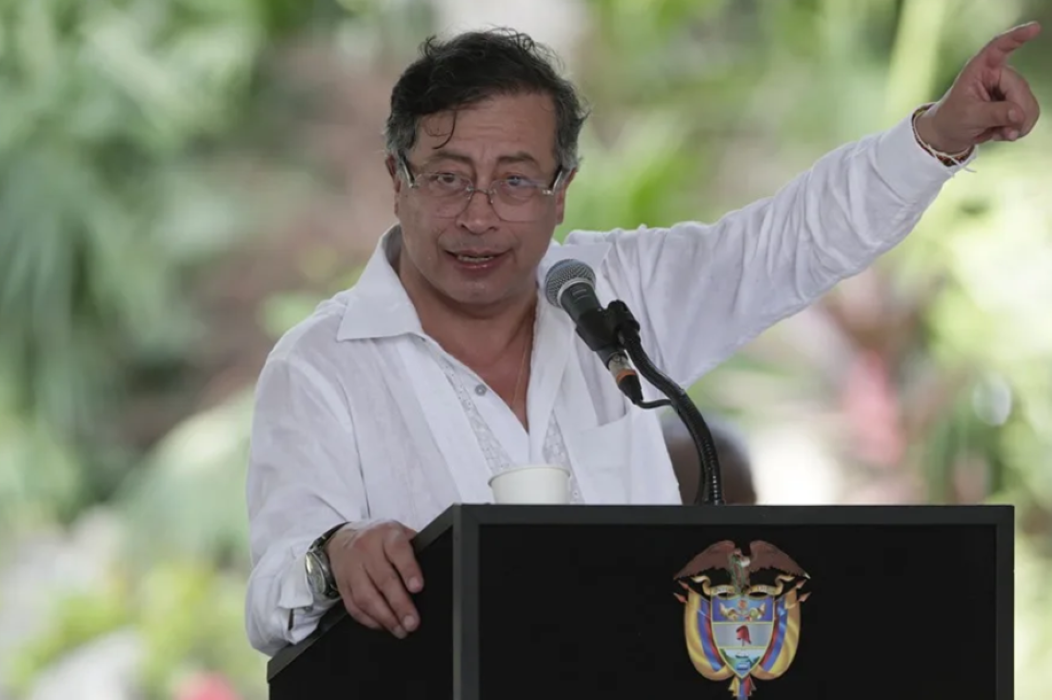
Colombia’s upcoming election shows that the left in Latin America has changed rather than disappeared. While the region is moving to the right, Gustavo Petro’s main legacy may be bringing issues such as inequality, neglect, and class division back into the political spotlight.
The Left’s Most Durable Weapon
A key figure in this story is not Gustavo Petro, but Hugo, a retiree living in Colombia’s capital. Hugo worked for years in the Ministry of Communications, even during Álvaro Uribe’s presidency, and now lives with his wife on a modest public pension, sometimes taking extra jobs. According to Will Freeman in Americas Quarterly, Hugo does not see himself as being on the right or left. He did not vote for Petro in 2022, but has since become a strong supporter, believing Petro has tried to help “people who never had anything” and older adults like him.
That small conversion matters because it captures something larger at work in Hugo’s change of heart, which is important because it reflects a broader trend in Colombia and across Latin America. Petro has not dramatically changed the country’s deep class and regional divisions. Wealth, opportunity, land, and infrastructure are still very unevenly distributed, even compared to other countries in the region. Poverty has declined, but at about the same rate as before, likely due to post-pandemic recovery as much as to government action. The Gini coefficient has hardly changed, and welfare improvements have been small. In a region otherwise marked by a turn to the right, that fact deserves attention. The explanation, as Freeman’s reporting suggests, is that Petro has managed to redistribute something other presidents did not: recognition.
This kind of recognition is a political strength that elites often overlook, yet voters feel strongly about it. Petro has not just talked about, but also spoken directly to, the parts of Colombia that have long felt ignored. He has created a national narrative in which neglected regions and ordinary families are no longer just in the background. For many Colombians, especially those outside the wealthier areas, this has mattered, even if real changes have been limited or slow.
This gives Petro’s chosen successor, Iván Cepeda, a real chance. Cepeda is not the perfect candidate. Freeman points out that he lacks Petro’s charisma, comes across as serious, and is seen as a hardliner, which could worry moderate voters. Still, a March poll showed him ahead of Abelardo De la Espriella in a possible run-off and tied with Paloma Valencia. This is not because people are happy with Petro’s government, but because the issues Petro raised are still important and the opposition has not fully addressed them.
Recognition Can Be a Form of Power
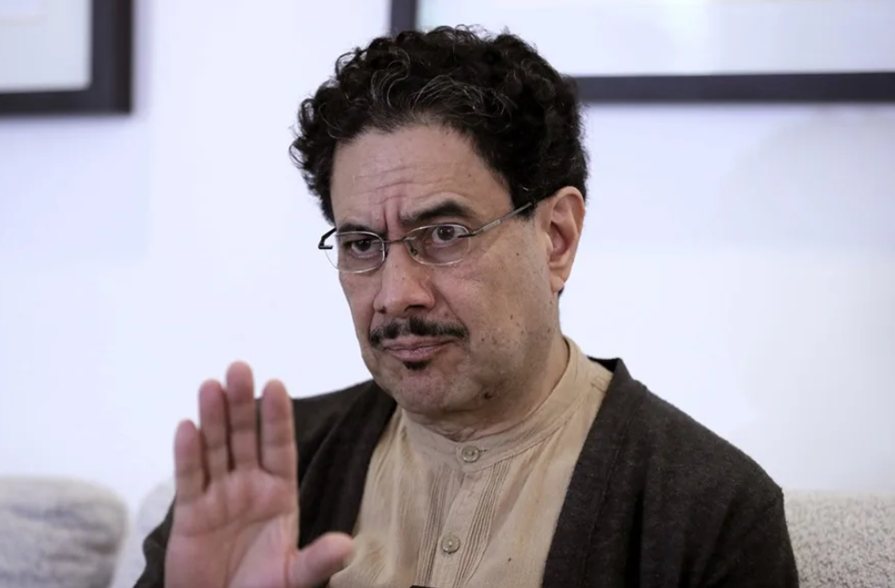
According to one of Freeman’s sources, the old establishment was “blind and myopic” about the country it claimed to govern. Juan Ricardo Ortega describes Colombia as split between big and medium-sized cities, where infrastructure, electricity, and education are available, and a “disastrous periphery” with failing hospitals, high electricity bills, and powerful family clans. This description is powerful because it could fit much of Latin America. The center gets full government support, while the edges get only bits and pieces, or sometimes nothing at all.
Petro did not create these inequalities, nor did he break down the systems that keep them in place. Freeman’s reporting shows that, like earlier leaders, Petro worked with many of the same powerful groups to win and maintained many of the same old arrangements. Still, as Ortega says, he has been smart about bringing these injustices to light. This might seem like a small achievement, but in unequal countries, problems must be recognized before they can be fixed. Petro has made it harder for people to ignore these issues.
This legacy is more important than many of Petro’s critics admit. In the 2024 Latinobarómetro survey, 80% of Colombians said the country is run by “a few powerful groups in their own interest.” Petro addresses this belief directly, and so does Cepeda. The right in Colombia has a stronger security message, which is Petro’s biggest weakness. Armed group recruitment has increased in rural areas, and “total peace” has not stopped these groups from gaining power in some regions. Still, the opposition does not seem ready to address the big gaps between the country’s center and its edges, or between the rich and the poor.
This is important for Latin America because it shows that the region’s shift to the right does not mean the left cannot compete. The left can still do well when it clearly talks about the social problems people face every day. Petro’s social policies have not changed everything, but they are easy to understand. For example, a nearly 23% minimum wage increase in December, the biggest in decades, helped 2.5 million workers. Pay raises for regular soldiers have also made a difference. Targeted investment in municipalities rose from 6% to 41% of total public investment. The number of municipalities receiving funds grew from 210 under Iván Duque to 1,036 under Petro, with places like La Guajira benefiting the most.
These steps do not create a full social welfare state. Freeman describes them more modestly, and perhaps more accurately, as gestures that say, “we see you.” For many voters, especially those who often feel invisible, this recognition can be enough to keep supporting the left, even if they are sometimes disappointed.
Why Colombia Matters Beyond Colombia
This is why Colombia matters to Latin America beyond just another election. It shows that the left in the region is weaker than before but not gone. Talking about class and regional inequality still resonates, especially in countries where the left did not win national power during the first pink tide and where this kind of message still feels new. Freeman says Colombia and Mexico are different in this way. Because the left came to power later, its fight against deep inequality feels fresher and less worn out.
This sense of newness may not last. Freeman points that out. In a few more elections, other issues could become more important, as happened in Brazil. But for now, Colombia gives us a reason to question the idea that the region will definitely keep moving to the right. Even with scandals, investigations into Petro’s son, failed healthcare reform, and questions about possible links between Petro and drug traffickers, the left is still strong because the social issues that support it are still there.
In the Sierra Nevada de Santa Marta, an area still affected by armed groups despite Petro’s peace efforts, Freeman reports that many people still planned to vote for the left because they feel connected to Petro’s project. This is politically important. It shows that people can keep supporting a leader even when policies fall short, as long as they feel their place in the country is recognized. Security and results matter, but recognition is also important, especially in societies where many people have long felt ignored.
None of this means the left will win. The election is still uncertain. Valencia and Juan Daniel Oviedo are strong candidates, especially in Antioquia and much of the country’s center outside Bogotá. Accusations of clientelism in some of Petro’s last-minute service contracts are serious, as are the problems caused by weaker military and police forces and corruption linked to what critics call the petroburguesía. Still, even if Colombia eventually moves to the right, the coalition Petro built around class and regional issues will probably last beyond his presidency.
This may be Petro’s most lasting impact. It is not a revolution or a completely changed state, but something more subtle and, in Latin America, often just as important. He has made Colombia’s inequalities harder to overlook. In a region where the gap between those who have always mattered and those who have barely mattered is still wide, this is significant. It could influence the upcoming election and remind the region that the left’s oldest issue is still very much alive.
Also Read:
Caribbean Reparations Vote Pushes Latin America Toward Its Unfinished Reckoning