Cuba is absorbing harsher U.S. pressure as flights are canceled, blackouts hit records, fuel is rationed, and the peso sinks to new lows. The crisis is now visible in airports and kitchens, and policy choices are narrowing fast.
At the Airport, a Country Runs Out of Fuel
The scene is not dramatic in the cinematic sense. It is dramatic because it is ordinary. A terminal with the usual hum of rolling suitcases and tired families. A departure board that becomes the story. Routes paused. Operations suspended. The air feels warm, stale, as if the building itself is waiting for an explanation that never arrives.
This Wednesday, the pressure from the United States is felt in Cuba in a more stripped-down form, the notes say, with new announcements of flight cancellations, record blackouts, fuel rationing, and a peso at historic lows. Two Russian airlines, Rossiya and Nordwind, temporarily suspended flights to Cuba “due to supply difficulties” and said they will not resume those routes “until the situation changes.”
They are not alone. Four Canadian airlines had already announced the cancellation of their operations to the island after Cuban authorities told them they could not be supplied with jet fuel at any of the country’s nine international airports.
You do not need a macroeconomic lecture to understand what that means. A plane cannot fly without fuel. Tourism cannot arrive without planes. And Cuba’s economy, already strained, has treated tourism as a pillar, a way to capture foreign currency and keep parts of the system breathing.
The trouble is that pillars crack quietly, then all at once.
The notes describe the result as disastrous for tourism, a mainstay of the economy by its weight in GDP and its capacity to bring in hard currency. Last year, nearly half of international visitors came from Canada or Russia. The sector, which already registered its worst year since 2002 in 2025, excluding the pandemic years, now wobbles under U.S. pressure. The government has responded by closing some hotels and moving tourists to other facilities as a savings measure.
That kind of improvisation is a tell. It says the system is trying to stretch what it has. It also says the country is making real-time choices about where scarcity falls.
A Peso Falls as Blackouts Rise
By Wednesday, the informal exchange rate hit a new low: 500 Cuban pesos per U.S. dollar, according to the daily indicator published by the independent outlet El Toque. The notes say the rate has fallen 15 percent so far this year.
This period overlaps with what the notes call a qualitative jump in U.S. pressure, including the end of oil imports from Venezuela and a presidential order threatening tariffs on anyone who supplies crude to Cuba.
But the peso’s slide did not begin this year. It has been depreciating since the failed 2021 monetary reform, known as the Tarea Ordenamiento, which set an official exchange rate of 1 dollar to 24 pesos. The gap between that official rate and the informal market now signals a collapse approaching 2,000 percent.
What this does is expose a structural crisis, not an episodic one. Cuba has been trapped for six years in a deep emergency marked by shortages of basic goods such as food, fuel, and medicine, runaway inflation, economic contraction, a fiscal deficit, mass migration, and long daily blackouts.
On Tuesday, the island suffered what the notes describe as the most extensive blackout on record, based on official data. At peak demand in the late afternoon and evening, more than 64 percent of the country was simultaneously without electricity.
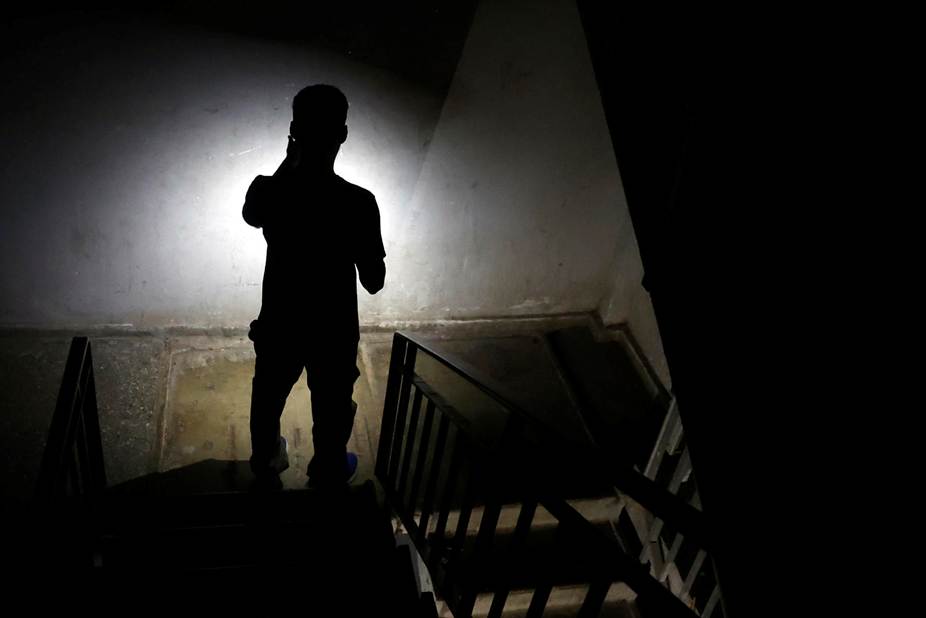
That number is not just a statistic. It is dinner cooked late or not at all. It is a phone that does not charge. It is a household that learns to live by the rhythm of outage schedules and sudden darkness.
The notes attribute the deficit to failures in obsolete thermoelectric plants and, crucially, to the lack of diesel and fuel oil needed to run distributed generation engines nationwide. According to the government, those engines have been out of service for 4 weeks due to the petroleum siege.
Jorge Piñón, a Cuban expert at the University of Texas Energy Institute, told EFE he expects a “grave crisis” in Cuba if new tankers do not arrive by March. The last one, described as medium-sized, docked on January 9.
Even foreign governments are adjusting their stance. Germany and Switzerland updated their travel recommendations. Germany’s Foreign Ministry said on its website that nonessential travel to Cuba is discouraged due to notable effects of the acute fuel deficit.
There is a difference between a country being poor and a country being cut off. Both shape Cuba’s current moment, and the currency is the daily scoreboard.
The State Tightens, the Street Withstands
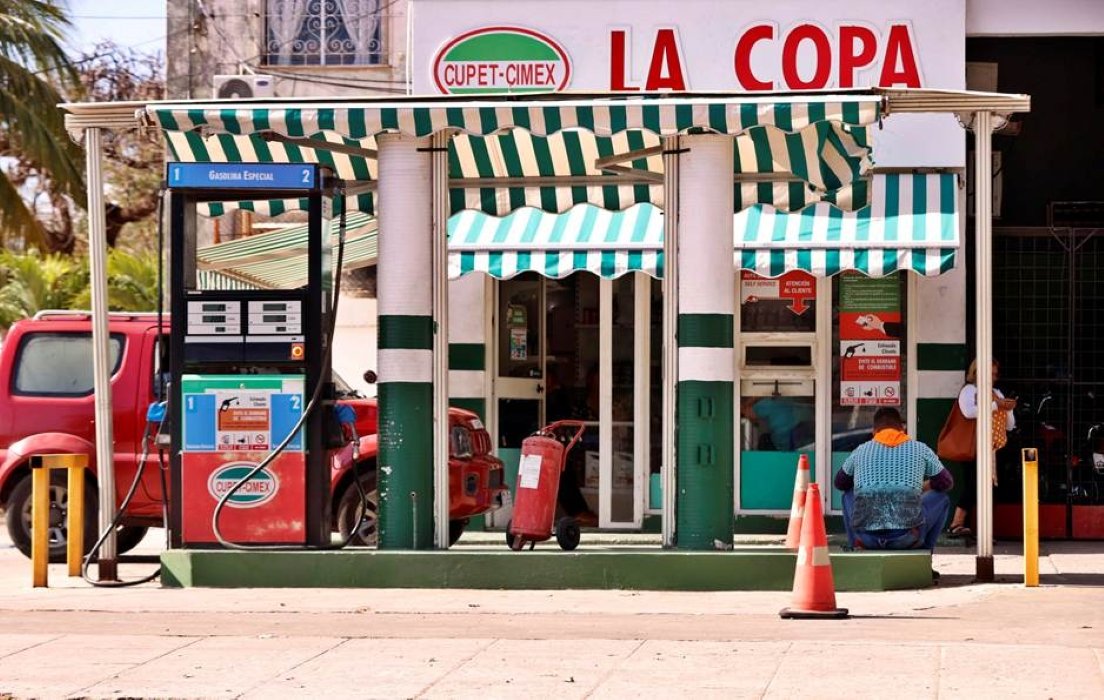
The government is deploying a contingency plan to survive without imported oil, even though domestic production covers only about a third of energy needs.
Hospitals and state transportation are restricted to essential services. Gasoline is severely rationed, and diesel sales are suspended. Agriculture prioritizes basic crops. Universities operate remotely or in hybrid mode. Many workers shift to telework or restricted schedules.
This is what an emergency looks like when it becomes routine. Not one grand shutdown, but a thousand small subtractions.
At the same time, Cuban authorities maintain a public posture of willingness to dialogue with the United States, the notes say, though only on terms of equality and without addressing internal matters. The stated alternative is resistance.
Roberto Morales Ojeda, the Communist Party’s organization secretary, wrote on social media that the country has faced countless risks and dangers throughout its history, and that this time will not be different. “Cuba Vencerá,” he wrote.
But the notes are blunt about where that rhetoric lands. Its tone barely resonates on the street, where weariness and anxiety are high: scarcity, inflation, and constant blackouts fuel discontent.
The wager here is that the state can keep tightening without losing what legitimacy remains. Yet legitimacy is not built from slogans when the refrigerator warms and the lights go out again. It is built, if it can be built at all, from a sense that tomorrow will not be worse than today.
Right now, the airport board, the exchange rate, and the blackout map are telling the same story. Cuba is not simply enduring pressure. It is being reshaped by it, day by day, in the dim light of a system running low on fuel.
Also Read:
Venezuela Rewrites Oil Rules as Washington Quietly Shifts Course